

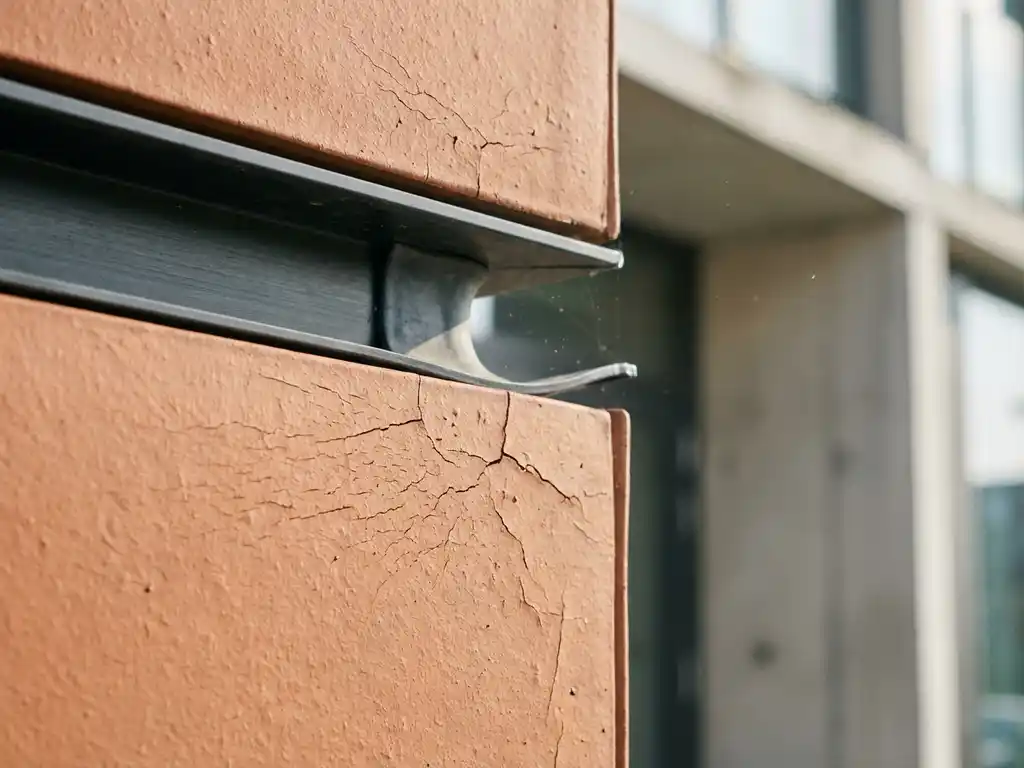
Seismic considerations for terracotta facade design focus on ensuring ceramic cladding systems can withstand earthquake forces without compromising structural integrity or safety. Proper earthquake-resistant facade design requires understanding ground motion effects, selecting appropriate connection methods, and following relevant building codes. These considerations become crucial in seismically active regions, where facade failures can pose significant risks to building occupants and surrounding areas.
What are the main seismic risks for terracotta facade systems?
Terracotta facades face several seismic risks, including connection failure, ceramic element cracking, and differential movement between the facade and structural frame during earthquake events. These risks can lead to falling debris, compromised weather protection, and potential safety hazards.
Earthquake forces create both horizontal and vertical accelerations that affect facade systems differently from static loads. Ground motion effects can cause the building structure to move independently of the facade cladding, creating stress concentrations at connection points. Ceramic materials, while durable under normal conditions, can be brittle when subjected to sudden impact or excessive flexural stress.
The attachment systems connecting terracotta elements to the building structure represent critical failure points during seismic events. Rigid connections that cannot accommodate building movement may transfer excessive loads to ceramic elements, potentially causing cracking or complete detachment. Additionally, inadequate expansion joints can restrict necessary movement, leading to compression damage or buckling of facade components.
Understanding these vulnerabilities helps architects and engineers design more resilient ceramic facade systems that maintain their protective function throughout seismic events while ensuring occupant safety.
How do building codes address seismic requirements for ceramic facades?
Building codes establish minimum seismic design requirements for ceramic facades through standards that specify connection strength, drift accommodation, and testing protocols. These regulations vary by geographic region based on local seismic hazard levels and ensure that facade systems can withstand expected earthquake forces without failure.
International building codes such as the International Building Code (IBC) and regional standards like Eurocode 8 provide specific guidance for earthquake-resistant facade design. These codes typically require facade systems to accommodate inter-storey drift, which represents the relative movement between building floors during seismic events. Compliance requirements often include demonstrating that connections can handle both in-plane and out-of-plane forces.
Regional variations reflect local seismic conditions, with high-risk earthquake zones requiring more stringent design criteria. For example, areas with frequent seismic activity may mandate dynamic testing of facade connections, while lower-risk regions might accept static load calculations. The codes also specify factors of safety and load combinations that must be considered during design.
These regulations influence design decisions by requiring engineers to select connection methods, specify materials, and detail installation procedures that meet or exceed minimum performance standards. Compliance documentation is essential for project approval and building permits.
What design principles ensure earthquake-resistant terracotta facades?
Earthquake-resistant terracotta facade design relies on flexibility, controlled movement accommodation, and load distribution strategies that allow ceramic elements to move with the building structure rather than resist seismic forces. These principles focus on preventing brittle failure modes while maintaining facade integrity.
The fundamental principle involves designing connections that can accommodate building drift without transferring excessive loads to ceramic elements. Seismic facade installation methods typically incorporate sliding connections, flexible gaskets, and properly sized expansion joints that allow controlled movement in multiple directions. This approach prevents stress concentrations that could cause ceramic cracking or connection failure.
Load distribution strategies spread seismic forces across multiple connection points rather than concentrating them at individual attachment locations. This might involve using continuous support systems or distributing loads through intermediate structural elements. Proper detailing ensures that thermal movement and seismic displacement can occur simultaneously without creating conflicting stresses.
Expansion joint planning is critical and requires careful consideration of joint spacing, sizing, and sealing methods. Joints must accommodate both thermal expansion and seismic drift while maintaining weather protection. The design should also consider the cumulative effects of movement across large facade areas.
Which installation methods provide the best seismic performance for ceramic facades?
Mechanical attachment systems with sliding connections and flexible gaskets provide superior seismic performance compared with rigid mounting methods. These systems allow controlled movement during earthquake events while maintaining structural integrity and weather protection through properly designed connection details.
The most effective mounting systems incorporate multiple movement capabilities, including vertical sliding connections that accommodate building settlement and seismic displacement. Terracotta seismic safety improves significantly when connections can move in three dimensions without binding or creating excessive friction forces. Slotted connections with oversized holes allow horizontal movement, while spring-loaded or flexible elements accommodate dynamic loading.
Continuous support systems often outperform point-fixed attachments because they distribute loads more evenly and provide redundancy if individual connections experience distress. These systems typically use horizontal rails or structural channels that support multiple ceramic elements, reducing the consequences of localised connection problems.
Proper gasket selection and joint sealing methods ensure that movement accommodation does not compromise weather protection. High-performance sealants and gaskets maintain their sealing properties even when subjected to the repeated movement cycles that occur during seismic events.
How TONALITY® helps with seismic-resistant ceramic facade solutions?
TONALITY® ceramic facade systems address seismic considerations through their innovative aluminum retaining profile system, which allows controlled movement while maintaining secure attachment. The lightweight design reduces seismic loads on building structures, while the interlocking profile system provides inherent flexibility during earthquake events.
The TONALITY® system offers several seismic advantages:
- Lightweight construction at approximately 40 kilograms per square metre reduces overall seismic mass and structural loading requirements
- Aluminum retaining profiles create flexible connections that accommodate building movement without transferring excessive forces to ceramic elements
- Interlocking design allows individual elements to move while maintaining overall system integrity
- Simplified installation reduces potential connection errors that could compromise seismic performance
- Non-combustible A1 classification ensures fire safety even after seismic events
The system’s modular nature enables straightforward replacement of individual elements if damage occurs, supporting post-earthquake building recovery. This approach provides both immediate seismic resilience and long-term maintenance advantages for building owners in earthquake-prone regions. You can explore our proven project implementations to see how these seismic-resistant solutions perform in real-world applications.
For seismic-resistant ceramic facade solutions that combine safety, performance, and architectural flexibility, contact TONALITY® to discuss your specific project requirements and seismic design criteria.