

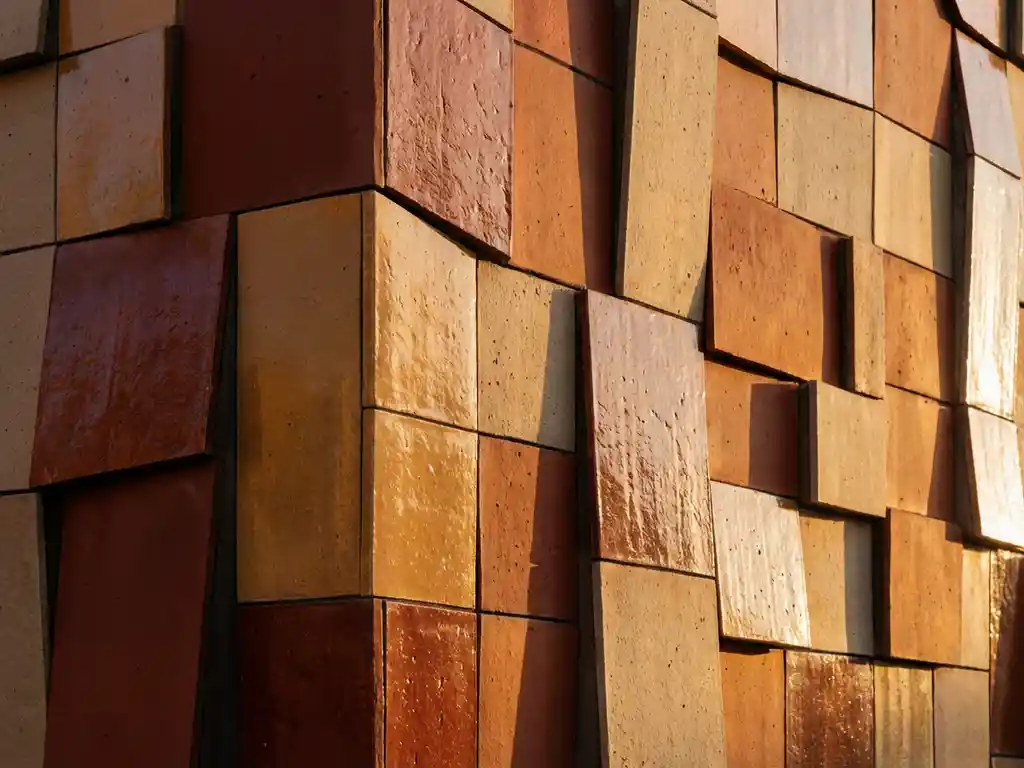
Earth tones are transforming modern facade design by offering a natural, timeless aesthetic that connects buildings to their environments. These warm, natural colours—including browns, beiges, terracottas, and ochres—create visual harmony whilst supporting sustainable architectural goals. The trend reflects growing demand for biophilic design that promotes well-being and reduces environmental impact.
What are earth tones and why are they trending in architecture?
Earth tones encompass warm, natural colours derived from soil, clay, and organic materials, including rich browns, warm beiges, terracotta reds, and golden ochres. These colours create a sophisticated palette that bridges contemporary design with natural elements.
The popularity of earth tones in modern facade design stems from their ability to create timeless visual appeal that ages gracefully. Unlike bold colours that may feel dated within a few years, earth tones provide enduring elegance that complements various architectural styles and surrounding landscapes.
Contemporary architects favour these colours because they support the growing biophilic design movement, which emphasises human connection to nature. Earth tones help buildings integrate seamlessly with their environment, whether urban or rural, creating a sense of place and belonging.
The psychological comfort these colours provide has become increasingly important in architectural planning. Earth tones evoke feelings of stability, warmth, and security—qualities that enhance the human experience of built environments.
How do earth tones enhance building sustainability and energy efficiency?
Earth-toned facades contribute to building sustainability through improved thermal performance and reduced urban heat island effects. Lighter earth tones reflect solar radiation whilst darker shades can provide strategic heat absorption where beneficial for building performance.
These colours naturally complement sustainable building materials like clay, natural stone, and recycled ceramics, supporting environmentally conscious construction practices. The alignment between colour choice and material selection creates authentic, sustainable design solutions.
Earth tones help reduce the visual impact of buildings on landscapes, supporting sustainable development principles that prioritise environmental harmony. This approach reduces the need for landscape screening and supports biodiversity by maintaining visual connections to natural settings.
The durability associated with earth-toned materials often means longer lifecycles and reduced maintenance requirements, contributing to overall building sustainability. Natural pigments used in earth tones typically offer excellent UV resistance and colour stability over time.
What psychological effects do earth tone facades have on occupants and communities?
Earth tone facades create calming, grounding effects that reduce stress and promote well-being among building occupants and surrounding communities. These colours trigger positive psychological responses associated with natural environments and safety.
The connection to biophilic design principles means earth tones help satisfy humans’ innate need for connection with nature, even in urban environments. This connection can improve mood, reduce anxiety, and enhance overall mental health for people interacting with these buildings.
Research in environmental psychology suggests that earth tones promote feelings of stability and security, making them particularly valuable for residential, healthcare, and educational buildings where emotional comfort is paramount.
Communities benefit from the visual coherence that earth tones provide, creating neighbourhood harmony without monotony. The colours help new developments integrate respectfully with existing architecture whilst maintaining individual character.
Which earth tone colours work best for different architectural styles?
Modern architectural styles benefit from clean, sophisticated earth tones like warm greys, soft beiges, and muted terracottas that complement minimalist design principles. These colours enhance geometric forms without overwhelming contemporary aesthetics.
Traditional architecture pairs beautifully with richer earth tones such as deep browns, warm ochres, and classic brick reds that echo historical building materials. These colours support authentic restoration projects whilst working well in new traditional-style construction.
Commercial buildings often benefit from neutral earth tones like taupe, mushroom, and stone grey that project professionalism whilst remaining approachable. These colours work across various business contexts, from corporate offices to retail spaces.
Residential projects can embrace the full earth tone spectrum, from warm creams for coastal homes to rich chocolates for forest settings. The key lies in selecting colours that complement the natural surroundings and architectural proportions.
How do earth tone facades maintain their appearance over time?
Earth tone facades typically maintain their appearance exceptionally well due to the inherent colour stability of natural pigments and the forgiving nature of these colours when weathering occurs. Gradual changes often enhance rather than detract from the overall aesthetic.
The durability of earth-toned facade materials depends largely on the underlying material quality and manufacturing processes. High-fired ceramic materials with earth tone glazes offer superior weather resistance and colour retention compared to painted or surface-treated alternatives.
Maintenance requirements for earth tone facades are generally minimal, as these colours hide minor weathering, dust accumulation, and small imperfections that might be obvious on lighter or brighter colours. This practical advantage reduces long-term maintenance concerns.
UV resistance varies among earth tone pigments, with iron oxide-based colours (reds, browns, yellows) typically offering excellent fade resistance. Quality facade systems incorporate UV-stable pigments that maintain colour integrity for decades without significant degradation.
How TONALITY® helps with earth tone facade design
TONALITY® ceramic facade systems offer an extensive range of earth tone colours that maintain their beauty and performance for decades. Our ceramic elements are produced using high-temperature sinter firing processes that create permanent, fade-resistant colours integrated throughout the material.
Key advantages of TONALITY® earth tone facades include:
- Permanent colour stability through ceramic integration, not surface coatings
- A1 fire resistance classification for enhanced building safety
- Low surface weight (40 kg/m²) enabling efficient installation and reduced structural requirements
- 100% recyclable materials supporting sustainable construction goals
- Maintenance-free performance with integrated graffiti protection
- Precise manufacturing tolerance within one millimetre for perfect installation
Our earth tone palette includes sophisticated browns, warm beiges, rich terracottas, and subtle ochres that complement any architectural vision. The interlocking profile system ensures quick, reliable installation whilst providing long-term durability.
Contact TONALITY® today to explore how our earth tone ceramic facade solutions can enhance your next project with enduring beauty, sustainability, and performance.