

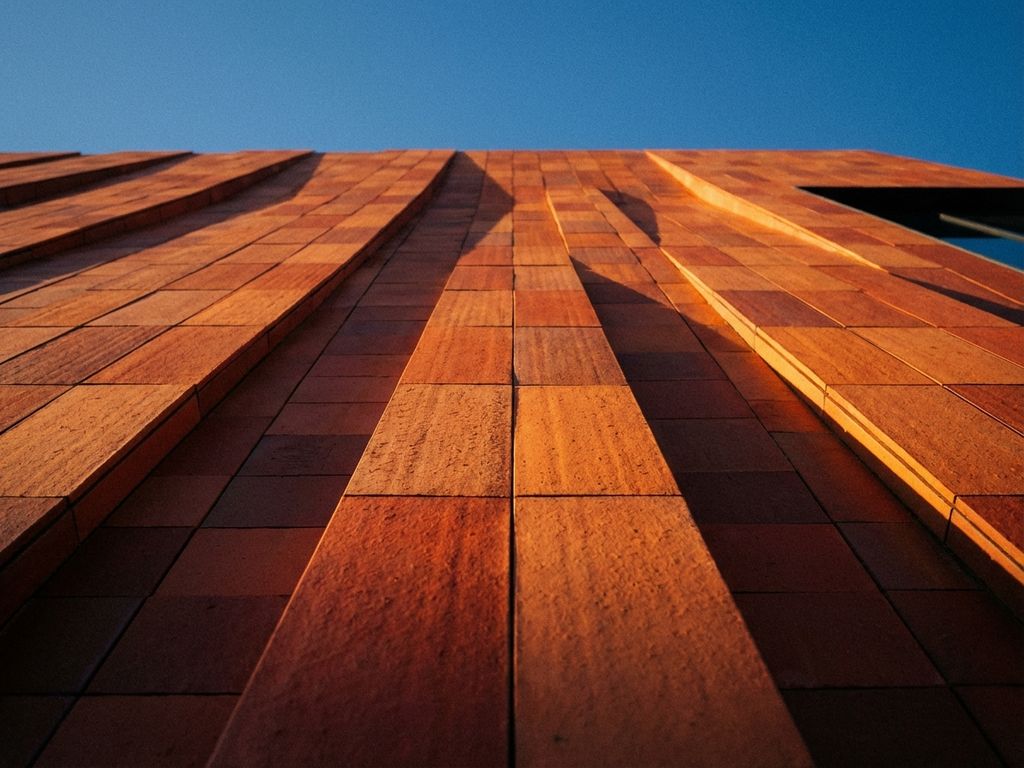
Terracotta cladding benefits virtually all building types, from residential homes to commercial high-rises and historic renovations. Its lightweight properties, fire resistance, and design versatility make it particularly suitable for timber construction, tall buildings, and heritage projects. The material’s durability and low maintenance requirements provide long-term value across diverse architectural applications.
What types of buildings are best suited for terracotta cladding?
Terracotta cladding performs exceptionally well across residential, commercial, institutional, and industrial building types. Its versatility stems from the material’s ability to complement various architectural styles while providing consistent performance benefits regardless of building scale or purpose.
Residential buildings benefit from terracotta’s aesthetic flexibility and weather resistance. Single-family homes, apartment complexes, and housing developments can achieve distinctive appearances through the wide range of colours, textures, and formats available. The material works particularly well with contemporary, traditional, and mixed architectural styles.
Commercial and office buildings use terracotta cladding for its professional appearance and low maintenance requirements. Shopping centres, hotels, and corporate headquarters value the material’s ability to maintain consistent colour and finish over decades without requiring regular cleaning or treatment.
Institutional buildings such as schools, hospitals, and government facilities choose terracotta for its durability and safety properties. The material’s fire resistance and non-toxic composition make it ideal for buildings with high occupancy or stringent safety requirements.
Why do high-rise buildings choose terracotta over other cladding materials?
High-rise buildings favour terracotta cladding primarily due to its lightweight properties and structural advantages. At approximately 40 kilograms per square metre, terracotta facades significantly reduce structural loads compared with traditional masonry or stone cladding systems.
The fire resistance properties of terracotta make it particularly valuable for tall buildings. Classified as building material class A1, terracotta is completely non-combustible and contains no flammable components. This classification helps meet the stringent fire safety regulations required for high-rise construction.
Installation efficiency becomes crucial at height, and terracotta’s interlocking system with vertical aluminium profiles simplifies the mounting process. The precise manufacturing tolerances ensure a consistent fit and appearance across large facade areas, reducing installation time and labour costs.
Maintenance accessibility challenges in tall buildings make terracotta’s permanent colour stability and UV resistance particularly advantageous. The material requires minimal upkeep over its lifespan, reducing the need for expensive high-access maintenance work.
How does terracotta cladding perform on timber frame construction?
Terracotta cladding complements timber frame construction exceptionally well, addressing key challenges while enhancing overall building performance. The lightweight nature of terracotta reduces structural requirements for timber frames, allowing for more efficient and economical construction methods.
The fire protection benefits are particularly valuable in timber construction. Terracotta’s A1 fire classification provides an additional protective layer for the underlying wood structure, improving the overall fire safety rating of the building. This can be crucial for meeting building regulations and insurance requirements.
Weight considerations become critical in timber construction, where excessive cladding loads can compromise structural integrity. Terracotta’s low surface weight allows timber frames to support the facade without requiring additional structural reinforcement, maintaining the efficiency benefits of wood construction.
The installation method works well with timber construction timelines. The simple mount-and-done system aligns with the speed advantages of timber frame building, allowing facade installation to proceed efficiently without complex fixing systems or extensive structural modifications.
What makes terracotta cladding ideal for historic building renovations?
Terracotta cladding offers unique advantages for historic building renovations by preserving architectural character while providing modern performance benefits. The material can replicate traditional aesthetics through custom colours, textures, and profiles that complement heritage building styles.
The lightweight properties become particularly important in historic renovations where existing structures may have limited load-bearing capacity. Terracotta allows building owners to achieve modern facade performance without compromising the structural integrity of older buildings.
Heritage compatibility extends beyond weight considerations to include visual harmony. Terracotta can be manufactured to match historical colour palettes and surface textures, ensuring new cladding integrates seamlessly with existing architectural elements.
Precise manufacturing capabilities enable custom solutions for the irregular building geometries common in historic structures. Elements can be produced to exact specifications, accommodating unique architectural features while maintaining weatherproofing and thermal performance standards.
The reversible installation method aligns with heritage conservation principles. Should future renovations require cladding removal, terracotta systems can be deconstructed without damaging the underlying historic structure, preserving the building’s integrity for future generations.
How TONALITY® ceramic facades enhance building performance across all construction types
TONALITY® ceramic facade systems provide comprehensive solutions for diverse building types through advanced manufacturing processes and innovative installation methods. The single-layer production method creates consistently high-quality surfaces with superior durability and performance characteristics.
Key performance benefits include:
- Lightweight construction at 40 kg per square metre reduces structural requirements across all building types
- A1 fire classification ensures maximum safety for residential, commercial, and institutional applications
- Precise manufacturing tolerances within one millimetre enable a perfect fit and professional appearance
- Integrated graffiti protection and permanent UV resistance minimise ongoing maintenance requirements
- 100% recyclable materials support sustainable construction goals
- A simple interlocking installation system reduces construction time and labour costs
The sinter firing process at temperatures exceeding 1,200 degrees Celsius creates unrivalled surface density and smoothness. This manufacturing approach ensures consistent quality and long-term performance regardless of building type or environmental conditions.
Whether you are planning a new construction project, high-rise development, timber frame building, or historic renovation, TONALITY® ceramic facades can enhance your building’s performance and aesthetic appeal. You can explore our successful project implementations to see how our ceramic cladding solutions work across different building types. Contact our technical team to discuss how our ceramic cladding solutions can meet your specific project requirements and architectural vision.
Related Articles
- Why are earth tones dominating modern facade design?
- How does terracotta facade weight compare to natural stone cladding?
- What are the thermal performance advantages of terracotta systems?
- What materials are used in terracotta facade systems?
- Terracotta vs Brick Slips: When to Choose Each
Articles connexes
- Why do hospitals and healthcare facilities increasingly specify terracotta facades?
- What drainage and moisture management details are critical for terracotta rainscreens?
- 5 Things to Look for When Evaluating Terracotta Samples
- 6 Common Terracotta Specification Mistakes (And How to Avoid Them)
- How does terracotta contribute to BREEAM certification?