

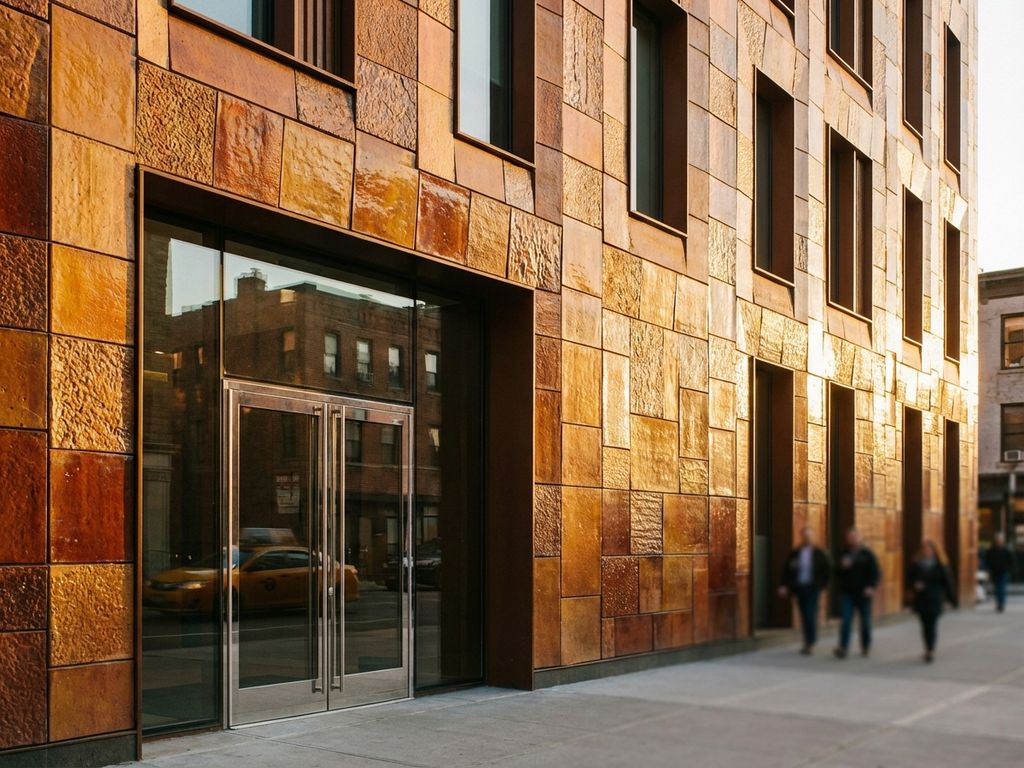
Terracotta facade systems represent a significant investment that delivers exceptional long-term value through durability, low maintenance requirements, and energy efficiency benefits. These ceramic building materials offer superior fire resistance, aesthetic longevity, and environmental sustainability that justify higher initial costs. The investment proves worthwhile when high-quality materials are properly installed and maintained.
What exactly are terracotta facade systems and how do they work?
Terracotta facade systems are ceramic cladding solutions made from fired clay that provide both protective and aesthetic functions for building exteriors. These systems consist of ceramic panels manufactured through high-temperature firing processes exceeding 1,200 degrees Celsius, creating dense, low-porosity surfaces with exceptional durability.
The manufacturing process begins with high-quality clay deposits that are shaped into precise panels and subjected to controlled firing. This sintering process minimises porosity and creates surfaces that resist water penetration, UV degradation, and thermal stress. The ceramic material achieves building material class A1 classification, meaning it contains no combustible components.
Installation typically involves mounting ceramic elements to vertical aluminium profiles using interlocking systems. The panels feature profiled backs that connect securely to the structural framework while allowing for thermal movement. This approach creates ventilated facades that improve building performance through enhanced insulation and moisture management.
Technical specifications distinguish terracotta from other materials through low surface weight (approximately 40 kilograms per square metre), precise manufacturing tolerances within one millimetre, and format flexibility ranging from small tiles to large panels measuring up to 400 x 1,600 millimetres. For detailed information about available terracotta facade surfaces and formats, various options can accommodate diverse architectural requirements.
How much do terracotta facade systems actually cost compared to alternatives?
Terracotta facades require a higher initial investment than traditional materials but deliver superior lifecycle value through reduced maintenance and replacement costs. The total investment depends on panel size, surface complexity, installation requirements, and project scale rather than a simple material comparison.
Initial investment considerations include material costs, structural requirements, and installation complexity. Lightweight ceramic systems reduce substructure requirements compared to stone or heavy masonry, offsetting some material cost differences. The precision manufacturing allows for efficient installation, reducing labour time and associated costs.
Comparing terracotta to alternatives reveals important differences in long-term value. Traditional brick requires regular repointing and maintenance, while metal systems may need refinishing or replacement due to corrosion. Stone facades demand periodic cleaning and sealing to maintain appearance and performance.
Factors affecting investment levels include project size, panel formats, surface treatments, and installation complexity. Larger projects benefit from economies of scale, while complex geometries or custom colours increase investment requirements. The simplified installation process of modern ceramic systems reduces overall project timelines and associated costs.
What are the long-term benefits that justify terracotta facade investments?
Terracotta facades deliver exceptional long-term value through minimal maintenance requirements, permanent colour stability, and superior durability that can exceed 50 years of service life. These benefits create substantial cost savings over the building’s lifecycle while maintaining aesthetic appeal and performance.
Durability advantages stem from the ceramic material’s resistance to weathering, UV radiation, and thermal cycling. The fired clay structure remains stable across temperature variations, preventing cracking or deterioration common in other materials. Integrated graffiti protection minimises cleaning costs while maintaining the building’s appearance.
Maintenance cost savings represent significant long-term value. Unlike painted surfaces requiring regular refinishing or metal systems needing corrosion treatment, ceramic facades maintain their appearance without intervention. The smooth, dense surfaces resist dirt accumulation and can be cleaned easily with standard building maintenance procedures.
Energy efficiency benefits include improved thermal performance through ventilated facade design and reduced cooling loads from heat reflection. The ceramic material’s thermal mass contributes to building energy performance, while the lightweight design allows for enhanced insulation systems.
Environmental sustainability provides additional value through 100% recyclability and component reusability. The ceramic elements can be deconstructed and sorted for complete material recovery, supporting circular economy principles and reducing disposal costs at the building’s end of life.
Why do some terracotta facade projects fail to deliver expected returns?
Terracotta facade projects underperform when poor planning, inadequate installation, or inappropriate material selection compromises the system’s inherent advantages. Common failures include insufficient structural design, improper installation techniques, and selecting unsuitable products for specific applications.
Planning mistakes often involve inadequate structural analysis for the facade system’s loads and movements. While ceramic facades are lightweight, proper support and attachment design remain critical for long-term performance. Insufficient thermal movement accommodation can cause system stress and premature failure.
Installation quality variations significantly impact system performance and longevity. Inexperienced installers may compromise weatherproofing, create thermal bridges, or inadequately secure panels. These issues can lead to water penetration, reduced energy performance, and potential safety concerns.
Quality variations between manufacturers affect material performance and project outcomes. Lower-quality ceramic products may lack proper firing, dimensional accuracy, or surface durability. These deficiencies become apparent over time through colour fading, surface deterioration, or dimensional instability.
Inappropriate application scenarios include using ceramic facades in unsuitable environments or for unsuitable building types. While ceramic materials offer excellent performance, specific project requirements may favour alternative solutions. Proper material selection based on building requirements ensures optimal performance and value.
How TONALITY® ceramic facades maximise your building investment
TONALITY® ceramic facade systems deliver exceptional investment value through German engineering quality, simplified installation processes, and comprehensive performance advantages. These systems combine lightweight design benefits with superior fire safety classification and long-term durability that ensures maximum return on investment.
Key advantages that maximise building investment include:
- Simplified installation system with interlocking profiles that reduce labour time and costs
- Lightweight design requiring minimal substructure, particularly beneficial for timber construction
- A1 fire safety classification providing non-combustible protection without additional treatments
- Precise manufacturing tolerances ensuring consistent appearance and performance
- Comprehensive technical support throughout project planning and installation phases
- Proven durability with minimal maintenance requirements over decades of service
The German engineering approach ensures consistent quality and performance that protects your investment over the building’s entire lifecycle. TONALITY® systems combine traditional ceramic manufacturing expertise with modern installation technology for optimal results. Our successful project references demonstrate proven performance across diverse architectural applications.
Ready to explore how TONALITY® ceramic facades can maximise your building investment? Contact our technical team for project-specific guidance and comprehensive system information tailored to your requirements.
Related Articles
- How do you prevent thermal bridging in ventilated terracotta facades?
- How to Evaluate and Shortlist Terracotta Manufacturers for Your Project
- How durable are terracotta cladding systems?
- How does terracotta facade weight compare to natural stone cladding?
- How to Design Terracotta Cladding for High Seismic Risk Zones
Articles connexes
- How do you identify truly sustainable building products?
- 8 Key Differences Between Terracotta and Natural Stone Facade Systems
- How do you prevent thermal bridging in ventilated terracotta facades?
- 10 Green Building Certifications and How Terracotta Helps Achieve Them
- What technical specifications matter for terracotta facades?