

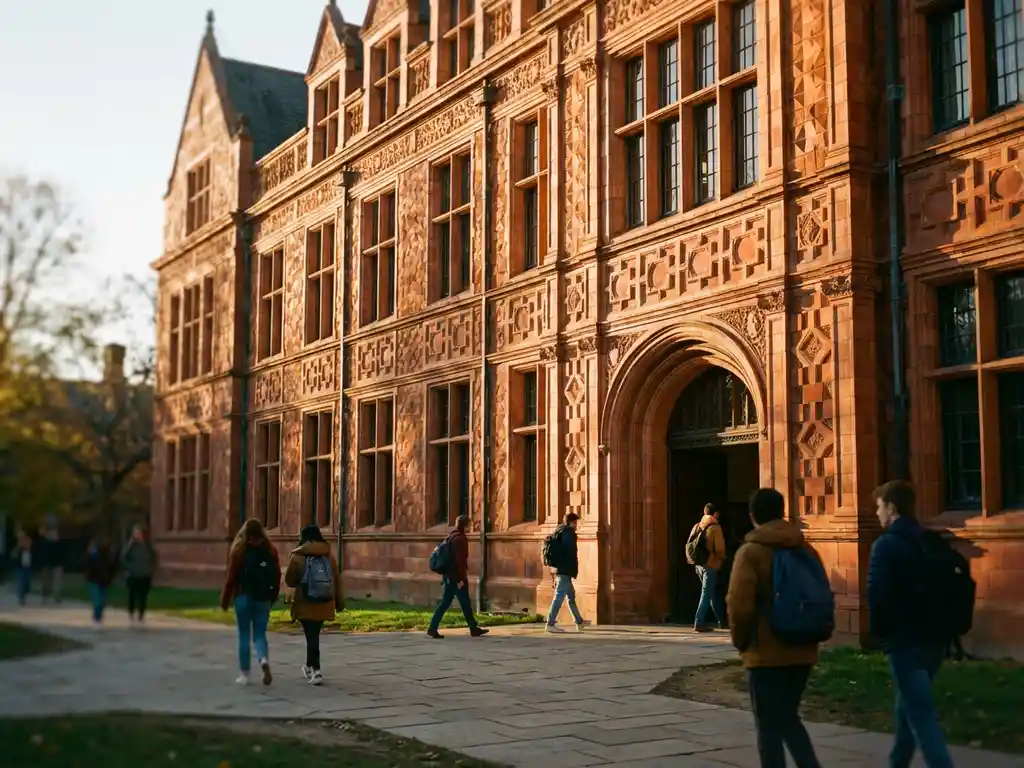
Universities worldwide are increasingly recognising the transformative power of terracotta facades in their architectural projects. These educational institutions, known for their forward-thinking approaches and long-term planning, are discovering that ceramic cladding offers the perfect blend of durability, sustainability and design flexibility. From prestigious Ivy League campuses to cutting-edge technical universities, ceramic facades are becoming the material of choice for educational buildings that need to stand the test of time whilst making a bold architectural statement.
The shift towards ceramic facade solutions represents more than just an aesthetic choice—it reflects universities’ commitment to sustainable building practices, reduced maintenance costs and the creation of inspiring learning environments that will serve students for generations to come.
1. MIT’s revolutionary ceramic facade integration
The Massachusetts Institute of Technology has embraced ceramic facade systems in several recent campus developments, demonstrating its commitment to innovation in building materials. The institute’s choice reflects its dedication to sustainability goals and a forward-thinking architectural vision that aligns with its reputation as a global leader in technology and research.
MIT’s implementation of ceramic cladding showcases how architectural ceramics can support both aesthetic ambitions and practical requirements. The material’s exceptional durability and low maintenance needs align perfectly with the university’s long-term planning approach, ensuring that buildings remain visually striking and structurally sound for decades.
The integration process highlighted the ability of ceramic facades to support complex geometric designs whilst maintaining structural integrity—a crucial factor for MIT’s innovative architectural projects that often push conventional design boundaries.
2. Stanford University’s sustainable design approach
Stanford University has made ceramic facades a cornerstone of its sustainable building practices, incorporating these materials into multiple campus projects as part of its comprehensive environmental strategy. The university’s commitment to reducing its carbon footprint has led it to recognise the lifecycle benefits of terracotta cladding systems.
The facade systems chosen by Stanford support its energy-efficiency targets through superior thermal performance and weather resistance. These characteristics contribute significantly to reduced heating and cooling costs whilst maintaining optimal indoor environmental conditions for learning and research activities.
Stanford’s master-planning initiatives have consistently featured ceramic materials because of their design flexibility, allowing architects to create cohesive campus aesthetics whilst accommodating diverse functional requirements across different building types.
3. University of Cambridge’s heritage–modern blend
The University of Cambridge has successfully demonstrated how terracotta facades can complement historical architecture whilst introducing modern functionality. Its approach shows that ceramic cladding can respect traditional building styles whilst providing contemporary performance standards.
Cambridge’s integration strategy focuses on colour matching and texture coordination, ensuring that new ceramic facades harmonise with existing stone and brick structures. This careful attention to visual continuity has allowed the university to expand and modernise without compromising its architectural heritage.
The university’s experience proves that ceramic materials offer the versatility needed for prestigious educational settings, providing architects with the tools to create respectful transitions between historical and contemporary building elements.
4. Technical University of Munich’s innovation focus
The Technical University of Munich (TUM) has selected advanced ceramic facade systems that reflect its engineering excellence and technological innovation. Its material choices consistently support its reputation as a leading technical institution whilst providing practical solutions for complex building challenges.
TUM’s approach to facade solutions emphasises the technical performance characteristics of ceramic materials, including their resistance to environmental stresses, dimensional stability and long-term colour retention. These properties align with the university’s rigorous engineering standards and commitment to evidence-based design decisions.
The university’s projects showcase how ceramic cladding can accommodate sophisticated building-systems integration, supporting everything from advanced ventilation requirements to cutting-edge research facility specifications.
5. University of Edinburgh’s climate-responsive design
The University of Edinburgh has chosen terracotta facades specifically for their exceptional weather resistance and thermal performance in Scotland’s challenging climate. Its selection process prioritised materials that could withstand frequent temperature fluctuations, high humidity and driving rain whilst maintaining structural and aesthetic integrity.
Edinburgh’s implementation demonstrates how ceramic cladding systems excel in harsh weather conditions, providing reliable building-envelope performance that reduces maintenance requirements and extends building lifecycles. This practical approach reflects the university’s commitment to responsible resource management and operational efficiency.
The university’s experience highlights the ability of ceramic facades to maintain their appearance and performance characteristics despite exposure to aggressive environmental conditions, making them ideal for educational buildings that require consistent, long-term reliability.
How TONALITY® ceramic facades serve educational institutions
TONALITY® provides comprehensive ceramic facade solutions specifically designed to meet the unique requirements of universities and educational buildings. Our systems address the critical factors that drive institutional decision-making, from lifecycle performance to design flexibility.
Key benefits for educational institutions include:
- Exceptional durability that supports long-term capital planning and reduces replacement costs
- Low maintenance requirements that minimise operational disruptions and ongoing expenses
- Design versatility that accommodates diverse architectural visions and campus-integration needs
- Sustainable performance that supports environmental goals and green-building certifications
- Weather resistance that ensures consistent performance across varied climate conditions
Our technical team works closely with university architects and planners to develop customised facade systems that balance aesthetic ambitions with practical requirements. Ready to explore how TONALITY® ceramic facades can enhance your educational building project? Contact our specialists today to discuss your specific requirements and discover the possibilities for your campus development.
Related Articles
- Why do hospitals and healthcare buildings choose terracotta facades?
- What permits are required for facade renovation in 2026?
- 7 Cultural Institutions with Iconic Terracotta Facades
- 5 Historic Buildings Successfully Restored with New Terracotta
- What is the difference between terracotta and ceramic facades?