

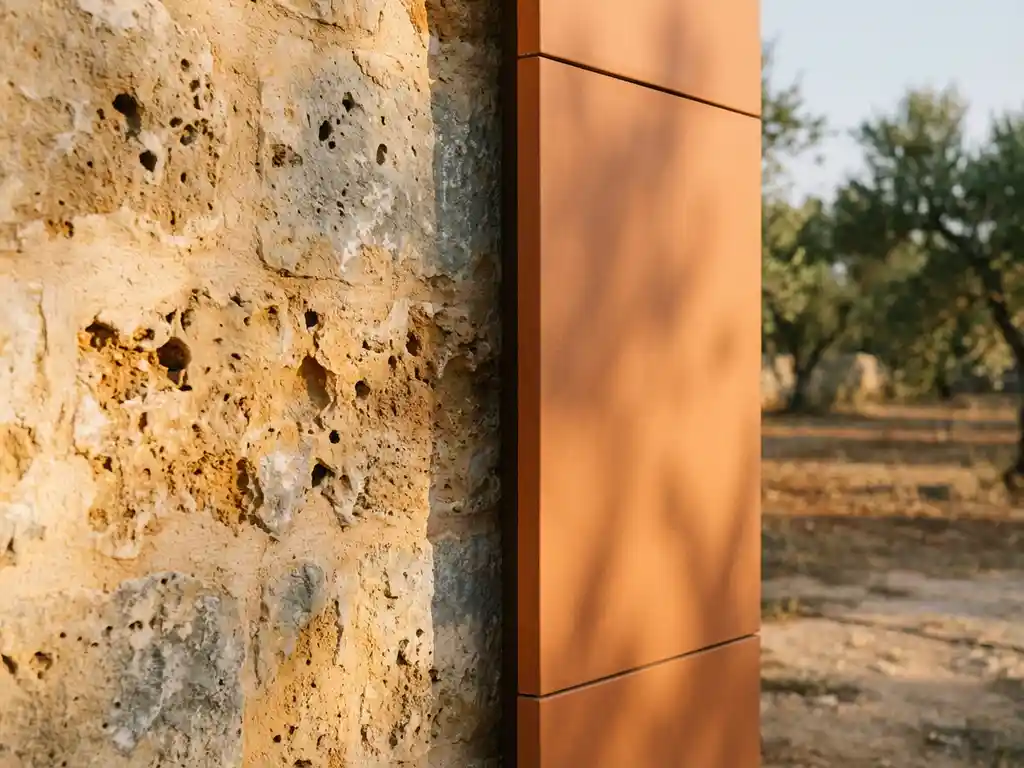
Choosing the right facade material can make or break a building project. Terracotta facades and natural stone facades represent two of the most enduring options in architecture, each offering distinct advantages that have shaped cityscapes for centuries. Yet understanding their fundamental differences remains crucial for architects, builders, and property developers making informed decisions about facade materials.
Modern ceramic facade systems have evolved to bridge many gaps between traditional materials, but the classic debate of terracotta vs stone continues to influence building design worldwide. Whether you’re planning a heritage restoration or a contemporary commercial development, understanding these eight key differences will help you select the most suitable facade solution for your project’s specific requirements.
1. Manufacturing process and material composition
Terracotta facades begin life as clay, shaped and fired at temperatures exceeding 1000°C to create a ceramic material with consistent properties. This controlled manufacturing process allows for precise colour matching, uniform density, and predictable performance characteristics across entire building facades. The clay composition can be adjusted during production to enhance specific properties such as frost resistance or thermal performance.
Natural stone facades, conversely, are extracted directly from quarries and processed through cutting, polishing, and finishing techniques. Each piece carries unique geological characteristics formed over millions of years, resulting in natural variations in colour, texture, and structural properties. This extraction process means that no two stone facades will ever be identical, offering authenticity that manufactured materials cannot replicate.
This fundamental difference in origin affects everything from installation planning to long-term maintenance requirements, making it a crucial consideration in facade material selection.
2. Durability and weather resistance performance
Ceramic facades demonstrate exceptional resistance to weathering, maintaining their appearance and structural integrity for decades without significant deterioration. The high-temperature firing process creates a dense, low-porosity surface that resists water absorption, preventing freeze-thaw damage and reducing maintenance requirements. UV stability ensures colours remain vibrant throughout the building’s lifespan.
Natural stone facades offer varying durability depending on the specific stone type and geological composition. Granite and certain limestones provide excellent weather resistance, while softer stones may require more frequent maintenance. Stone facades can develop a patina over time, which many architects consider aesthetically desirable, though this natural ageing process requires careful consideration in design planning.
Both materials excel in different environmental conditions, making climate-specific selection essential for optimal facade durability and long-term building performance.
3. Installation complexity and structural requirements
Terracotta facade systems typically utilise lightweight mounting solutions that reduce structural loading on buildings. Modern ceramic facade systems often incorporate mechanical fixing systems that allow for thermal movement while maintaining weatherproof performance. Installation can proceed efficiently with standard construction equipment and techniques.
Natural stone facades generally require more substantial structural support due to their weight, particularly for thicker stone panels or traditional masonry construction. Specialised lifting equipment and experienced stonemasons may be necessary for proper installation. The structural implications of stone facades must be considered from the earliest design stages to ensure adequate building frame capacity.
Installation complexity affects both project timelines and labour requirements, making this a crucial factor in facade material comparison for commercial and residential projects.
4. Maintenance demands and lifecycle costs
Ceramic facades require minimal ongoing maintenance beyond periodic cleaning to maintain their appearance. The low-porosity surface resists staining and biological growth, reducing cleaning frequency and associated costs. When repairs are necessary, individual panels can often be replaced without affecting surrounding facade elements.
Natural stone facades may require periodic sealing, cleaning, and restoration depending on the stone type and environmental exposure. Some stones develop an attractive patina over time, while others may need professional cleaning to maintain their intended appearance. The total cost of ownership for stone facades includes these ongoing maintenance considerations alongside initial installation costs.
Understanding maintenance requirements helps building owners budget appropriately for facade lifecycle costs and plan maintenance schedules that preserve building appearance and performance.
5. Design flexibility and aesthetic possibilities
Modern ceramic facade systems offer extensive customisation options, including virtually unlimited colour choices, surface textures, and panel sizes. Digital printing technologies enable complex patterns and even photographic images to be incorporated into facade designs. This flexibility allows architects to achieve specific aesthetic visions while maintaining consistent quality across large facade areas.
Natural stone provides timeless beauty with unique geological patterns that cannot be replicated artificially. The natural variation in stone creates visual interest and authentic character that many architects value highly. However, colour and pattern options are limited to what nature provides, and matching stones from different quarry sections can present challenges in large projects.
Both materials offer distinct aesthetic advantages, making the choice dependent on specific design objectives and the architectural vision for each project. For those interested in exploring the full range of surface textures and formats available in modern ceramic systems, numerous options exist to achieve diverse architectural expressions.
6. What are the thermal performance differences?
Ceramic facades can be engineered with specific thermal properties to enhance building energy performance. Ventilated facade systems create thermal breaks that improve insulation effectiveness, while the material’s thermal mass helps moderate interior temperature fluctuations. Light-coloured ceramic surfaces reflect solar heat, reducing cooling loads in warm climates.
Natural stone facades provide excellent thermal mass, absorbing heat during the day and releasing it gradually as temperatures cool. This thermal flywheel effect can contribute to energy efficiency, particularly in climates with significant day–night temperature variations. However, stone’s thermal conductivity may require additional insulation measures to meet modern energy performance standards.
Understanding thermal performance helps architects integrate facade materials effectively into building energy strategies and achieve sustainability objectives.
7. Environmental impact and sustainability factors
Ceramic facade production involves controlled manufacturing processes that can incorporate recycled materials and optimise energy consumption. Modern ceramic facade systems often achieve environmental certifications and contribute to green building ratings. The longevity and recyclability of ceramic materials support sustainable construction practices.
Natural stone represents a natural resource with relatively low processing requirements, though quarrying and transportation create environmental impacts. Stone facades can last for centuries with proper maintenance, providing exceptional longevity that supports sustainable building practices. Local stone sourcing reduces transportation impacts while supporting regional economies.
Both materials offer sustainability advantages when selected appropriately for specific projects and environmental contexts, making lifecycle assessment crucial for responsible material selection.
8. Cost analysis and budget considerations
Building facade comparison must consider total project costs rather than material costs alone. Ceramic facades often provide cost advantages through efficient installation, reduced structural requirements, and minimal maintenance needs over the building’s lifespan. The predictable performance characteristics of ceramic materials support accurate cost forecasting for long-term building ownership.
Natural stone facades involve variable costs depending on stone type, availability, and project complexity. While premium stones command higher initial investment, their longevity and timeless appeal can provide excellent value over decades of use. The lifecycle value proposition of stone facades includes both financial and aesthetic considerations that extend beyond initial construction costs.
Comprehensive cost analysis should encompass installation, maintenance, and replacement considerations to determine the most economical facade solution for each project’s specific requirements and budget constraints.
How TONALITY® ceramic facades combine the best of both worlds
TONALITY® ceramic facade systems address the key considerations discussed throughout this comparison, offering innovative solutions that maximise the advantages of modern ceramic technology while meeting demanding architectural requirements. Our systems deliver exceptional performance across multiple criteria, as demonstrated in various successful project implementations:
- A1 fire classification provides superior safety performance for commercial and residential buildings
- Lightweight design reduces structural loading while maintaining excellent durability and weather resistance
- Graffiti protection and easy-cleaning properties minimise maintenance requirements and lifecycle costs
- Sustainable manufacturing processes support environmental objectives and green building certifications
- Design flexibility enables custom colours, textures, and formats to achieve specific architectural visions
Ready to explore how TONALITY® ceramic facades can enhance your next project? Contact our technical team for personalised consultation and discover the perfect facade solution for your specific requirements.
Related Articles
- What technical specifications matter for terracotta facades?
- How do mechanical fixing systems compare to adhesive systems for terracotta?
- What is embodied carbon and how does terracotta compare to metal facades?
- Can terracotta facades be recycled at end of life?
- Where should movement joints be placed in terracotta cladding?