

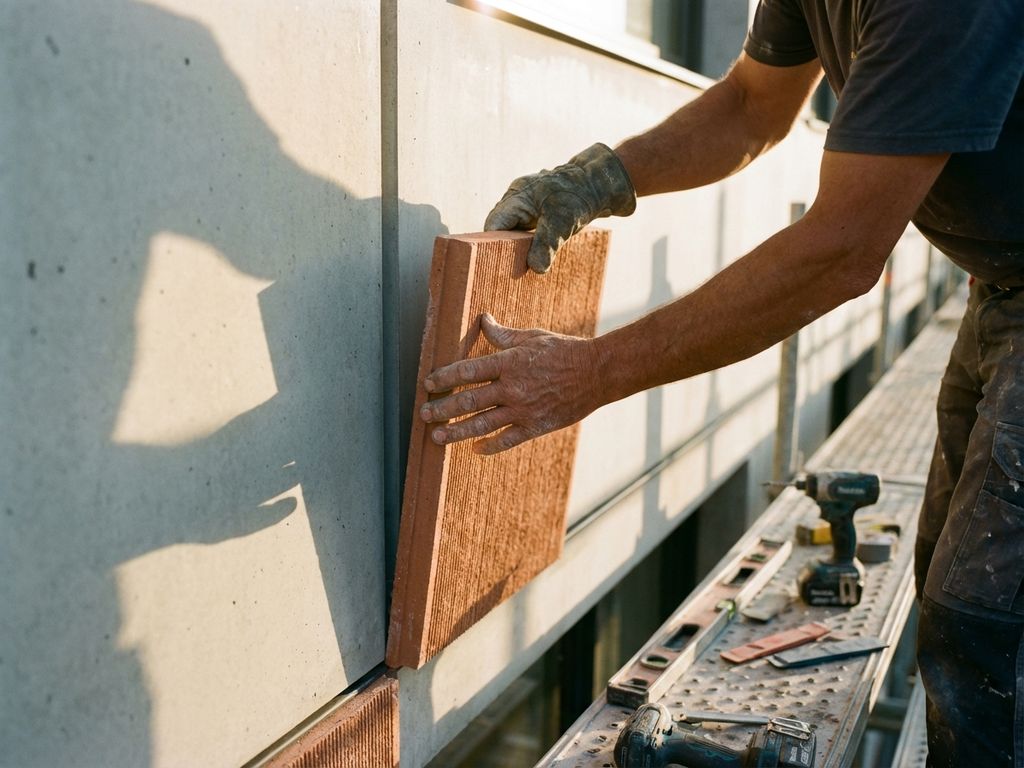
BAS terracotta installation methods use mechanical attachment systems with interlocking ceramic elements and aluminium retaining profiles. The Building Attachment System allows ceramic facade tiles to be mounted directly onto vertical profiles, creating secure facades with minimal structural requirements. This installation approach offers faster mounting, reduced weight loads, and simplified construction processes compared with traditional ceramic facade methods.
What is BAS terracotta and how does it differ from traditional ceramic facades?
BAS terracotta refers to Building Attachment System terracotta, a specialized ceramic facade material designed with a profiled backing that interlocks directly with mounting systems. Unlike traditional ceramic facades that require adhesive bonding or complex anchoring methods, BAS terracotta features engineered profiles on the reverse side that mechanically connect to vertical aluminium retaining systems.
The manufacturing process involves firing ceramic elements at temperatures exceeding 1,200 degrees Celsius, creating dense, non-porous surfaces with integrated attachment profiles. This sinter-firing process produces ceramic elements classified as building material class A1, meaning they are completely non-combustible and contain no flammable components.
Key differences from conventional ceramic facades include significantly reduced weight, with surface loads of approximately 40 kilograms per square metre compared with heavier traditional systems. BAS terracotta also eliminates the need for adhesives or mortar beds, reducing installation complexity and potential failure points. The mechanical attachment system allows for easier maintenance, replacement of individual elements, and complete recyclability at the end of life.
How do BAS terracotta mounting systems actually work?
BAS terracotta mounting systems operate through mechanical interlocking between profiled ceramic elements and vertical aluminium retaining profiles fixed to the building structure. The ceramic tiles feature precisely engineered grooves or channels on their back surfaces that slide onto and lock with the aluminium mounting rails.
The installation process begins with fixing vertical aluminium profiles to the building substrate at predetermined spacing intervals. These profiles are designed with specific dimensions and tolerances to match the ceramic element profiles. The ceramic tiles then slide vertically or horizontally onto these rails, depending on the system design, creating a secure mechanical connection.
The interlocking mechanism distributes loads evenly across the mounting system while allowing for thermal expansion and building movement. Horizontal joints between ceramic elements are typically designed with appropriate spacing to accommodate thermal cycling, while the mechanical connection maintains structural integrity. This system eliminates point loading common in traditional anchored systems and provides consistent support across the entire facade surface.
What are the essential steps in BAS terracotta installation?
BAS terracotta installation follows a systematic process beginning with substrate preparation and structural assessment. The building structure must be evaluated for load-bearing capacity, though BAS systems require significantly less structural support than traditional ceramic facades due to their lightweight design.
Essential installation steps include:
- Measuring and marking mounting point locations according to ceramic element dimensions
- Installing vertical aluminium retaining profiles with precise alignment and spacing
- Checking profile alignment using laser levels or string lines for accuracy
- Beginning ceramic element installation from a predetermined starting point, typically the bottom corner
- Sliding each ceramic element onto the retaining profiles until fully engaged
- Verifying proper seating and alignment of each element before proceeding
- Installing any required weather sealing or joint treatment systems
Quality control checkpoints occur throughout installation, including verification of profile spacing, element alignment, and mechanical engagement. Weather considerations include avoiding installation during high winds or precipitation that could affect handling safety or joint-sealing operations.
Why do professionals choose BAS terracotta over other facade materials?
Professionals select BAS terracotta for its structural efficiency and installation advantages that reduce both construction time and long-term maintenance requirements. The lightweight design allows for reduced substructure requirements, making it particularly suitable for timber construction and building retrofits where load capacity is limited.
Key professional advantages include faster installation times due to the mechanical mounting system, which eliminates curing times associated with adhesive systems. The dry installation method allows work to continue in various weather conditions and provides immediate structural integrity upon completion.
Fire-resistance properties make BAS terracotta attractive for projects with strict safety requirements, as the A1 classification provides non-combustible performance without additional fire protection measures. The ceramic material offers permanent colour stability and UV resistance, eliminating the need for periodic refinishing or protective coatings.
Long-term performance characteristics include resistance to freeze-thaw cycling, chemical attack, and mechanical damage. The ability to replace individual elements without affecting surrounding areas provides maintenance flexibility not available with monolithic facade systems, as demonstrated in many successful project implementations.
What common installation challenges should you expect with BAS terracotta?
Common installation challenges with BAS terracotta include alignment precision requirements and substrate compatibility issues that can affect system performance. Maintaining accurate spacing and alignment of mounting profiles is critical, as small deviations can compound across large facade areas and prevent proper ceramic element engagement.
Weather conditions present challenges during installation, particularly wind, which can affect the handling of large ceramic elements and worker safety. Temperature variations during installation can affect material dimensions and must be accommodated in joint-spacing calculations.
Substrate compatibility issues arise when existing building structures have irregularities or insufficient flatness for proper profile mounting. Solutions include using adjustable mounting brackets or shimming systems to achieve required alignment tolerances.
Experienced installers address these challenges through careful pre-installation planning, including detailed measurement and marking of mounting points. Using appropriate lifting and handling equipment prevents damage to ceramic elements during installation. Quality control procedures at each installation stage help identify and correct alignment issues before they affect subsequent elements.
How TONALITY® simplifies BAS terracotta installation
TONALITY® addresses common BAS terracotta installation challenges through its integrated ceramic facade system that combines profiled backing technology with lightweight design and comprehensive mounting solutions. Its ceramic elements feature precision-engineered profiles that ensure consistent engagement with aluminium retaining systems.
Key installation benefits include:
- Lightweight ceramic elements that reduce handling requirements and structural loads
- Precise manufacturing tolerances ensuring consistent fit and alignment
- Comprehensive technical support, including installation guidance and specifications
- Quality assurance systems that verify element dimensions and profile accuracy
- Complete system compatibility between ceramic elements and mounting hardware
The TONALITY® system eliminates guesswork in installation planning through detailed technical documentation and professional support services. Its manufacturing precision reduces on-site adjustment requirements and installation time. For detailed specifications and available surface formats, architects and contractors can access comprehensive technical resources.
For professional consultation on BAS terracotta installation requirements and technical specifications, contact TONALITY® directly to discuss your specific project needs and receive expert guidance on system selection and implementation strategies.