

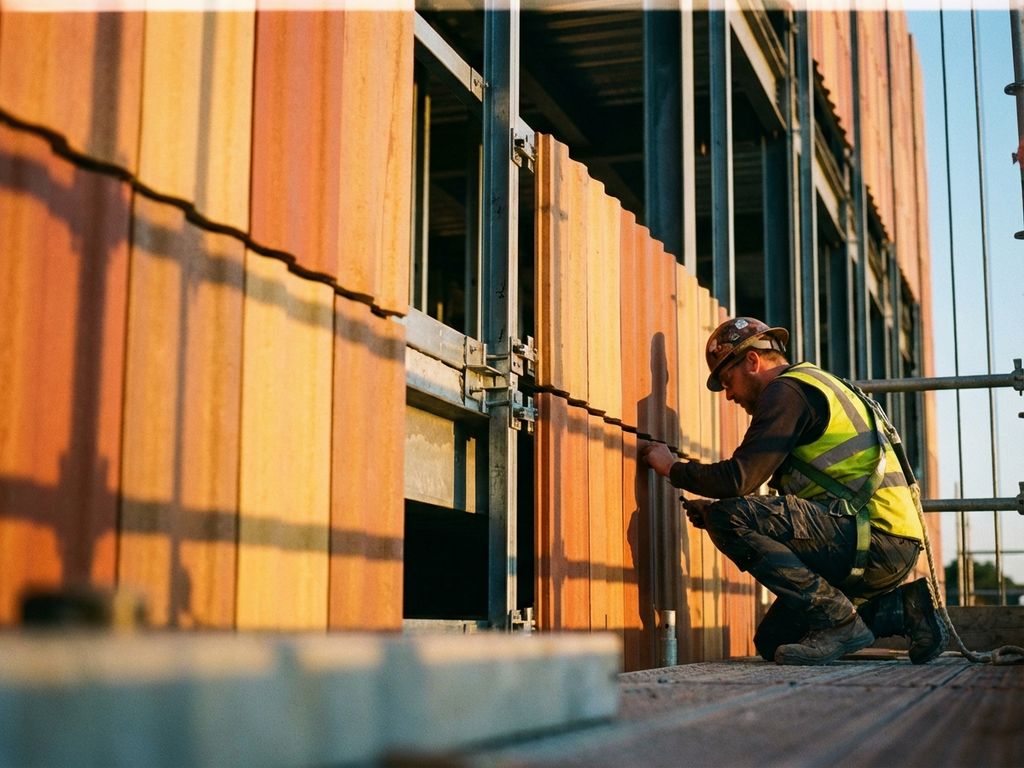
Ceramic facade systems are advanced building cladding solutions that use fired ceramic panels mounted on structural frameworks to protect and enhance exterior walls. These systems combine ceramic panels, mounting hardware, insulation layers, and weatherproofing components to create durable, low-maintenance building exteriors. Unlike traditional materials, ceramic facades offer superior weather resistance, design flexibility, and long-term performance for modern construction projects.
What are ceramic facade systems and how do they differ from traditional cladding?
Ceramic facade systems consist of fired ceramic panels attached to building exteriors through engineered mounting systems. These panels are manufactured from clay materials and fired at extremely high temperatures to create dense, non-porous surfaces that resist weathering, staining, and thermal stress.
The key differences from traditional cladding materials are significant. While brick requires regular repointing and stone needs periodic sealing, ceramic facades maintain their appearance without ongoing maintenance. Metal panels can corrode and expand with temperature changes, but ceramic elements remain dimensionally stable and corrosion-free.
Ceramic systems also offer superior design flexibility compared to conventional materials. The panels can be manufactured in precise custom dimensions, various textures, and virtually any colour. This allows architects to achieve complex geometric patterns and colour schemes that would be impossible with traditional brick or stone construction.
Weight considerations further distinguish ceramic facades. These systems are typically 30% lighter than comparable stone or concrete panels, reducing structural requirements and installation complexity while maintaining excellent durability and weather protection.
How are ceramic facade panels manufactured and what makes them durable?
Ceramic facade panels are created through high-temperature firing processes that transform clay materials into extremely dense, weather-resistant building components. The manufacturing involves forming clay into precise panel shapes, then firing at temperatures exceeding 1,200 degrees Celsius to achieve optimal strength and durability.
This high-temperature firing process creates a vitrified surface that becomes virtually non-porous. The extreme heat fuses clay particles together, eliminating microscopic gaps where water, pollutants, or biological growth could penetrate. This results in panels that resist freeze-thaw damage, chemical attack, and UV degradation.
The durability stems from several manufacturing factors. The controlled firing process ensures consistent density throughout each panel, preventing weak spots that could lead to cracking or failure. High-quality clay selection provides the right mineral composition for optimal strength and thermal stability.
Additionally, the manufacturing process allows for precise dimensional control. Panels can be produced to millimetre-accurate specifications, ensuring a perfect fit during installation and eliminating gaps that could compromise weather protection. The fired ceramic surface requires no protective coatings or treatments, maintaining its properties indefinitely under normal weather conditions.
What components make up a complete ceramic facade system?
A complete ceramic facade system integrates multiple engineered components working together to provide weather protection, thermal performance, and structural integrity. The system includes ceramic panels, mounting brackets, structural framework, insulation layers, vapour barriers, and weatherproofing elements.
The ceramic panels form the visible exterior surface, providing weather protection and aesthetic appeal. Behind these panels, a structural mounting system distributes loads safely to the building frame. This typically consists of aluminium or steel brackets designed to accommodate thermal movement while maintaining secure attachment.
Insulation layers sit between the mounting system and building structure, providing thermal performance and helping prevent condensation. Vapour barriers control moisture movement, while drainage channels and weep holes manage any water that penetrates the system.
Key system components include:
- Ceramic facade panels in specified dimensions and finishes
- Structural mounting brackets and rails
- Thermal insulation materials
- Vapour control membranes
- Weatherproof sealants and gaskets
- Drainage and ventilation elements
Each component must be properly specified and installed to ensure the system performs as designed, providing decades of reliable service with minimal maintenance requirements.
How do you install ceramic facade systems on buildings?
Ceramic facade installation follows a systematic process beginning with structural assessment and ending with quality verification. The process typically takes several weeks for large projects and requires specialised equipment and trained installers to ensure proper performance and safety.
Installation begins with structural preparation, including verifying that the building frame can support the facade loads and installing any required structural reinforcement. The mounting system framework is then precisely positioned and secured to the building structure.
The step-by-step installation process includes:
- Survey and mark mounting point locations on the building structure
- Install structural brackets and support framework
- Apply insulation and vapour barrier materials
- Mount ceramic panels using specified attachment methods
- Install weatherproof seals and drainage components
- Conduct quality inspections and performance testing
Panel installation requires careful attention to alignment, spacing, and sealing. Each panel must be properly supported and secured while allowing for thermal movement. Weather seals must be correctly installed to prevent water infiltration while permitting necessary ventilation.
Quality control measures throughout installation ensure the system meets performance specifications. This includes checking mounting security, seal integrity, and overall system alignment before project completion.
What are the main benefits of choosing ceramic facades over other materials?
Ceramic facades offer superior long-term performance through exceptional weather resistance, minimal maintenance requirements, and design flexibility that surpasses traditional cladding materials. These systems provide excellent thermal properties, aesthetic durability, and cost-effectiveness over the building’s lifetime.
Weather resistance stands as the primary advantage. Ceramic panels resist UV degradation, freeze-thaw cycles, chemical attack, and biological growth without requiring protective treatments or regular maintenance. This contrasts sharply with materials like timber, which need regular painting, or metal, which can corrode over time.
Maintenance benefits include:
- No painting, staining, or protective coating requirements
- Simple cleaning with standard pressure washing
- No joint repointing or seal replacement needed
- Colour and finish remain stable for decades
Design flexibility allows architects to achieve virtually any aesthetic vision. Ceramic facades can be manufactured in custom colours, textures, and sizes, enabling complex geometric patterns and unique architectural expressions that are impossible with many conventional materials. The variety of surfaces and formats available ensures that every architectural vision can be realised with precision and style.
Thermal properties contribute to building energy efficiency. The ceramic material provides excellent thermal mass while allowing for continuous insulation installation. This combination helps regulate interior temperatures and reduces heating and cooling costs.
Long-term cost considerations favour ceramic systems despite higher initial investment. The elimination of ongoing maintenance, combined with exceptional durability, often results in lower total ownership costs compared to materials requiring regular upkeep.
How TONALITY® helps with ceramic facade solutions
TONALITY® provides comprehensive ceramic facade solutions through advanced manufacturing expertise, extensive product ranges, and complete project support services. We utilise high-quality Westerwald clay and specialised firing processes to create superior ceramic facades that meet the most demanding architectural requirements.
Our ceramic facade solutions include:
- Custom panel manufacturing from 150 × 300 mm to 400 × 1,600 mm
- Over 2,700 combinations of colours, textures, and surface profiles
- Lightweight panels that reduce structural requirements by 30%
- Complete system design and technical support services
- Sustainable, 100% recyclable ceramic materials
- Comprehensive installation guidance and quality assurance
We support architects and builders throughout the entire project lifecycle, from initial design consultation through installation completion. Our technical team provides detailed specifications, performance data, and installation guidance to ensure optimal results. You can explore our successful project references to see how we’ve helped create stunning ceramic facades worldwide.
Contact TONALITY® today to discuss your ceramic facade requirements and discover how our advanced ceramic facade solutions can enhance your next building project with superior performance, aesthetic flexibility, and long-term value.
Related Articles
- How do you calculate wind load resistance for terracotta systems?
- 5 Universities That Chose Terracotta Facades (And Why)
- How does terracotta compare to natural stone for facade weight?
- What permits are required for facade renovation in 2026?
- What seismic considerations apply to terracotta facade design?