

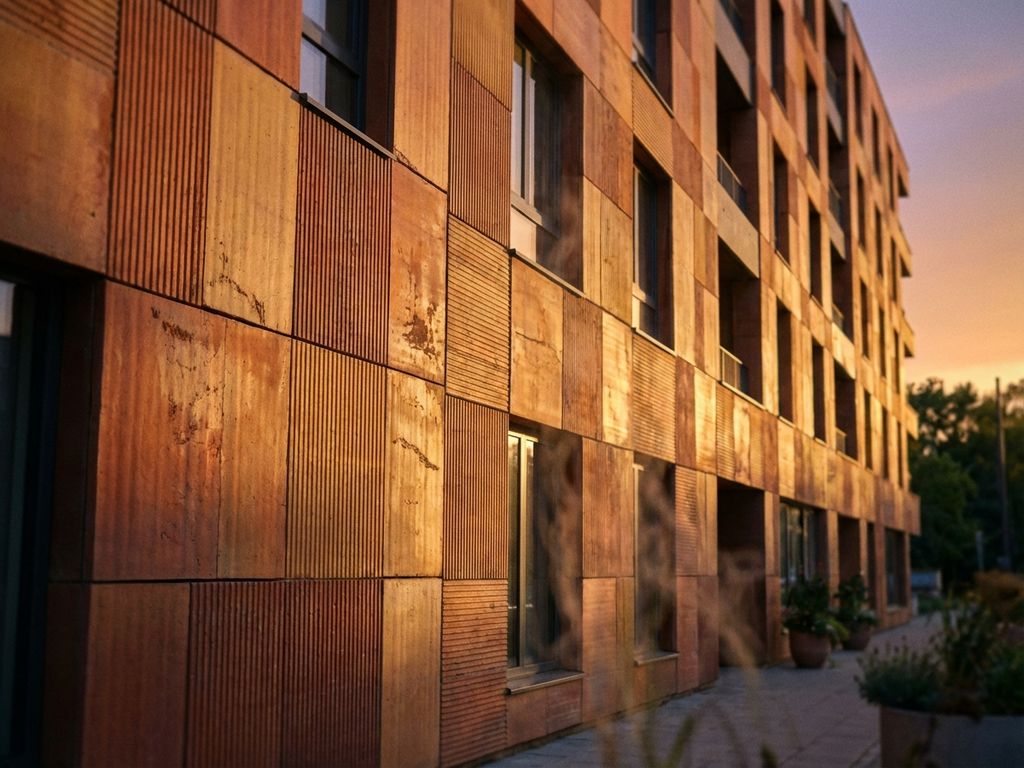
Terracotta facades significantly enhance building energy efficiency through their exceptional thermal mass properties and natural insulation capabilities. These ceramic systems regulate indoor temperatures by absorbing heat during warm periods and releasing it when temperatures drop, reducing reliance on mechanical heating and cooling systems. The dense ceramic material creates an effective thermal barrier that maintains consistent interior conditions across different seasons.
What makes terracotta facades more energy-efficient than other materials?
Terracotta facades offer superior energy efficiency through their unique thermal mass characteristics and natural ceramic composition. The material’s dense structure stores thermal energy effectively, moderating temperature fluctuations and reducing the workload on HVAC systems throughout the day.
The ceramic manufacturing process creates a material with excellent heat regulation properties. Terracotta’s natural clay composition provides inherent insulation benefits that surpass many conventional facade materials. The material’s ability to absorb, store, and gradually release thermal energy creates a natural temperature-buffering effect that maintains more stable indoor conditions.
Additionally, terracotta facades reflect solar radiation more effectively than darker materials, preventing excessive heat absorption during the summer months. The material’s breathable properties allow moisture regulation while maintaining thermal performance, contributing to overall building envelope efficiency and occupant comfort.
How does thermal mass in terracotta facades reduce heating and cooling costs?
Thermal mass in terracotta facades stores and releases heat energy gradually, naturally moderating indoor temperatures and reducing HVAC system demands. During hot days, the ceramic material absorbs excess heat, preventing it from entering the building interior. At night, this stored energy is released slowly, maintaining comfortable temperatures.
This thermal regulation cycle works in reverse during colder months. The facade absorbs solar heat during sunny winter days and releases it gradually as temperatures drop, providing natural heating assistance. This process reduces the frequency and intensity of mechanical heating and cooling cycles, leading to substantial energy savings.
The thermal mass effect is particularly beneficial in climates with significant daily temperature variations. Buildings with terracotta facades experience fewer temperature spikes and drops, creating more stable interior conditions that require less energy input to maintain comfort levels.
What are the insulation benefits of ceramic facade systems?
Ceramic facade systems create effective building envelope barriers that prevent thermal bridging and enhance overall insulation performance. The installation method typically includes air gaps and ventilation spaces that provide additional thermal resistance layers beyond the ceramic material itself.
Properly installed ceramic facades form continuous thermal barriers that eliminate common weak points in building envelopes. The precision manufacturing of ceramic elements ensures tight joints and consistent coverage, preventing air infiltration that can compromise insulation effectiveness.
The multilayer approach of ceramic facade systems often incorporates additional insulation materials behind the ceramic elements. This combination delivers superior thermal performance compared with single-layer facade solutions, while the ceramic exterior provides weather protection that maintains insulation integrity over time.
How do terracotta facades perform in different climate conditions?
Terracotta facades demonstrate consistent energy efficiency benefits across various climate zones, from hot desert environments to cold northern regions. The material’s thermal properties adapt naturally to local temperature patterns, providing cooling benefits in hot climates and thermal retention in cold conditions.
In hot, sunny climates, terracotta’s thermal mass prevents excessive heat buildup during peak temperature periods. The material’s natural colour variations and surface textures can be selected to optimise solar reflection, reducing cooling loads significantly. The breathable nature of ceramic also helps manage humidity levels in tropical environments.
Cold-climate performance benefits from terracotta’s ability to capture and store solar heat during brief sunny periods. The material’s low thermal conductivity prevents heat loss, while its thermal mass provides temperature stability during cold snaps. Freeze–thaw resistance ensures long-term performance without degradation that could compromise energy efficiency.
What installation factors affect the energy efficiency of terracotta facades?
Proper installation techniques significantly impact the energy-saving potential of terracotta facade systems. Ventilation cavity design, mounting methods, and joint sealing all influence thermal performance and overall building envelope effectiveness.
Ventilation cavity depth and airflow management are critical factors. Properly designed cavities allow controlled air movement that enhances thermal performance while preventing moisture accumulation. The mounting system must minimise thermal bridging through structural connections while maintaining facade stability.
Joint design and sealing methods affect both thermal and moisture performance. Precision installation ensures consistent thermal barriers without gaps that could compromise energy efficiency. Integration with window and door openings requires careful detailing to maintain continuous thermal performance across the entire facade system.
How TONALITY® ceramic facades enhance building energy efficiency
TONALITY® ceramic facade systems deliver exceptional energy efficiency through advanced manufacturing processes and innovative installation methods. The high-temperature sintering process creates dense, uniform ceramic elements with optimal thermal properties that outperform conventional facade materials.
Key energy efficiency benefits include:
- Low surface weight of approximately 40 kilograms per square metre reduces structural thermal bridging
- Precision manufacturing ensures consistent thermal performance across all facade elements
- Integrated mounting system minimises installation-related thermal bridges
- A1 fire rating eliminates combustible components that could compromise building envelope integrity
- Permanent colour stability maintains solar reflection properties throughout the facade’s lifespan
The single-layer production method creates homogeneous thermal properties without weak points or delamination risks. This manufacturing approach, combined with the interlocking installation system, delivers superior long-term energy performance with minimal maintenance requirements. You can see examples of successful energy-efficient installations in our project references.
Contact TONALITY® to explore how ceramic facade systems can enhance your building’s energy efficiency while providing lasting aesthetic and performance value.