

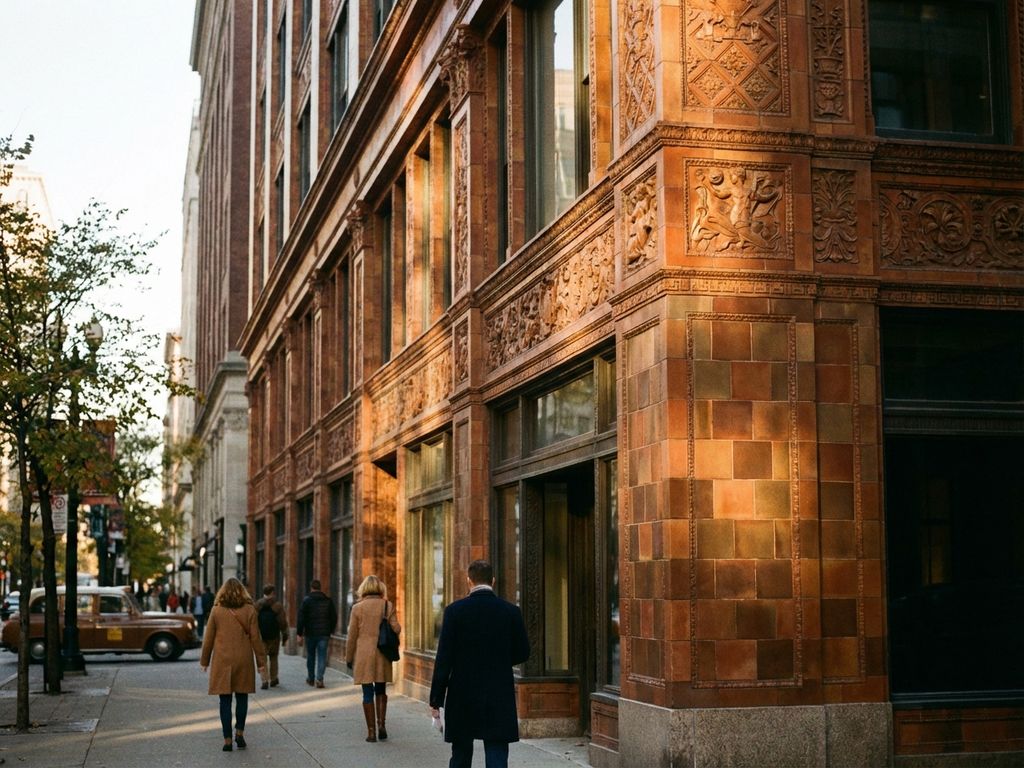
Terracotta is extensively used in commercial architecture for its exceptional durability, fire resistance, and design flexibility. Modern terracotta facades provide architects with sustainable, low-maintenance cladding solutions that offer unlimited aesthetic possibilities while meeting stringent commercial building requirements. This versatile ceramic material combines traditional craftsmanship with contemporary engineering to create striking commercial buildings.
What makes terracotta ideal for commercial building facades?
Terracotta offers unique properties that make it exceptionally suitable for commercial architecture applications. Its A1 fire resistance classification means it is completely non-combustible, providing superior safety for commercial buildings. The material’s thermal performance helps regulate building temperatures, while its dense, sintered surface resists weathering and maintains its appearance for decades with minimal maintenance.
The durability of terracotta facades stems from the high-temperature firing process, which creates an extremely dense ceramic structure. This manufacturing method produces surfaces that naturally resist UV degradation, colour fading, and environmental damage. Commercial buildings benefit from terracotta’s integrated graffiti protection and permanent colour stability, reducing the need for regular cleaning or repainting that other facade materials require.
Terracotta’s aesthetic versatility allows architects to create distinctive commercial buildings that reflect brand identity while meeting practical requirements. The material can be produced in virtually any colour, texture, or finish, enabling unique architectural expressions that stand out in commercial districts.
How do terracotta facade systems actually work in commercial buildings?
Modern terracotta facade systems use sophisticated mounting mechanisms that integrate seamlessly with commercial building frameworks. Ceramic elements feature profiled backs that interlock with vertical aluminium retaining profiles, creating secure attachment points that distribute loads evenly across the building structure. This system allows for thermal movement while maintaining weatherproof performance.
The installation process involves mounting the aluminium framework to the building’s structural system, then simply clicking the ceramic elements into place. This method significantly reduces installation time compared with traditional masonry systems. The lightweight nature of modern terracotta elements, typically around 40 kilograms per square metre, allows for lighter substructures and reduces overall building loads.
Structural considerations include wind load calculations, thermal expansion allowances, and seismic movement accommodation. The facade system must integrate with insulation layers, vapour barriers, and weatherproofing systems to create a complete building envelope. Professional installation ensures proper drainage, ventilation, and prevention of thermal bridging.
What are the main design possibilities with terracotta in commercial architecture?
Terracotta facades offer virtually unlimited design possibilities for commercial architecture through extensive customisation options. Colour choices range from natural earth tones to vibrant contemporary hues, with surface textures varying from smooth and glossy to deeply textured and matte finishes. This flexibility allows architects to create facades that align perfectly with corporate branding and architectural vision.
Sizing formats can be precisely manufactured to within one millimetre, with dimensions ranging from small-scale tiles to large-format panels. This precision enables complex geometric patterns, rhythmic facades, and seamless integration with other building materials. Architects can specify custom sizes, shapes, and profiles to achieve specific design goals.
Surface treatments include glazed, unglazed, and specially textured finishes that create different visual effects throughout the day as lighting conditions change. The material’s ability to be formed into complex shapes allows for curved facades, angular geometries, and three-dimensional surface patterns that create dynamic commercial building exteriors.
Why do architects choose terracotta over other commercial facade materials?
Architects select terracotta facades for commercial projects because of their superior longevity and minimal maintenance requirements compared with alternative cladding materials. Unlike metal panels that may corrode or composite materials that can degrade, terracotta maintains its appearance and structural integrity for decades without requiring replacement or significant maintenance interventions.
The sustainability benefits of terracotta make it increasingly attractive for commercial developments seeking environmental certifications. The material is 100% recyclable and can be completely deconstructed for reuse in future projects. This circular-economy approach aligns with corporate sustainability goals and green building standards.
From a lifecycle perspective, terracotta offers exceptional value through reduced maintenance costs, energy-efficiency contributions, and long-term durability. The material’s thermal mass properties can contribute to building energy performance, while its permanent finish eliminates ongoing painting and surface treatment expenses that other facade materials require.
How TONALITY® ceramic facades enhance commercial architecture projects
TONALITY® provides comprehensive ceramic facade solutions specifically engineered for commercial architecture applications. The company’s advanced sinter-firing process at temperatures exceeding 1,200 degrees Celsius creates unrivalled surface density and quality consistency that meets the demanding requirements of commercial building projects, as demonstrated in their extensive project portfolio.
Key benefits of TONALITY® ceramic facades include:
- Precise manufacturing tolerances within one millimetre for perfect installation alignment
- A1 fire classification providing maximum safety for commercial occupancies
- Lightweight construction reducing structural loads and enabling flexible installation
- Simple mounting systems that reduce installation time and labour costs
- Complete recyclability supporting sustainable building certifications
- Extensive customisation options for unique architectural expressions
The TONALITY® system’s quick installation process and reliable performance make it ideal for commercial projects with tight schedules and budget constraints. To explore how TONALITY® ceramic facades can enhance your commercial architecture project, contact our technical team for detailed specifications and design consultation.