

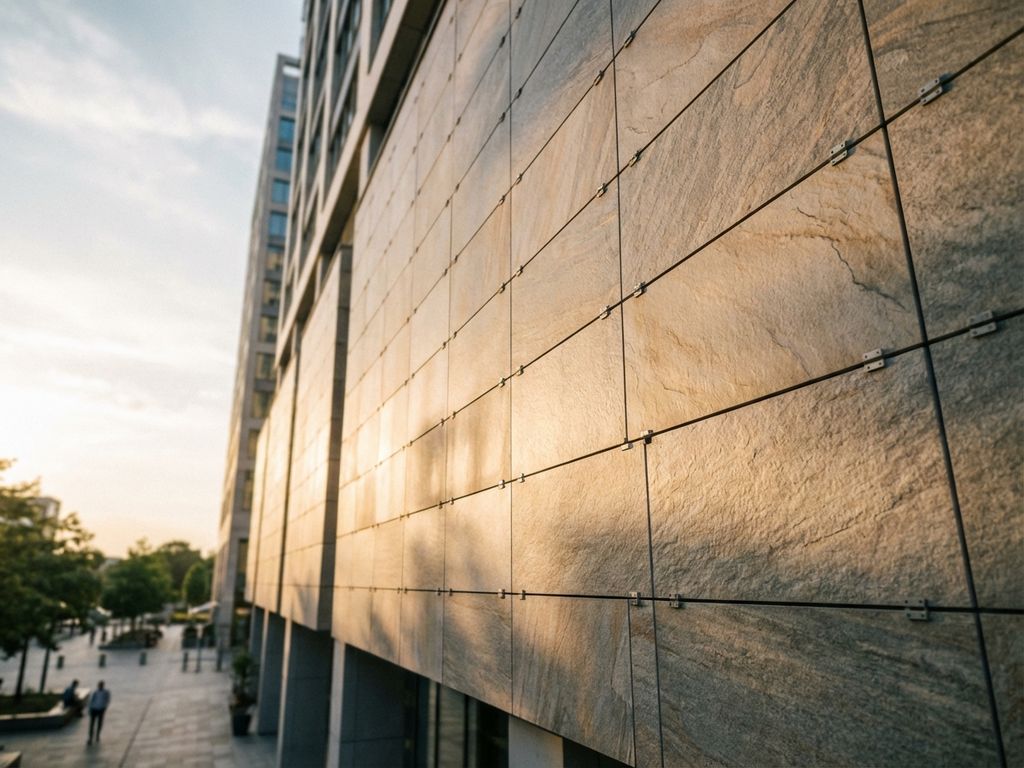
Ceramic facades are advanced exterior cladding systems made from high-fired clay panels that protect and enhance building exteriors. These keramikfassaden combine exceptional durability with design flexibility, offering architects and builders a premium solution for modern construction. They are manufactured through high-temperature firing processes that create dense, weather-resistant surfaces requiring minimal maintenance over decades.
What exactly are ceramic facades and how do they work?
Ceramic facades consist of fired clay panels that are attached to building exteriors as protective and decorative cladding. These panels are manufactured by firing specially selected clay at temperatures exceeding 1,200 degrees Celsius, creating an extremely dense and non-porous surface that repels water while allowing vapour permeability.
The manufacturing process transforms raw clay into highly durable building elements through controlled heating and cooling cycles. This process eliminates organic materials and fuses clay particles into a homogeneous structure that resists weathering, UV radiation, and thermal cycling.
Modern ceramic facade systems function as ventilated curtain walls, creating an air gap between the ceramic panels and the building structure. This design allows moisture to escape while providing thermal insulation benefits. The panels are mounted to aluminium or steel subframes using mechanical fixings that accommodate thermal movement.
The facade system protects the underlying building structure from weather exposure while contributing to energy efficiency through thermal mass and shading properties. The ventilated cavity behind the panels helps regulate building temperatures and prevents moisture accumulation.
What are the main benefits of choosing ceramic facades over other materials?
Ceramic facades offer superior durability, lasting 50+ years with minimal maintenance compared to materials like render or timber that require regular upkeep. They resist fading, staining, and weather damage while maintaining their original appearance throughout their service life.
The material advantages include excellent fire resistance, meeting stringent building safety requirements without additional treatments. Ceramic panels are non-combustible and do not release toxic gases when exposed to high temperatures, making them ideal for high-rise and public buildings.
Design versatility sets ceramic facades apart from alternatives. Manufacturers can produce panels in virtually any colour, texture, or format, including custom shapes and sizes. This flexibility allows architects to create unique building identities while maintaining practical performance requirements.
Environmental benefits include complete recyclability and low embodied energy compared to materials like aluminium or engineered stone. Ceramic facades contribute to sustainable building practices through their longevity, reducing replacement needs and associated waste.
The lightweight nature of modern ceramic panels reduces structural loading compared to traditional masonry or concrete facades, enabling more efficient building designs and potentially reducing foundation requirements.
How are ceramic facades installed and what does the process involve?
Ceramic facade installation begins with mounting a structural subframe to the building, typically using aluminium or steel rails attached through the external wall to the main structure. This subframe must be precisely aligned and levelled to ensure proper panel installation.
The installation process follows these key stages:
- Survey and measurement of the building facade to confirm panel sizes and fixing positions
- Installation of structural brackets and rails with appropriate thermal breaks
- Fitting of insulation materials between the subframe and building wall
- Sequential installation of ceramic panels using mechanical fixings
- Sealing of joints and installation of flashings around openings
- Final inspection and testing of the completed system
Professional installation typically requires 2–3 weeks for a standard residential project, though complex commercial buildings may take several months. The lightweight panels allow faster installation compared to traditional masonry, reducing labour costs and project timelines.
Quality installation requires experienced contractors familiar with curtain wall systems and thermal movement principles. Proper fixing design accommodates building movement while maintaining weather protection and structural integrity.
What maintenance do ceramic facades require over time?
Ceramic facades require minimal maintenance compared to other exterior materials, typically needing only periodic cleaning and occasional inspection of fixings. The non-porous surface resists dirt accumulation and biological growth, maintaining its appearance with basic care.
Regular maintenance involves annual visual inspections to check for damaged panels, loose fixings, or blocked drainage paths in the ventilated cavity. Any issues identified should be addressed promptly to prevent water ingress or structural problems.
Cleaning requirements depend on building location and exposure conditions. Urban environments may require professional cleaning every 3–5 years to remove pollution deposits, while rural locations might need attention only every 7–10 years.
The cleaning process typically uses low-pressure water washing with mild detergents for stubborn stains. Avoid aggressive cleaning methods or acidic cleaners that might damage joint sealants or surface finishes.
Sealant replacement around windows and expansion joints may be needed every 10–15 years, depending on exposure conditions and sealant quality. This preventive maintenance protects the building structure and maintains energy efficiency.
How do ceramic facades perform in different weather conditions?
Ceramic facades excel in extreme weather conditions due to their fired clay composition and thermal properties. They withstand temperature fluctuations from -40°C to +60°C without cracking or degrading, making them suitable for diverse climatic zones worldwide.
Freeze-thaw resistance is exceptional because the dense, non-porous surface prevents water absorption that could cause frost damage. This makes ceramic facades particularly valuable in northern climates where freeze-thaw cycles are common.
UV stability ensures colour fastness and surface integrity over decades of sun exposure. Unlike organic materials or painted surfaces, ceramic facades will not fade, chalk, or deteriorate under intense solar radiation.
Wind and rain resistance result from proper installation of the ventilated facade system. The panels shed water effectively, while the cavity design prevents wind-driven rain from reaching the building structure. Drainage details ensure any moisture that enters the cavity can escape safely.
Thermal performance benefits include high thermal mass that moderates temperature swings and reduces cooling loads in hot climates. The ventilated cavity provides additional insulation value and helps control condensation risks.
How TONALITY® delivers superior ceramic facade solutions
TONALITY® provides premium keramikfassaden through advanced manufacturing processes and comprehensive project support. Our high-temperature firing at over 1,200°C creates exceptionally smooth, dense surfaces that deliver unmatched durability and aesthetic quality.
Our comprehensive solutions include:
- Custom panel manufacturing from 150×300 mm to 400×1,600 mm with millimetre precision
- Over 2,700 design combinations including smooth, ribbed, and profiled surfaces
- Panels that are 30% lighter than conventional ceramic elements for easier installation
- Complete technical support from design through installation and maintenance
- Sustainable manufacturing using local Westerwald clay with 100% recyclability
- Comprehensive warranties backed by over 150 years of ceramic expertise
Our experienced technical team works directly with architects and contractors to optimise facade designs for performance, aesthetics, and budget requirements. We provide detailed specifications, installation guidance, and ongoing support throughout the project lifecycle.
Contact our facade specialists today to discover how TONALITY® ceramic systems can enhance your next building project with superior performance and distinctive design possibilities.