

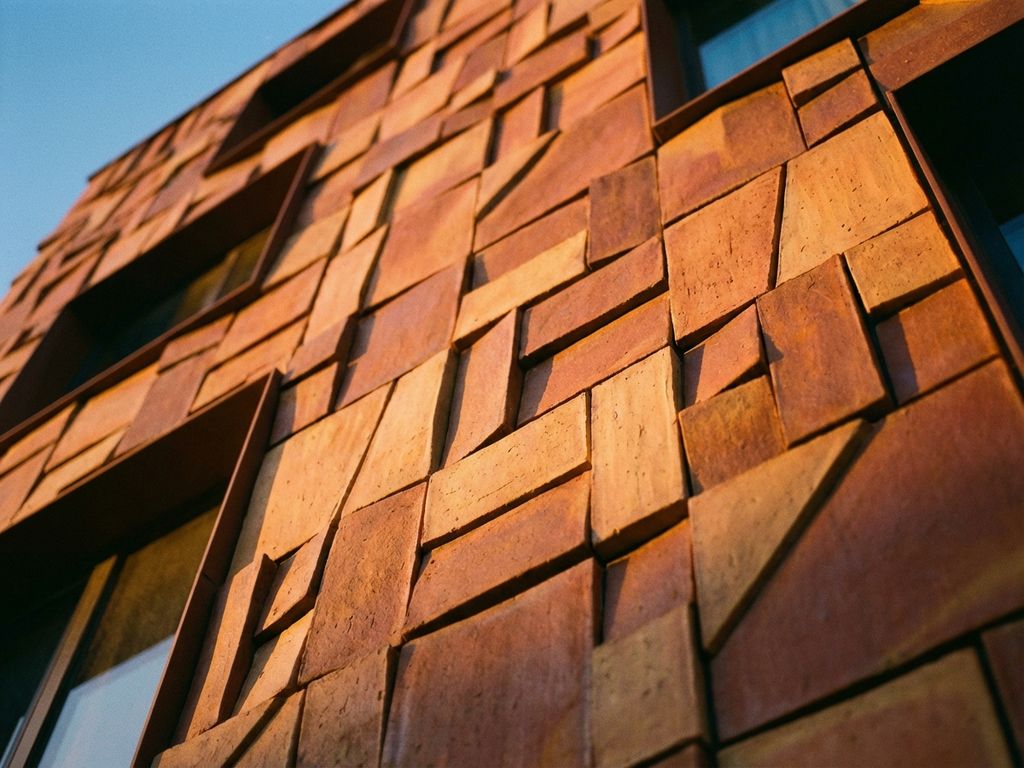
Terracotta facades offer exceptional durability, energy efficiency, and design flexibility through high-temperature fired ceramic construction. These natural clay-based systems provide weather resistance, fire safety, and environmental sustainability while delivering virtually unlimited architectural possibilities. Modern ceramic facade systems combine traditional materials with advanced manufacturing for superior building performance.
What makes terracotta facades so durable compared to other materials?
Terracotta facades achieve superior durability through high-temperature sinter firing at over 1,200 degrees Celsius, creating dense, low-porosity surfaces that resist weathering, frost damage, and UV degradation. This manufacturing process produces ceramic elements with exceptional longevity compared to traditional facade materials.
The extreme firing temperatures fundamentally transform clay particles into a vitrified ceramic structure that withstands decades of exposure without deterioration. Unlike painted or coated materials that require regular maintenance, terracotta facades maintain their appearance and structural integrity throughout their service life. The ceramic surface naturally resists moisture penetration, preventing freeze-thaw damage that commonly affects other facade systems.
Weather-resistant properties include permanent colour stability, scratch resistance, and immunity to acid rain and atmospheric pollutants. The ceramic material will not fade, chalk, or degrade under UV exposure, eliminating the need for protective treatments or regular refinishing that burden other facade options.
How do terracotta facades contribute to energy efficiency in buildings?
Terracotta facades enhance building energy efficiency through thermal mass properties that help regulate interior temperatures by absorbing heat during warm periods and releasing it when temperatures drop. This natural temperature moderation reduces heating and cooling demands throughout the year.
The ceramic material’s thermal characteristics help stabilise indoor environments by dampening temperature fluctuations. During the summer months, terracotta facades absorb solar heat during peak hours and release it gradually during cooler evening periods. In winter, the thermal mass captures and stores available solar energy, contributing to passive heating strategies.
Modern ceramic facade systems integrate with building insulation layers to create highly efficient thermal envelopes. The combination of thermal mass and well-designed insulation reduces mechanical heating and cooling loads, leading to measurable energy savings over the building’s lifetime. This performance particularly benefits commercial buildings with high occupancy levels and varying internal heat gains.
What design possibilities do ceramic facade systems offer architects?
Ceramic facade systems provide architects with extensive design flexibility through wide-ranging colour palettes, surface textures, format variations, and custom shapes that accommodate virtually any architectural vision. Modern manufacturing capabilities enable precise customisation while maintaining structural performance requirements.
Colour options span the full spectrum, from natural earth tones to vibrant contemporary hues, with permanent colour stability guaranteed through the ceramic firing process. Surface treatments range from smooth, polished finishes to textured, natural appearances that create visual interest and tactile appeal. For detailed information about available surfaces and formats, architects can explore the comprehensive range of options to match their specific design requirements.
Format flexibility allows ceramic elements ranging from small-scale tiles to large-format panels measuring up to 400 x 1,600 millimetres. Custom shapes accommodate curved facades, angular geometries, and complex architectural features. The relatively lightweight nature of ceramic elements enables creative applications on timber construction, heritage buildings, and structures with limited load-bearing capacity.
Why are terracotta facades considered environmentally sustainable?
Terracotta facades support environmental sustainability through natural clay materials, complete recyclability, and exceptional longevity that eliminates frequent replacement cycles. The manufacturing process utilises abundant natural resources without harmful chemical additives or synthetic components.
Clay, the primary raw material, occurs naturally in abundant deposits and requires less processing than many synthetic facade materials. The high-temperature firing process uses energy efficiently while creating a permanent, stable product that will not degrade or release harmful substances during its service life.
End-of-life sustainability includes complete recyclability, with ceramic elements easily deconstructed and sorted for reuse in new construction projects. Their durability significantly reduces environmental impact by eliminating replacement needs for decades, in sharp contrast to materials requiring regular renewal. These characteristics contribute valuable points toward green building certifications and sustainable construction goals.
How do ceramic facades perform in terms of fire safety and building codes?
Ceramic facades achieve A1 fire classification as completely non-combustible materials that contain no flammable components and do not contribute to fire spread or toxic smoke generation. This classification meets the strictest building code requirements for fire safety across all construction types.
The ceramic material’s inherent fire resistance stems from the high-temperature manufacturing process, which eliminates any organic content and creates a stable, inert surface. Unlike composite materials or systems with combustible cores, terracotta facades maintain their structural integrity when exposed to fire conditions and do not release toxic gases.
Building code compliance advantages include approval for high-rise construction, proximity to property boundaries, and timber frame applications where fire protection is critical. The non-combustible classification often allows architects greater design freedom and may reduce insurance premiums for building owners. These fire safety characteristics make ceramic facades particularly valuable for schools, hospitals, and other buildings with stringent safety requirements.
How TONALITY® delivers superior ceramic facade solutions
TONALITY® manufactures premium ceramic facade systems using Europe’s highest-quality clay deposits and advanced sinter firing technology at temperatures exceeding 1,200 degrees Celsius. The innovative back-profiled ceramic elements interlock with vertical aluminium retaining profiles for simplified installation and superior performance. Architects and developers can explore our comprehensive project references to see how these systems have been successfully implemented across diverse building types.
Key advantages of TONALITY® ceramic facades include:
- Lightweight construction at only 40 kilograms per square metre, reducing substructure requirements
- Precision manufacturing tolerances within one millimetre for perfect alignment
- Integrated graffiti protection and permanent UV resistance
- Complete recyclability with easy deconstruction for component reuse
- A1 fire classification for maximum safety compliance
- Extensive format range from 150 x 300 mm to 400 x 1,600 mm
Transform your next project with TONALITY® ceramic facades that combine German engineering excellence with extensive design possibilities. Contact our technical team to discuss your specific requirements and discover how our innovative facade systems can enhance your building’s performance, aesthetics, and sustainability.
Related Articles
- How do terracotta baguettes and louvers provide sun shading?
- How do perforated terracotta screens balance natural light with privacy?
- What is the difference between ADS and BAS terracotta systems?
- Which LEED credits can terracotta facades help achieve?
- How do terracotta baguettes and louvers create effective solar shading?