

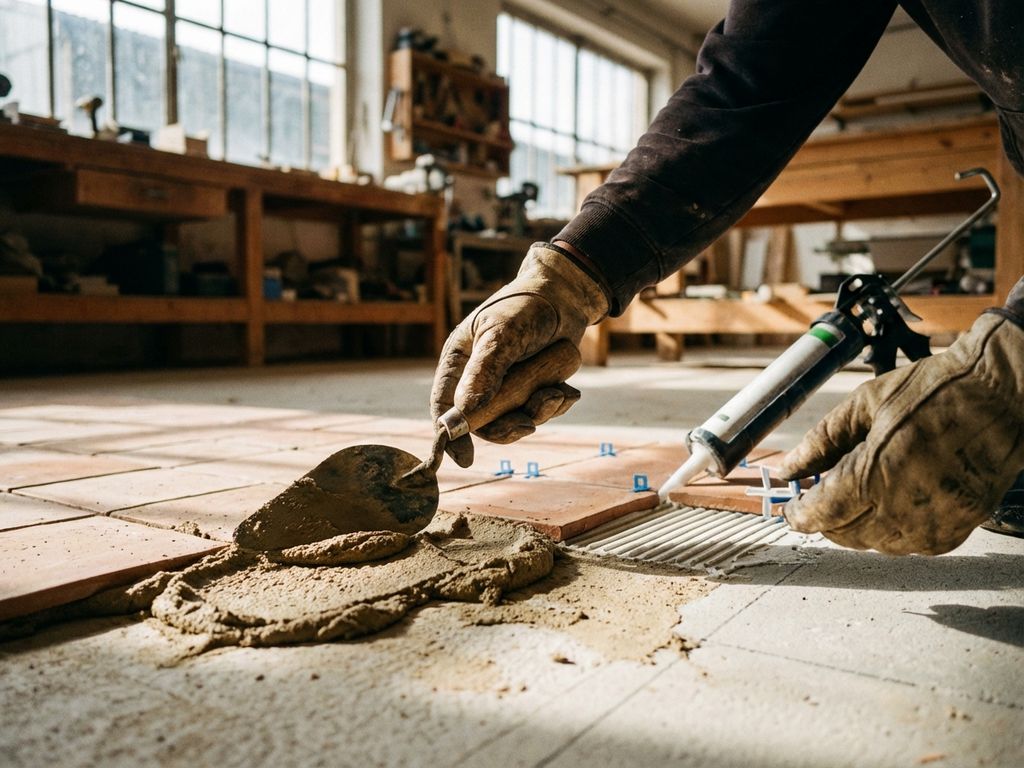
Terracotta installation methods vary significantly in upfront investment and labour requirements, with mechanical fixing systems typically requiring higher initial costs than adhesive methods. However, the total cost difference depends on project complexity, building requirements, and long-term maintenance considerations. Understanding these cost variations helps architects and contractors make informed decisions about which installation approach delivers the best value for their specific project needs.
What are the main terracotta installation methods and how do they differ?
Mechanical fixing systems and adhesive bonding represent the two primary approaches for terracotta facade installation. Mechanical systems use aluminium rails, brackets, and specialised fixings to secure tiles to the building structure, while adhesive methods rely on structural adhesives and bonding agents to attach tiles directly to prepared substrates.
Mechanical fixing systems create a ventilated cavity behind the terracotta facade, allowing air circulation and moisture management. This approach requires precise measurement and installation of support rails, followed by the attachment of individual tiles using clips or interlocking mechanisms. The system distributes weight loads across the structural frame and allows for thermal movement.
Adhesive installation involves applying structural adhesives to prepared wall surfaces and pressing terracotta tiles into position. This method requires excellent substrate preparation, weather protection during curing, and careful attention to surface flatness. The tiles bond directly to the wall system, creating a more compact facade assembly with reduced cavity depth.
How much more expensive is mechanical installation compared to adhesive methods?
Mechanical installation systems generally require higher upfront investment due to the additional materials and specialised labour involved. The cost difference stems from aluminium support systems, precision fixings, and the skilled installation expertise required for proper rail alignment and tile attachment.
Adhesive methods appear more economical initially, with lower material costs for bonding agents compared to mechanical hardware. However, adhesive installation demands extensive surface preparation, primer application, and weather-dependent working conditions that can extend project timelines and increase labour costs.
The total cost comparison must account for structural requirements, as mechanical systems often allow lighter substructures due to improved load distribution. Adhesive methods may require stronger substrate construction to handle direct loading and thermal stresses, potentially offsetting initial material savings through increased structural investment.
What hidden costs should you consider when choosing installation methods?
Weather dependency creates significant hidden costs in terracotta installation projects. Adhesive methods require dry conditions and specific temperature ranges during application and curing, potentially causing delays that extend labour costs and site overhead expenses. Mechanical systems offer greater weather flexibility but may require protective measures during precision alignment work.
Specialist labour requirements vary considerably between methods. Mechanical installation demands skilled technicians familiar with rail systems and precision measurement, while adhesive application requires expertise in surface preparation and adhesive chemistry. Training costs and labour availability can substantially impact project budgets.
Equipment rental represents another often-overlooked expense. Mechanical systems may require specialised lifting equipment and precision measurement tools, while adhesive installation needs mixing equipment, application tools, and environmental control measures. Access equipment requirements also differ based on the installation method chosen.
Future maintenance access costs should be considered from the project planning stage. Mechanical systems typically allow individual tile replacement without affecting adjacent elements, while adhesive installation may require more extensive work areas for repairs, increasing long-term maintenance expenses.
Which installation method offers better long-term value for money?
Mechanical installation systems typically provide superior long-term value through reduced maintenance requirements and easier repair access. The ventilated cavity design protects both the terracotta and the building structure from moisture issues, while individual tile replacement capability minimises future maintenance disruption and costs.
Durability expectations favour mechanical systems due to their ability to accommodate building movement and thermal expansion without transferring stress to the terracotta elements. This flexibility reduces the risk of tile cracking or adhesive failure that can occur with direct-bonded installations over time.
Replacement ease becomes crucial for lifecycle cost analysis. Mechanical systems allow selective tile replacement without affecting surrounding areas, making future updates or repairs more cost-effective. Adhesive installations often require the removal of multiple tiles to access damaged areas, increasing both material waste and labour costs.
Total cost of ownership calculations over 20–30 years consistently favour mechanical installation methods despite higher upfront investment. The combination of reduced maintenance frequency, easier repairs, and better long-term performance typically outweighs initial cost differences, particularly for larger facade areas.
How TONALITY® helps with terracotta installation cost optimisation
TONALITY® ceramic facade systems reduce installation complexity and costs through an innovative interlocking design that simplifies the mounting process. The lightweight ceramic elements require less substantial substructures compared to traditional terracotta, reducing overall project costs while maintaining superior performance characteristics.
Key cost advantages include:
- Simplified mounting procedures with « mount and done » installation efficiency
- Reduced substructure requirements due to a low surface weight of approximately 40 kilograms per square metre
- Interlocking ceramic elements that eliminate complex fixing details
- Precision manufacturing to within one millimetre, reducing on-site adjustment time
- A1 fire classification providing natural fire protection without additional treatments
- Integrated graffiti protection and permanent colour stability, reducing maintenance costs
The TONALITY® system combines the long-term value benefits of mechanical installation with streamlined procedures that reduce labour time and complexity. Our surfaces and formats offer exceptional versatility for various project requirements. For detailed technical specifications, explore our downloads and samples section. Contact our technical team to discuss how TONALITY® ceramic facades can optimise your project costs while delivering exceptional performance and aesthetic results.