

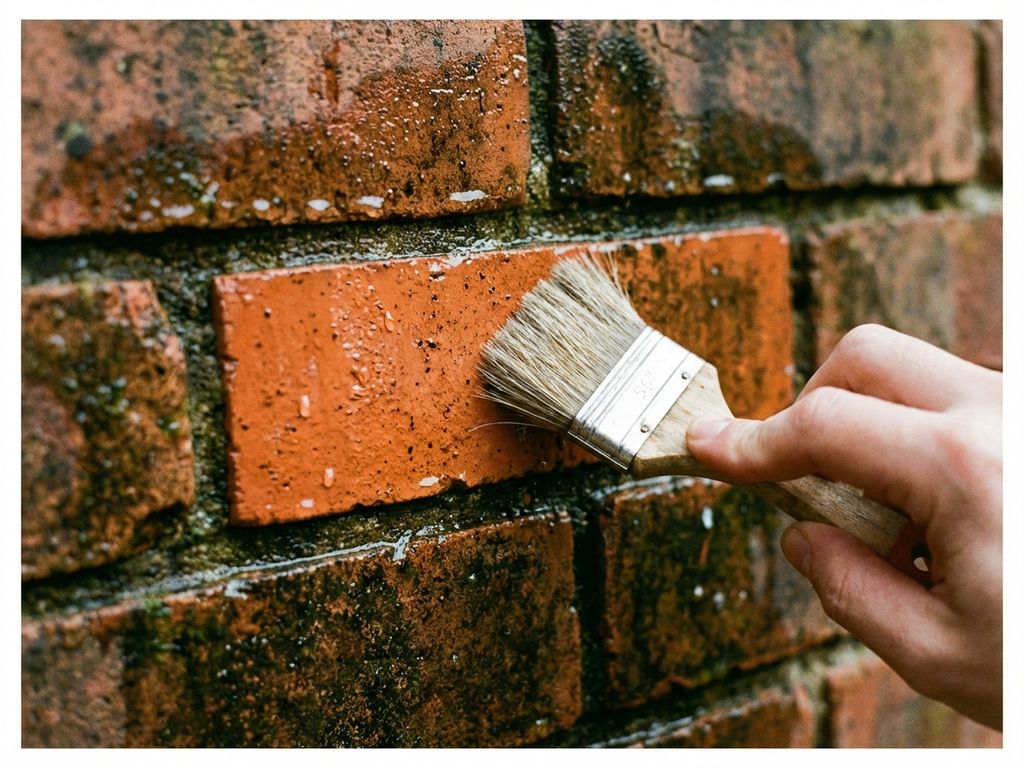
Terracotta cladding requires specific cleaning methods due to its porous, naturally fired surface. pH-neutral cleaners and gentle pressure washing work best to preserve the material’s integrity and appearance. Proper technique prevents damage while maintaining the façade’s natural beauty and longevity.
What makes terracotta cladding different from other façade materials when it comes to cleaning?
Terracotta’s unique clay composition and firing process create a naturally porous surface that absorbs moisture and dirt differently from other materials. The traditional firing temperatures, typically below 1,000 degrees Celsius, result in a less dense structure compared to fully vitrified ceramics. This porosity means cleaning agents can penetrate deeper into the surface, requiring gentler approaches to avoid permanent staining or damage.
The surface texture of terracotta varies significantly depending on the manufacturing process and finish applied. Some surfaces have natural irregularities that can trap dirt and organic growth, while others feature smoother finishes that are easier to clean. These textural differences directly influence which cleaning methods will be most effective and how frequently maintenance should occur.
Unlike metal or glass façades, terracotta façades can be sensitive to pH extremes and harsh chemicals. The natural clay minerals can react with certain cleaning agents, potentially causing discolouration or surface deterioration that cannot be reversed.
Which cleaning solutions are safe and effective for terracotta façades?
pH-neutral cleaners specifically designed for natural stone and clay surfaces provide the safest option for terracotta maintenance. These solutions effectively remove dirt and organic growth without compromising the material’s natural properties. Specialised stone cleaners with mildly alkaline formulations can tackle stubborn stains while remaining gentle on the terracotta surface.
Natural cleaning alternatives include diluted white vinegar solutions for light cleaning and biodegradable detergents for regular maintenance. These options are particularly suitable for buildings in environmentally sensitive areas or where chemical runoff is a concern.
Avoid acidic cleaners, bleach-based products, and highly alkaline solutions that can permanently damage terracotta. Pressure-washing chemicals designed for concrete or masonry may be too aggressive for the more delicate clay surface. Always test any cleaning solution on a small, inconspicuous area before full application.
How do you properly clean terracotta cladding without causing damage?
Begin with thorough preparation by protecting surrounding areas and testing cleaning solutions on a small section. Remove loose debris with soft brushes or low-pressure water before applying any cleaning agents. This prevents scratching and ensures the cleaning solution can work effectively on the actual dirt and stains.
Apply cleaning solutions from bottom to top using soft-bristled brushes or low-pressure sprayers. Allow adequate dwell time for the cleaner to work, typically 10–15 minutes, but do not let it dry completely on the surface. Work in manageable sections to maintain control over the cleaning process.
When pressure washing, use wide-angle nozzles and maintain an appropriate distance from the surface. Pressure should not exceed 1,000 PSI for most terracotta surfaces. Always rinse thoroughly with clean water, working from top to bottom to prevent streaking and ensure complete removal of cleaning residues.
What are the most common mistakes people make when cleaning terracotta?
Using excessive pressure or incorrect cleaning products is the most frequent error in terracotta maintenance. Many people assume terracotta can handle the same aggressive cleaning methods used on concrete or brick, leading to surface erosion, colour loss, or permanent texture changes that compromise the façade’s appearance.
Inadequate preparation often results in poor cleaning outcomes. Failing to remove loose debris first can cause scratching, while not protecting adjacent surfaces can lead to damage from cleaning runoff. Skipping the test patch process frequently results in unexpected reactions or discolouration.
Timing mistakes include cleaning in direct sunlight, which causes rapid drying and potential streaking, or during freezing conditions that can damage wet terracotta. Many also underestimate the importance of thorough rinsing, leaving cleaning residues that attract dirt more quickly or cause long-term surface problems.
How often should terracotta cladding be professionally cleaned?
Professional cleaning frequency depends on environmental exposure and local pollution levels, typically ranging from every 2–5 years for most commercial buildings. Urban environments with high air pollution may require annual cleaning, while rural locations might extend intervals to 5–7 years based on façade condition.
Monitor your terracotta façades for visual indicators that cleaning is needed. These include visible dirt accumulation, colour dulling, organic growth such as algae or moss, and staining from environmental pollutants. Regular visual inspections help determine optimal cleaning schedules based on actual conditions rather than arbitrary timelines.
Consider seasonal factors when scheduling professional cleaning. Spring and autumn typically provide ideal conditions with moderate temperatures and lower UV exposure. Avoid cleaning during extreme weather conditions or when freezing temperatures are expected within 48 hours of the cleaning process.
How do TONALITY® ceramic façades simplify maintenance and cleaning?
TONALITY® ceramic façades feature a special sinter firing process at temperatures exceeding 1,200 degrees Celsius, creating exceptionally dense and smooth surfaces that naturally resist dirt accumulation. This advanced manufacturing process produces a non-porous surface that prevents deep penetration of contaminants, making routine cleaning significantly more straightforward and effective.
The maintenance advantages include:
- Integrated graffiti protection that eliminates costly removal treatments
- Permanent colour and UV resistance that maintains appearance without frequent cleaning
- Smooth surface texture that allows dirt to wash away naturally with rainfall
- Non-combustible A1 classification that requires no additional protective treatments
- 100% recyclable materials supporting sustainable building maintenance practices
Transform your building’s maintenance requirements with TONALITY® ceramic façade systems. Our successful projects demonstrate how advanced ceramic technology can reduce long-term maintenance commitments while delivering superior aesthetic performance. Contact our technical team to discover how these innovative solutions can benefit your next project.
Related Articles
- Can terracotta facades withstand extreme weather conditions?
- What fire safety ratings do terracotta facade panels have?
- What is the difference between ceramic facades and traditional cladding?
- How do perforated terracotta screens balance light, privacy, and ventilation?
- How do you choose the right insulation system for facade renovation?