

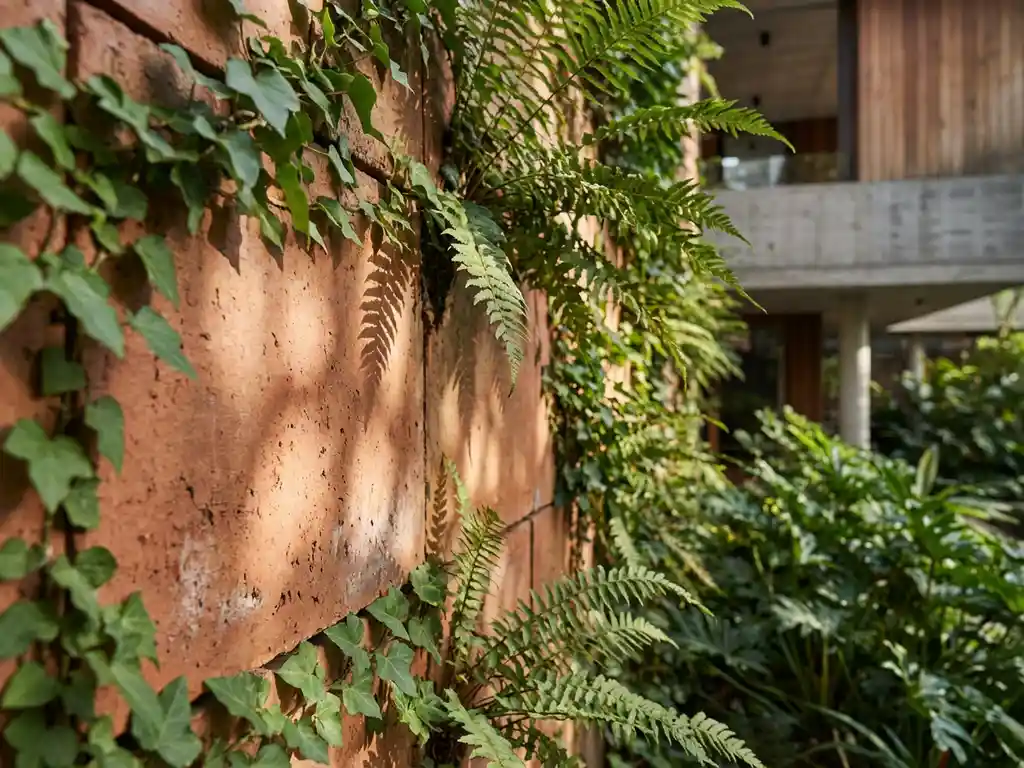
Biophilic design integrates natural elements into built environments to create healthier, more productive spaces that connect occupants with nature. Terracotta facades support this approach through their natural clay composition, earth-toned aesthetics, and organic textures that mirror natural materials. These ceramic facade systems provide thermal regulation, visual warmth, and tactile qualities that enhance the human connection to nature while delivering sustainable building performance.
What is biophilic design and why does it matter for modern architecture?
Biophilic design is an architectural approach that incorporates natural elements, materials, and patterns into built environments to strengthen the human–nature connection. This design philosophy recognises that humans have an innate affinity for nature and seeks to satisfy this need through the thoughtful integration of natural materials architecture and nature-inspired elements.
The psychological and physiological benefits for building occupants are substantial. Natural light, organic textures, and earth-based materials reduce stress hormones, improve cognitive function, and enhance overall wellbeing. Studies consistently show that biophilic environments increase productivity, creativity, and satisfaction amongst users.
Modern architecture increasingly embraces biophilic principles as urbanisation intensifies and people spend more time indoors. Architects recognise that sustainable building materials and nature-inspired design create healthier spaces while addressing environmental concerns. This approach transforms sterile built environments into nurturing spaces that support human health and performance.
How do natural materials like terracotta enhance biophilic design principles?
Natural materials like terracotta create authentic connections to earth elements through their clay composition, organic formation process, and inherent thermal properties. Terracotta facades provide visual and tactile experiences that engage multiple senses, mimicking the textures and colours found in natural landscapes.
The thermal properties of ceramic materials contribute to comfortable indoor environments by naturally regulating temperature fluctuations. This thermal mass effect creates stable interior conditions that mirror the temperature moderation found in natural cave environments or earth-sheltered spaces.
Colour variations in terracotta reflect natural earth tones that humans instinctively associate with stability and comfort. These warm hues range from soft beiges to rich umbers, providing the visual diversity found in natural stone formations and clay deposits. The material’s surface textures can be smooth like river stones or textured like natural rock faces, offering designers flexibility to create varied sensory experiences.
What are the key benefits of using terracotta facades in biophilic architecture?
Terracotta facades deliver multiple advantages that align perfectly with biophilic design goals, combining natural aesthetics with superior building performance. The material’s sustainable building materials credentials include complete recyclability, low embodied energy, and minimal environmental impact during production and disposal.
Durability represents a crucial benefit, with properly installed ceramic facade systems lasting decades without significant maintenance. The material resists UV degradation, weathering, and colour fading while maintaining its natural appearance throughout its lifecycle. This longevity reduces replacement needs and supports sustainable building practices.
Thermal performance characteristics help regulate building temperatures naturally, reducing energy consumption for heating and cooling. The material’s thermal mass stores and releases heat gradually, creating comfortable interior conditions that support occupant wellbeing.
Fire safety properties enhance building security, as ceramic materials are naturally non-combustible and classified as building material class A1. This safety aspect allows architects to specify terracotta facades with confidence in various building types and heights.
How can architects integrate terracotta elements into biophilic building designs?
Architects can maximise biophilic impact through the strategic placement of ceramic tiles and facade elements that create visual connections to natural landscapes. Consider positioning terracotta surfaces where occupants frequently view them, such as entrance areas, common spaces, and areas visible from workstations or relaxation zones.
Colour and texture selection should reflect local natural environments to strengthen place-based connections. Choose earth tones that complement surrounding landscape colours and select surface textures that echo local geological formations or natural materials.
Installation methods for ceramic facade systems allow for creative pattern arrangements that mimic natural formations. Vary tile sizes and orientations to create organic rhythms rather than rigid geometric patterns. Consider incorporating shadow lines and depth variations that change with daylight conditions, similar to natural rock faces.
Combine terracotta elements with other biophilic features such as green walls, natural lighting, and water features to create comprehensive nature-inspired environments. The ceramic surfaces provide a stable backdrop that enhances these dynamic natural elements while contributing their own textural and thermal qualities.
How TONALITY® ceramic facades support biophilic design excellence
TONALITY® ceramic facade systems provide the ideal solution for architects seeking to implement biophilic architecture through high-performance natural materials. These systems combine authentic clay-based composition with advanced manufacturing techniques to deliver superior building performance.
Key advantages for biophilic design applications include:
- Wide range of earth-tone colours and natural surface textures that authentically represent natural materials
- Precise manufacturing tolerances enabling creative installation patterns that mimic organic formations
- Lightweight construction (40 kg per square metre) supporting flexible installation on various building types
- Integrated graffiti protection maintaining natural aesthetics throughout the building lifecycle
- 100% recyclable composition supporting circular economy principles
- A1 fire classification ensuring safety without compromising natural material benefits
The interlocking installation system simplifies construction while enabling architects to focus on design creativity rather than technical complexity. This efficiency supports project timelines while delivering authentic natural material performance that enhances occupant wellbeing through genuine biophilic design principles.
Discover how TONALITY® ceramic facade systems can transform your next biophilic architecture project by exploring our comprehensive range of colours, textures, and installation solutions designed specifically for nature-inspired building design.
Related Articles
- What is the expected lifespan of ceramic facade panels?
- Which facade renovation mistakes can cause structural damage?
- Should commercial buildings use terracotta or metal cladding?
- What technical questions should architects ask terracotta manufacturers?
- What questions should architects ask terracotta manufacturers?