

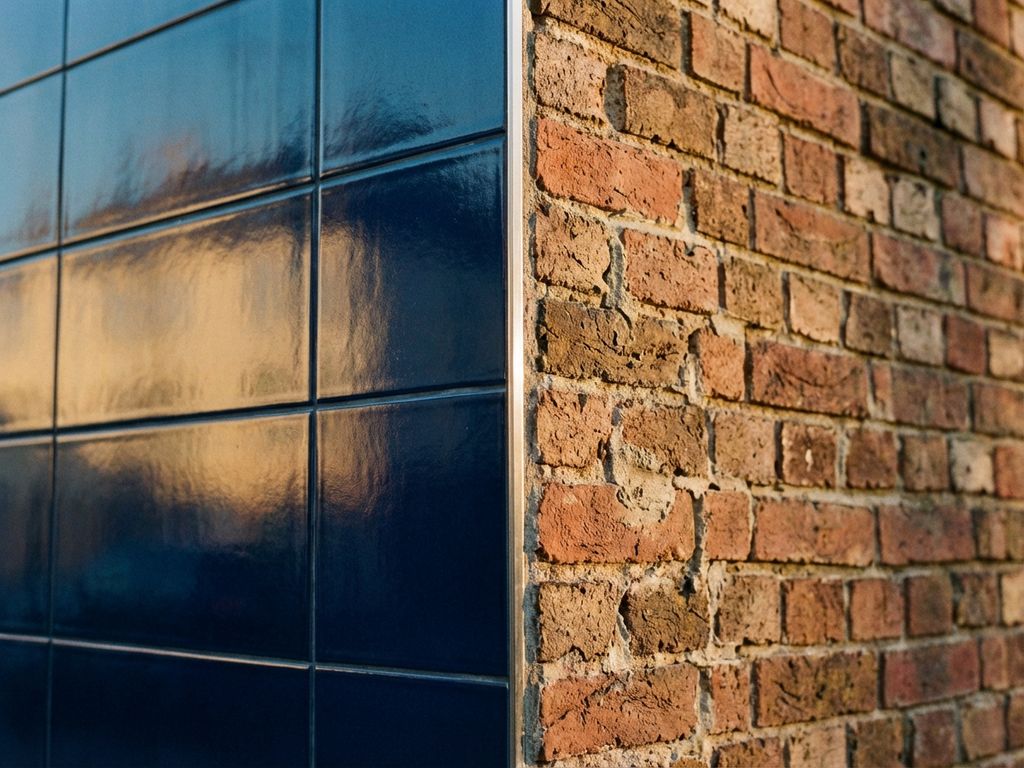
Ceramic facades offer significant advantages over traditional cladding materials through advanced manufacturing processes and superior material properties. Unlike conventional options such as brick, stone, or metal, ceramic facades provide exceptional durability, weather resistance, and design flexibility. The key differences lie in their composition, installation methods, performance characteristics, and long-term value proposition for building projects.
What exactly are ceramic facades and how do they differ from traditional materials?
Ceramic facades are engineered building cladding systems made from fired clay materials that undergo high-temperature manufacturing processes. Unlike traditional materials such as brick, natural stone, metal panels, or fiber cement, ceramic facades are manufactured under controlled conditions at temperatures exceeding 1,200 degrees Celsius, creating exceptionally dense and durable surfaces.
The fundamental difference lies in their material composition and manufacturing precision. Traditional brick relies on basic firing processes, while natural stone varies in quality and porosity. Metal cladding requires protective coatings that degrade over time, and fiber cement can be susceptible to moisture absorption. Ceramic facades, however, achieve consistent density and virtually zero water absorption through their high-temperature manufacturing process.
Ceramic facades offer superior surface characteristics compared to conventional materials. The manufacturing process creates perfectly smooth, non-porous surfaces that resist staining, weathering, and biological growth. Traditional materials often develop patina, require regular cleaning, or show wear patterns that ceramic facades simply do not experience.
Why do ceramic facades last longer than traditional cladding systems?
Ceramic facades demonstrate exceptional longevity due to their inherent material stability and resistance to environmental degradation. The high-temperature firing process creates a molecular structure that remains stable across extreme temperature variations, UV exposure, and weather cycles that typically damage traditional materials.
Traditional cladding materials face various degradation challenges. Natural stone can develop cracks from freeze-thaw cycles, metal panels suffer from corrosion and coating failure, while brick mortar joints require regular maintenance. Timber cladding needs frequent treatment and replacement, and composite materials can fade or become brittle under UV exposure.
The maintenance requirements differ dramatically between ceramic and traditional facades. Ceramic surfaces require minimal maintenance beyond occasional cleaning, while traditional materials often need regular sealing, painting, pointing, or protective treatments. This translates to significantly lower lifecycle maintenance costs and reduced building disruption over decades of use.
How does the installation process differ between ceramic and traditional facades?
Ceramic facade installation utilizes lightweight mounting systems that differ significantly from traditional masonry or heavy cladding approaches. Modern ceramic panels are approximately 30% lighter than conventional ceramic materials, allowing for more flexible structural requirements and faster installation timelines.
Traditional brick installation requires substantial structural support, wet trades, and weather-dependent mortar curing. Stone cladding demands heavy-duty fixing systems and precise structural calculations. Metal panel systems need thermal movement joints and careful weatherproofing details that can complicate installation.
Ceramic facade systems employ dry-fix mounting methods that allow for rapid installation regardless of weather conditions. Precision manufacturing enables millimeter-accurate fitting, reducing on-site cutting and waste. Installation teams can complete ceramic facade work more quickly than with traditional methods, reducing project timelines and labor costs while achieving superior weather protection during construction.
What are the real costs of ceramic facades versus traditional cladding?
Ceramic facades typically involve higher initial material costs but deliver superior long-term value through reduced maintenance, longer lifespan, and enhanced building performance. The total cost of ownership often favors ceramic systems when evaluated over 25–50-year building lifecycles.
Traditional materials may appear more economical initially, but hidden costs accumulate over time. Brick facades require periodic repointing and cleaning, stone may need sealing and repair, while metal cladding often requires recoating or replacement after 15–20 years. These maintenance interventions involve scaffolding, specialist trades, and building disruption costs.
The installation cost comparison reveals additional advantages for ceramic systems. Faster installation reduces labor costs and project duration, while the lightweight nature may allow for reduced structural requirements. Traditional heavy materials often necessitate enhanced foundation and frame specifications that increase overall project costs beyond the apparent material savings.
Which facade type performs better in different climate conditions?
Ceramic facades excel across diverse climate conditions due to their stable material properties and thermal performance characteristics. The non-porous surface prevents moisture penetration, while thermal stability ensures consistent performance from arctic conditions to tropical environments.
In freeze-thaw climates, ceramic facades outperform traditional materials that can suffer from water ingress and expansion damage. Brick mortar joints are particularly vulnerable, while natural stone can develop stress fractures. Ceramic surfaces shed water effectively and maintain structural integrity through repeated freeze-thaw cycles.
Hot climate performance favors ceramic facades through superior UV stability and thermal management. Traditional materials like metal can create thermal bridges and require thermal breaks, while some composite materials degrade under intense UV exposure. Ceramic facades maintain their appearance and performance characteristics regardless of temperature extremes or solar exposure intensity.
How TONALITY® revolutionizes ceramic facade performance
TONALITY® delivers advanced ceramic facade solutions that exceed traditional material performance through innovative manufacturing processes and comprehensive customization options. Our high-temperature firing process at over 1,200 degrees Celsius creates unparalleled surface density and durability.
Our ceramic facade systems offer distinct advantages:
- Millimeter-precise manufacturing from 150 × 300 mm to 400 × 1,600 mm formats
- Over 2,700 surface and color combinations for unlimited design flexibility
- 30% weight reduction compared to conventional ceramic elements
- 100% recyclable materials with complete disassembly capability
- Maintenance-free surfaces with permanent color stability
Ready to explore how TONALITY® ceramic facades can enhance your next project? Contact our technical team for personalized consultation on design possibilities, performance specifications, and installation requirements tailored to your specific building needs.
Related Articles
- How do architects create parametric designs with terracotta facades?
- 7 Facade Materials Compared: 50-Year Total Cost of Ownership
- What technical questions should architects ask terracotta manufacturers?
- What questions should architects ask terracotta manufacturers?
- 6 Advantages of Terracotta Over Fiber Cement Cladding