

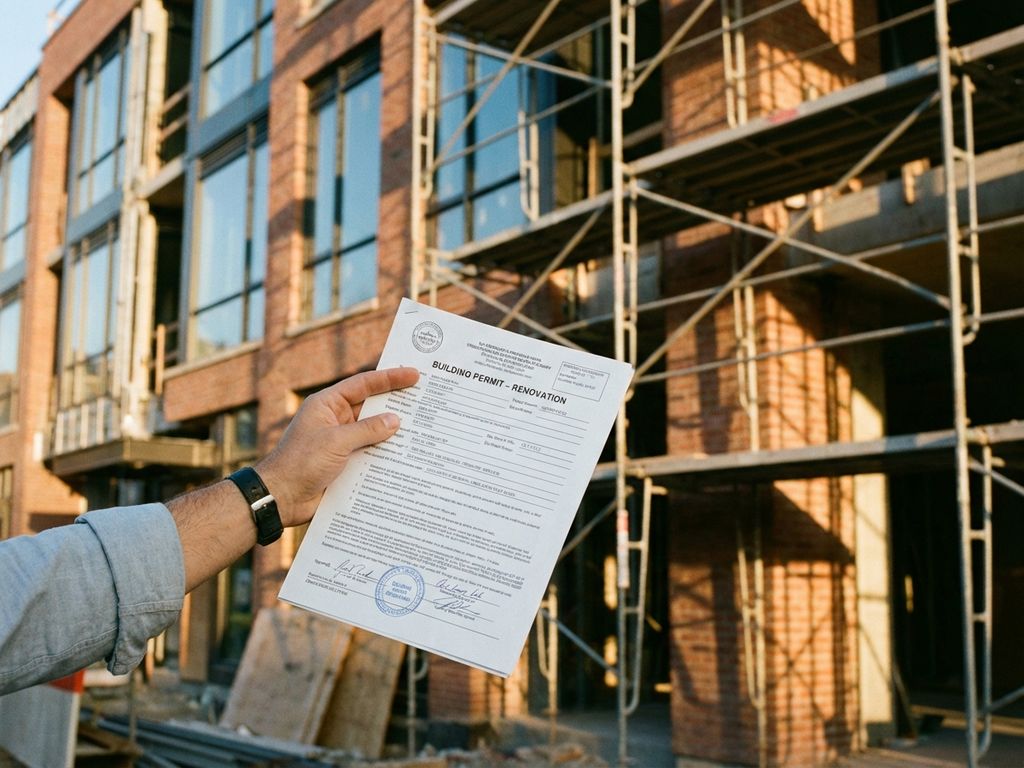
Facade renovation permits in 2026 require careful planning and compliance with building regulations. Most Fassadensanierung projects need building permits, especially when they involve structural changes or material replacements. The specific requirements vary by location and scope, but understanding the process ensures smooth project completion and regulatory compliance.
What building permits are actually required for facade renovations in 2026?
Building permits are mandatory for most facade renovation projects that involve structural modifications, material changes, or alterations to the building’s external appearance. Planning permission is typically required when replacing existing facade materials, installing new cladding systems, or making changes that affect the building’s structural integrity.
The permit requirements differ based on the scope of your Fassadensanierung project. Minor repairs such as painting or cleaning existing surfaces usually do not require permits. However, installing new ceramic facade systems, changing window configurations, or adding insulation typically requires full building consent. Local planning authorities also consider whether your building is listed or located in a conservation area, which adds additional layers of approval.
Federal regulations focus on structural safety and energy efficiency standards, while state and local authorities handle aesthetic guidelines and zoning compliance. Ceramic facade installations often require engineering assessments to verify load-bearing capacity and thermal performance. We recommend consulting your local planning office early in the design phase to understand the specific requirements for your location and project type.
How long does the facade renovation permit approval process take?
The permit approval process typically takes 4–8 weeks for standard facade renovation projects. Complex installations involving structural changes or listed buildings can extend to 12–16 weeks. Processing times depend on application completeness, local authority workload, and seasonal variations in submission volumes.
Planning departments experience higher workloads during the spring and summer months when construction activity peaks. Submitting applications during autumn or winter often results in faster processing times. The approval timeline also depends on whether your project requires additional consultations with heritage officers, structural engineers, or neighbouring property owners.
You can expedite the process by submitting complete applications with all required documentation upfront. Pre-application consultations with planning officers help identify potential issues before formal submission. Some authorities offer fast-track services for straightforward projects, reducing approval times to 2–3 weeks for an additional fee. Building control approval runs in parallel with planning permission and typically adds another 2–4 weeks to the overall timeline.
What documentation do you need to submit for facade permit applications?
Permit applications require architectural drawings, structural calculations, material specifications, and energy efficiency assessments. You must submit detailed plans showing existing and proposed facades, cross-sections, and elevation drawings. Engineering reports verify that new facade systems meet building code requirements for wind loads and thermal performance.
The essential documentation includes site location plans, existing building surveys, and detailed installation drawings for your chosen facade system. Ceramic facade applications require manufacturer specifications, fixing detail drawings, and thermal bridging calculations. You will also need structural engineer reports confirming that the building can support the new facade weight and wind loading.
Energy efficiency documentation demonstrates compliance with current building regulations. This includes thermal performance calculations, condensation risk assessments, and air permeability testing results. Listed buildings require heritage impact statements and conservation officer approval. Some authorities request 3D visualisations or photomontages showing how the new facade integrates with surrounding buildings. Professional facade systems often come with pre-approved technical documentation that simplifies the application process.
Why do some facade renovation projects have their permit applications rejected?
Applications are rejected primarily due to incomplete documentation, building code non-compliance, or aesthetic conflicts with local planning policies. Missing structural calculations, inadequate energy efficiency assessments, or insufficient detail drawings are common reasons for refusal. Zoning violations and heritage conservation conflicts also lead to application rejection.
Technical specification issues frequently cause problems when proposed materials do not meet fire safety standards or thermal performance requirements. Planning officers reject applications that lack proper wind load calculations or fail to address condensation risks. Poor integration with existing architecture or inappropriate material choices for the local context also result in refusal.
Avoiding rejection requires thorough preparation and professional expertise. Engage qualified architects and structural engineers who are familiar with local planning requirements. Pre-application discussions with planning officers help identify potential concerns before formal submission. Ensure all calculations comply with current building codes and that proposed materials have appropriate certifications. Consider the visual impact on neighbouring properties and local character when selecting facade materials and colours. Complete applications with professional drawings and comprehensive technical documentation significantly improve the chances of approval.
Understanding permit requirements and preparing comprehensive applications ensures successful facade renovation projects. Professional guidance from architects and planning consultants helps navigate complex regulations and avoid common pitfalls. Starting the permit process early allows adequate time for approvals and any necessary revisions, keeping your Fassadensanierung project on schedule and within budget. For additional support throughout your renovation journey, consider consulting with experienced facade specialists who can provide expert guidance on both technical requirements and permit applications.
Related Articles
- Can ceramic facades improve building energy efficiency?
- What are the benefits of ceramic facades for buildings?
- Does vertical or horizontal terracotta orientation affect building perception?
- 5 Stunning Examples of Terracotta Combined with Glass, Steel, and Wood
- What fire safety ratings do terracotta facade panels have?