

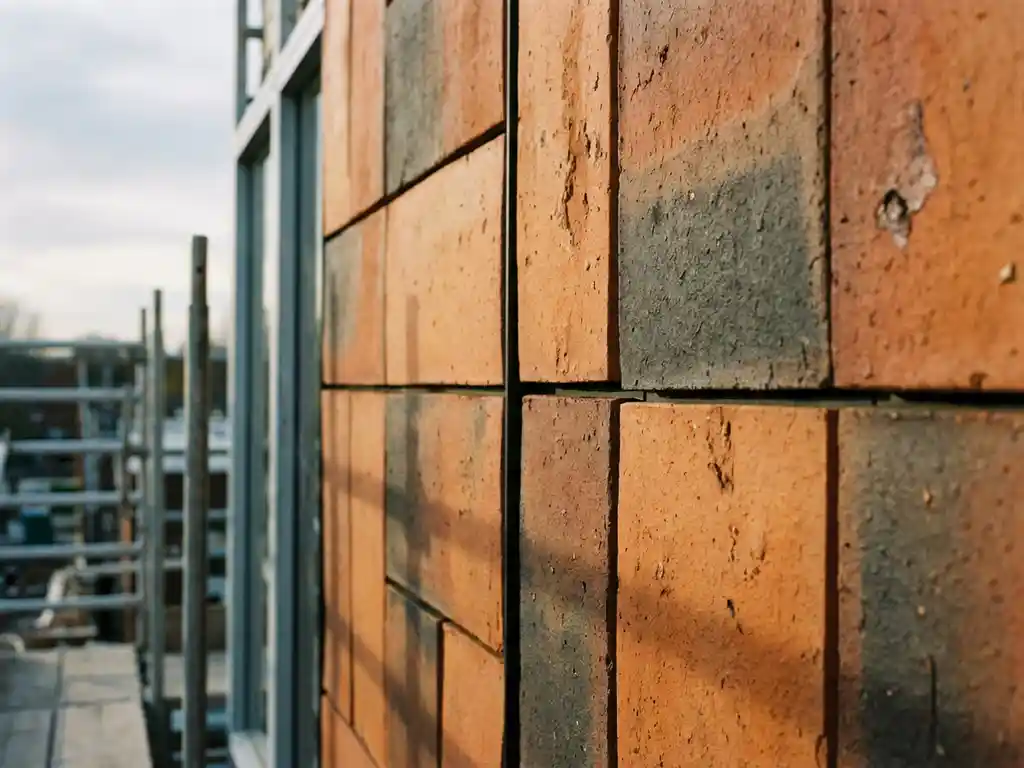
Movement joints in terracotta cladding should be positioned at maximum 12-metre intervals horizontally and 6-metre intervals vertically to accommodate thermal expansion and contraction. Strategic placement at floor levels, around openings, and at structural breaks prevents cracking and ensures long-term façade performance. Proper joint spacing depends on climate conditions, building orientation, and material properties.
What are movement joints and why do terracotta façades need them?
Movement joints are deliberate gaps in façade systems designed to accommodate thermal expansion and contraction of building materials. Terracotta and ceramic cladding materials expand when heated and contract when cooled, creating stress within the façade system if not properly managed.
Terracotta materials experience significant dimensional changes due to temperature fluctuations throughout the day and across seasons. Without adequate movement joints, this thermal movement creates internal stresses that can lead to cracking, buckling, or complete failure of ceramic cladding installations. The joints allow each section of cladding to move independently while maintaining weatherproof performance.
Movement joints serve multiple critical functions in terracotta façade construction. They prevent structural damage by relieving thermal stress, accommodate building settlement and structural movement, and provide weatherproofing through properly designed sealing systems. This planning prevents costly repairs and ensures the façade maintains its aesthetic appearance over decades of service.
Where should horizontal movement joints be positioned in terracotta cladding?
Horizontal movement joints should be placed at maximum 12-metre intervals along the façade height, with mandatory positioning at each floor level and around window openings. This spacing prevents excessive thermal stress accumulation while coordinating with structural elements.
Floor-to-floor positioning represents the most practical approach for horizontal joint placement. This alignment coordinates with structural elements and provides logical visual breaks in the façade design. Around openings such as windows and doors, joints should be positioned to allow independent movement of cladding panels without transferring stress to the opening frames.
Building height significantly influences joint spacing requirements. Taller structures experience greater thermal movement ranges and require more frequent horizontal joints. In extreme climates or on south-facing elevations, reducing maximum spacing to 8–10 metres may be necessary to handle increased thermal cycling and temperature differentials.
How do you determine vertical movement joint spacing in ceramic façades?
Vertical movement joint spacing typically requires placement every 6 metres horizontally across the façade width, though this varies based on panel dimensions and thermal exposure. Coordination with structural expansion joints and building geometry determines optimal positioning.
Maximum panel lengths between vertical joints depend on the ceramic material properties and expected temperature ranges. Longer uninterrupted façade runs accumulate more thermal stress and require closer joint spacing. The substrate material also influences movement requirements, as different backing systems expand at different rates than the ceramic cladding.
Thermal bridging effects must be considered when determining vertical joint placement. Areas with reduced insulation or structural connections experience different thermal cycles than well-insulated sections. These thermal bridges often require additional joints or modified spacing to accommodate localised movement patterns.
Structural coordination ensures that façade movement joints align with or accommodate building expansion joints. This prevents conflicting movement patterns that could damage the cladding system or compromise weather-sealing performance.
What factors influence movement joint placement in terracotta systems?
Climate conditions represent the primary factor influencing movement joint requirements, with extreme temperature variations, solar exposure, and thermal cycling patterns determining spacing needs. Building orientation, material properties, and seismic considerations also significantly affect joint-planning decisions.
Solar orientation dramatically affects thermal movement requirements. South-facing elevations experience the greatest temperature swings and require closer joint spacing than north-facing walls. Wind exposure also influences thermal cycling, as exposed façades cool more rapidly than sheltered elevations.
Material properties of both the terracotta cladding and substrate system determine movement compatibility. Different materials expand at different rates, requiring joints to accommodate differential movement. The coefficient of thermal expansion for ceramic materials differs significantly from steel or concrete substrates.
Seismic considerations in earthquake-prone regions require enhanced movement joint design to accommodate ground motion. These joints must handle both thermal movement and seismic displacement while maintaining weather sealing. Architectural design requirements often influence joint visibility and detailing approaches.
Substrate movement from structural deflection, settlement, or moisture changes requires accommodation through the joint system. Timber substrates experience seasonal movement patterns different from masonry or steel-frame construction.
How TONALITY® simplifies movement joint planning in ceramic façades
TONALITY® provides comprehensive movement joint solutions through integrated façade system design and pre-engineered joint details that eliminate guesswork from planning and installation. The system includes technical support services and detailed installation guidelines for optimal performance.
TONALITY® simplifies movement joint implementation through:
- Pre-calculated joint spacing recommendations based on climate zones and building orientation
- Integrated sealing systems designed specifically for ceramic façade applications
- Technical drawings and installation details for various joint configurations
- Expert consultation services for complex building geometries and challenging installations
- Quality assurance protocols ensuring proper joint performance and longevity
The TONALITY® system coordination eliminates compatibility issues between cladding materials and joint components while ensuring weather-sealing integrity. This comprehensive approach reduces installation time and prevents common joint failures that compromise façade performance.
For detailed movement joint planning guidance specific to your project requirements, contact TONALITY® technical specialists, who can provide customised solutions and installation support.
Related Articles
- How to maintain terracotta facade systems?
- How does terracotta contribute to BREEAM certification in European projects?
- What acoustic benefits do terracotta facades provide?
- How does terracotta compare to natural stone for facade weight?
- What is embodied carbon and how does terracotta compare to metal facades?