

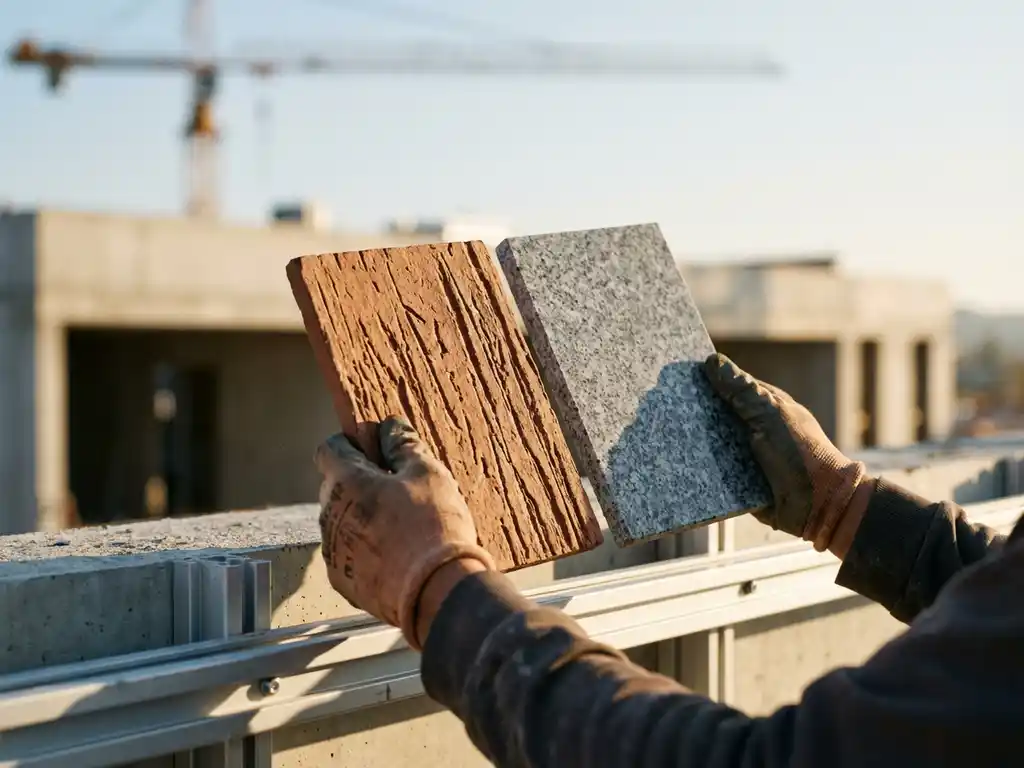
Terracotta facades typically weigh 40–60 kilograms per square metre, while natural stone facades range from 80–150 kilograms per square metre, making terracotta significantly lighter. This weight difference affects structural requirements, installation complexity, and overall building design considerations. Understanding these differences helps architects and builders make informed decisions about facade material selection.
What are the actual weight differences between terracotta and natural stone facades?
Terracotta ceramic facades weigh approximately 40–60 kilograms per square metre, while natural stone facades typically range from 80–150 kilograms per square metre. This means natural stone can weigh up to three times more than terracotta alternatives.
The weight variation in natural stone depends on the specific type selected. Granite and dense limestone reach the higher end of the weight spectrum, while sandstone and certain limestone varieties fall towards the lower range. Terracotta’s consistent manufacturing process creates more predictable weight specifications across different formats and finishes.
Ceramic facade systems achieve their lighter weight through controlled porosity during the firing process. The high-temperature sintering creates a dense surface while maintaining an optimal strength-to-weight ratio. Natural stone weight varies based on mineral composition, density, and quarrying location, making weight calculations more complex during project planning.
How do weight differences affect structural requirements and installation costs?
Lighter terracotta facades require significantly less structural support than natural stone, reducing substructure requirements by up to 50%. This weight reduction allows for lighter steel frameworks and simplified foundation designs, particularly beneficial for timber construction projects.
The reduced structural load translates to material savings throughout the building system. Lighter facades enable architects to specify smaller steel sections, reduce concrete requirements, and simplify connection details. These structural simplifications streamline the construction process and reduce installation time.
Installation becomes more manageable with lighter materials, requiring fewer crane operations and reducing manual handling risks. The weight difference also impacts transportation logistics, allowing more facade elements per delivery and reducing overall project transportation requirements. These factors contribute to more efficient project scheduling and resource allocation.
Which facade material performs better in different climate conditions?
Terracotta demonstrates superior thermal performance due to its lower thermal mass and controlled expansion properties. The ceramic material handles temperature fluctuations more effectively than natural stone, experiencing minimal thermal movement and reduced stress cracking.
Natural stone’s higher mass creates greater thermal inertia, leading to more significant expansion and contraction cycles. This thermal movement requires larger expansion joints and more complex detailing to prevent structural issues. Dense stones like granite are particularly susceptible to thermal stress in extreme temperature variations.
Moisture absorption varies significantly between materials. Well-fired terracotta exhibits minimal water absorption, typically below 3%, while natural stone absorption ranges from 0.5% to 15% depending on the stone type. Lower absorption rates contribute to better freeze-thaw resistance and reduced maintenance requirements in harsh climates.
What are the maintenance requirements for terracotta versus natural stone facades?
Terracotta facades require minimal ongoing maintenance due to their non-porous surface and integrated colour stability. The material resists staining, weathering, and biological growth, typically needing only periodic cleaning with standard facade washing systems.
Natural stone maintenance varies considerably by stone type and finish. Porous stones require regular sealing treatments, typically every 5–10 years, while polished surfaces may need refinishing to maintain their appearance. Stone facades are more susceptible to staining from atmospheric pollutants and require specialised cleaning techniques.
Repair considerations differ substantially between materials. Terracotta elements can be individually replaced without affecting surrounding panels, while stone repairs often require skilled stonemasons and may not achieve perfect colour matching. The predictable performance of ceramic materials allows for better lifecycle planning and maintenance budgeting.
How TONALITY® ceramic facades solve facade weight challenges
TONALITY® ceramic facade systems address weight concerns through advanced manufacturing techniques that create exceptionally light yet durable facade elements. The single-layer production process and optimised ceramic composition deliver superior performance while minimising structural demands.
Key advantages include:
- Surface weight of approximately 40 kg/m² reduces structural requirements
- Interlocking aluminium profiles enable quick, efficient installation
- A1 fire classification provides excellent safety performance
- 100% recyclable materials support sustainable construction practices
- Precise manufacturing tolerances ensure consistent installation quality
The lightweight design particularly benefits timber construction projects, where reduced facade weight enables more flexible structural solutions. The simplified installation system reduces construction time while maintaining exceptional durability and aesthetic performance. Contact our technical team to explore how TONALITY® ceramic facades can optimise your next project’s structural and performance requirements.
Related Articles
- What is biophilic design and how does terracotta support it?
- What are the main principles of good architectural design?
- What are the cost differences between terracotta installation methods?
- What technical questions should architects ask terracotta manufacturers?
- How to mount terracotta cladding on concrete walls?