

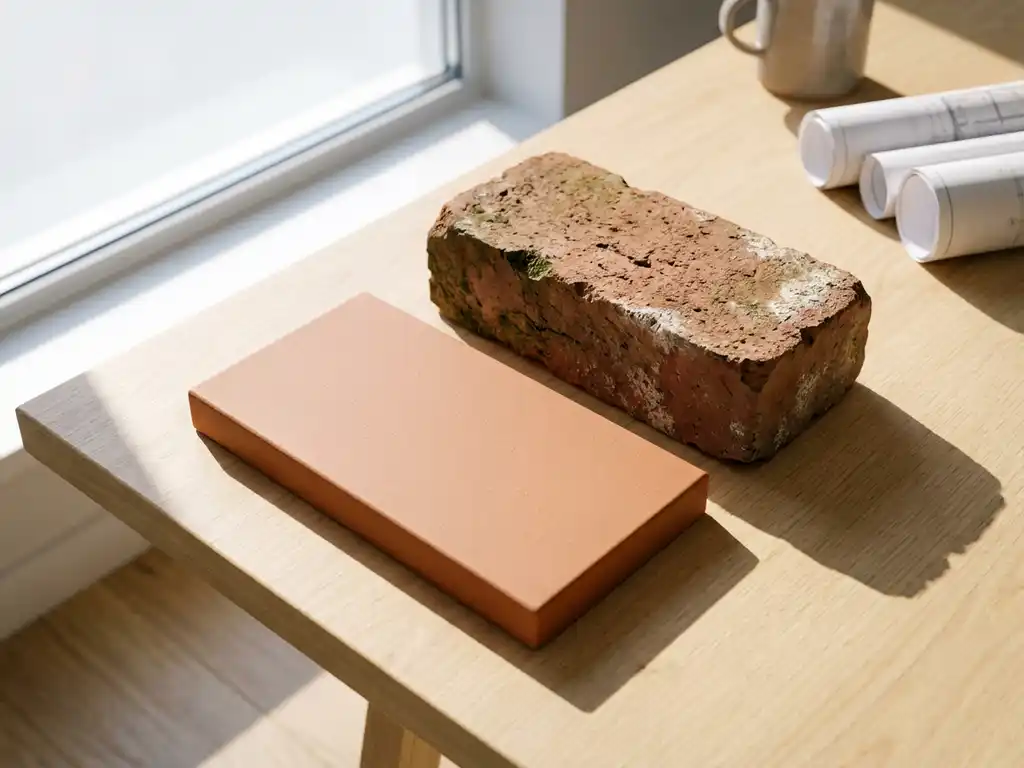
The construction industry faces increasing pressure to balance fire safety requirements with environmental responsibility. Modern building projects must meet stringent fire codes while reducing carbon footprints and supporting circular economy principles. This challenge has sparked innovation in sustainable building materials that deliver both exceptional fire resistance and environmental benefits.
Understanding how sustainable fire-resistant materials compare with traditional options helps architects, builders, and property owners make informed decisions that protect both people and the planet. The performance gap between conventional and sustainable solutions continues to narrow, with many eco-friendly alternatives now outperforming traditional materials in key areas.
What makes building materials fire-resistant and sustainable?
Fire-resistant, sustainable building materials combine non-combustible properties with environmentally responsible production methods and end-of-life recyclability. These materials achieve fire safety through their inherent chemical composition or through manufacturing processes that eliminate combustible components while minimizing environmental impact throughout their lifecycle.
Fire resistance stems from several key characteristics. Materials classified as A1 under European standards contain no organic matter that can ignite or contribute to fire spread. Their molecular structure remains stable at high temperatures, preventing thermal degradation that could compromise structural integrity. Manufacturing processes such as high-temperature sintering create dense, non-porous surfaces that resist flame penetration.
Sustainability factors include renewable or abundant raw material sources, energy-efficient production methods, and full recyclability. The best sustainable building materials require minimal maintenance over their lifespan, reducing the need for replacement or chemical treatments. Local sourcing reduces transportation emissions, while manufacturing processes that use naturally occurring geological materials minimize environmental disruption.
How do ceramic facades compare to traditional materials for fire safety?
Ceramic facades significantly outperform traditional materials in fire safety due to their A1 non-combustible classification and a manufacturing process that involves sintering at temperatures exceeding 1,200 degrees Celsius. Unlike combustible cladding materials, ceramic elements contain no organic components that can ignite or contribute to fire spread.
Traditional facade materials present varying fire risks. Aluminum composite panels with polyethylene cores can contribute to rapid fire spread, as demonstrated in several high-profile building fires. Timber cladding, while aesthetically appealing, requires chemical treatments to achieve fire resistance, which can degrade over time. Vinyl siding melts and releases toxic fumes when exposed to high temperatures.
The high-temperature manufacturing process used for ceramic facades creates inherent fire resistance that cannot deteriorate. Sintering eliminates any combustible materials and creates a dense, stable structure that maintains its integrity even under extreme heat. This contrasts with treated materials, where fire-resistant coatings or chemical additives may lose effectiveness over time due to weathering or UV exposure.
What are the environmental benefits of sustainable fire-resistant materials?
Sustainable fire-resistant materials offer full recyclability, reduced maintenance requirements, and lower lifecycle carbon footprints compared with traditional alternatives. These materials eliminate the need for chemical fire retardants while supporting circular economy principles through component-level deconstruction and reuse.
The environmental advantages extend throughout the material lifecycle. Production using abundant natural resources such as clay reduces dependence on finite materials. Manufacturing processes that use high-temperature firing create permanent material properties without ongoing chemical treatments. The resulting products require no maintenance chemicals, coatings, or preservatives that could affect indoor air quality or environmental systems.
End-of-life benefits include complete material recovery and reuse potential. Unlike composite materials that require energy-intensive separation processes, sustainable fire-resistant materials can be deconstructed and sorted by component type. This eliminates landfill waste and reduces demand for new raw materials. The permanent nature of properties such as fire resistance and UV stability means recycled materials retain their performance characteristics through multiple use cycles.
Which fire-resistant materials offer the best long-term performance?
Ceramic facade systems deliver superior long-term performance through permanent fire resistance, integrated graffiti protection, and maintenance-free operation over decades. The sintered ceramic structure provides lasting color stability, UV resistance, and structural integrity without degradation or performance loss over time.
Performance longevity depends on material stability and maintenance requirements. Ceramic materials maintain a consistent appearance and fire-resistance properties throughout their service life. The dense, non-porous surface resists weathering, pollution, and biological growth without requiring cleaning chemicals or protective coatings. Color and surface properties remain unchanged after years of UV exposure and temperature cycling.
Comparative analysis reveals significant performance differences. Steel requires ongoing corrosion protection and fire-resistant coatings that need periodic renewal. Treated timber facades need regular inspection and retreatment to maintain fire resistance. Composite materials may experience delamination or degradation of fire-resistant additives. In contrast, ceramic facades provide consistent performance with minimal intervention, making them ideal for long-term building strategies focused on total cost of ownership rather than initial investment.
How TONALITY® Delivers Superior Fire-Resistant, Sustainable Performance
TONALITY® ceramic facade systems combine exceptional fire safety with outstanding environmental performance through innovative manufacturing and design. Our ceramic elements achieve A1 non-combustible classification while offering full recyclability and maintenance-free operation.
- A1 fire classification with no combustible components for maximum safety
- Sintering process at over 1,200°C creates permanent fire-resistance properties
- 100% recyclable ceramic elements support circular economy principles
- Lightweight design reduces substructure requirements for timber construction
- Integrated graffiti protection and UV resistance eliminate maintenance needs
- Component-level deconstruction enables complete material reuse
Our ceramic facade systems deliver long-term value through permanent performance characteristics and environmental responsibility. Contact our technical team to discover how TONALITY® can enhance your next project’s fire safety and sustainability profile, or explore our project references to see successful implementations.
Related Articles
- What permits are required for facade renovation in 2026?
- Are ceramic facades suitable for all climates in 2026?
- What is an EPD (Environmental Product Declaration) and why should specifiers care?
- 5 Things to Look for When Evaluating Terracotta Samples
- Wie läuft ein Schulgebäude Sanierungsprojekt von der Planung bis zur Fertigstellung ab?