

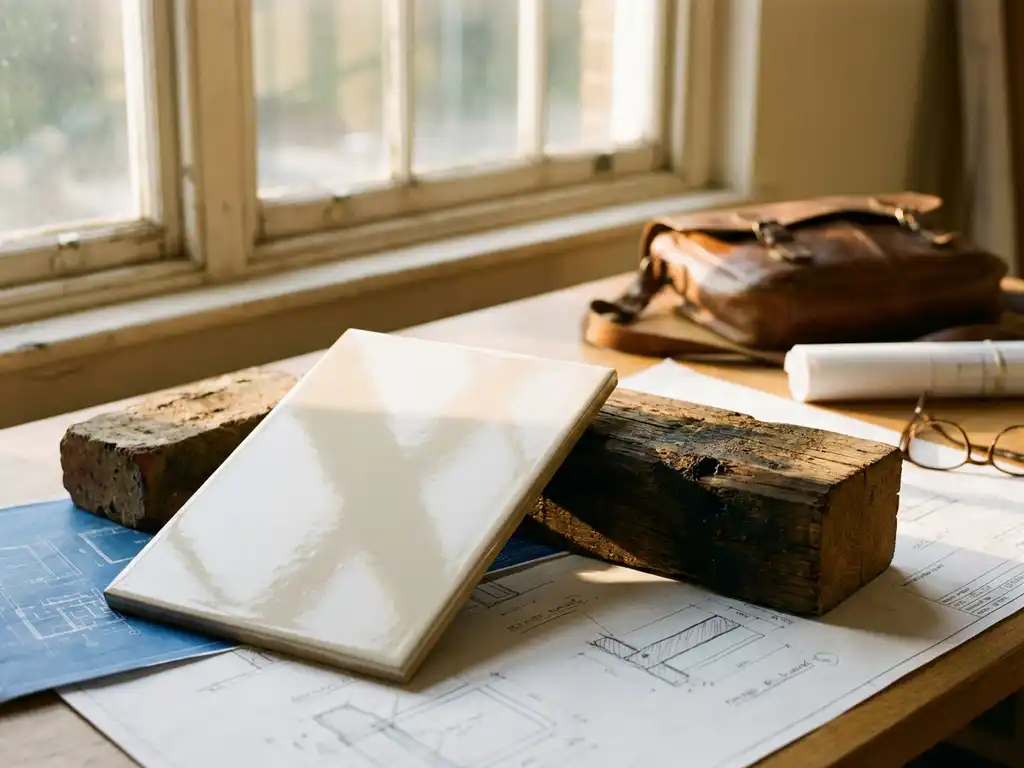
Building owners and developers increasingly recognize that sustainable building materials offer more than environmental benefits. These materials create significant long-term value through reduced maintenance requirements, extended lifespans, and lower operating costs. Understanding how sustainable facade materials specifically affect maintenance expenses helps property owners make informed decisions that benefit both their budgets and the environment.
The connection between sustainability and maintenance efficiency stems from the inherent properties of high-quality, sustainable materials. When facade materials are designed for longevity and performance, they naturally require less frequent repairs, replacements, and ongoing care throughout their service lives.
What makes facade materials sustainable and low-maintenance?
Sustainable facade materials combine environmental responsibility with durability through advanced manufacturing processes and natural material properties. These materials resist weathering, maintain structural integrity for decades, and require minimal intervention throughout their service lives.
The key characteristics that make facade materials both sustainable and low-maintenance include inherent weather resistance, dimensional stability, and non-degrading surface properties. High-quality sustainable materials undergo manufacturing processes that eliminate weak points and create uniform, dense structures. This approach results in facades that maintain their appearance and performance without frequent maintenance interventions.
Additionally, sustainable facade materials often feature integrated protective properties such as UV resistance, moisture barriers, and surface treatments that prevent common maintenance issues. The combination of these features creates a facade system that performs consistently while minimizing environmental impact through reduced maintenance activities and longer replacement cycles.
How do ceramic facades reduce long-term maintenance costs?
Ceramic facades reduce long-term maintenance costs through their non-porous surfaces, permanent color stability, and resistance to environmental damage. The high-temperature firing process creates dense, impermeable surfaces that prevent moisture infiltration and eliminate common maintenance needs such as sealing or surface treatments.
The manufacturing process for high-quality ceramic facades involves firing at temperatures exceeding 1,200 degrees Celsius, which creates a vitrified surface that resists staining, weathering, and biological growth. This reduces the need for regular cleaning cycles, protective coatings, or surface restoration work that other facade materials require. The uniform density also helps prevent thermal expansion issues that can cause cracking or joint failures in traditional materials.
Ceramic facades also provide integrated graffiti protection and permanent UV resistance, eliminating two major sources of facade maintenance costs. Their non-combustible properties, classified as building material class A1, reduce fire-safety maintenance requirements and can positively affect insurance considerations. These combined benefits create substantial cost savings over the building’s lifecycle while maintaining consistent aesthetic performance.
What’s the difference between ceramic and traditional facade materials in maintenance?
Ceramic facades require minimal maintenance compared to traditional materials such as wood, metal, or concrete, which need regular treatments, coatings, and repairs. While traditional facades often require maintenance every 3–5 years, ceramic facades can maintain their performance and appearance for decades without intervention.
Traditional facade materials typically require ongoing maintenance cycles, including repainting, sealing, rust treatment, or surface restoration. Wood facades need regular staining or painting to prevent rot and weathering. Metal facades require coating maintenance to prevent corrosion. Concrete facades often need cleaning, sealing, and crack repair as they age and weather.
In contrast, ceramic facades maintain their original properties throughout their service lives. The fired ceramic surface does not degrade, fade, or require protective treatments. This fundamental difference means that while traditional facades accumulate maintenance costs over time, ceramic facades maintain their performance without ongoing investment, creating significant long-term value.
How much can sustainable facades save on building maintenance over time?
Sustainable facades can reduce building maintenance costs by significant percentages over their lifecycles through eliminated cleaning cycles, reduced repair frequency, and extended replacement intervals. The total cost of ownership advantage becomes more pronounced over longer time periods as traditional materials require multiple maintenance interventions.
The maintenance savings from sustainable facades compound over time because they eliminate recurring costs rather than simply reducing them. Traditional facade materials require regular maintenance cycles that include labor, materials, equipment rental, and building access systems. Sustainable materials eliminate many of these recurring expenses entirely, creating cumulative savings that increase each year.
Beyond direct maintenance cost reductions, sustainable facades provide indirect savings through reduced building downtime, fewer scaffolding requirements, and potentially lower insurance costs. These factors contribute to the overall cost advantage and make sustainable facade materials increasingly attractive for long-term building ownership strategies.
Why do ceramic facades require less structural maintenance than other materials?
Ceramic facades require less structural maintenance due to their low weight, dimensional stability, and resistance to thermal movement. Their lightweight properties reduce structural loads, while their stable material characteristics limit the expansion and contraction cycles that can cause structural stress in heavier facade systems.
The low surface weight of ceramic facades, typically around 40 kilograms per square meter, creates minimal structural demands compared to stone, concrete, or heavy metal panel systems. This reduced loading means less stress on mounting systems, structural connections, and building frameworks over time. The lightweight properties also enable simpler substructure requirements with fewer maintenance points and potential failure modes.
Ceramic materials also resist thermal expansion and moisture-related dimensional changes that create structural stress in other facade systems. This stability helps prevent the gradual loosening of connections, joint failures, and structural fatigue that require ongoing maintenance in traditional facade systems. The result is a facade system that maintains its structural integrity with minimal intervention throughout its service life.
How TONALITY® helps with sustainable facade maintenance
TONALITY® ceramic facades reduce maintenance costs through advanced manufacturing and innovative installation systems that deliver decades of low-maintenance performance. Our ceramic elements undergo specialized sinter-firing processes that create exceptionally smooth, dense surfaces with permanent color and UV resistance.
Key maintenance advantages of TONALITY® systems include:
- Integrated graffiti protection eliminates cleaning and restoration costs
- Non-combustible A1 classification reduces fire-safety maintenance requirements
- Lightweight design minimizes structural maintenance needs
- Precision manufacturing ensures consistent performance without adjustments
- 100% recyclable materials support sustainable building operations
Our interlocking aluminum profile system simplifies installation while creating durable connections that maintain their integrity throughout the building’s lifecycle. You can explore our successful project references to see real-world examples of these maintenance benefits. Contact our technical team to learn how TONALITY® ceramic facades can reduce maintenance costs for your next project while delivering exceptional sustainable performance.
Related Articles
- What are the benefits of sustainable building materials?
- What role do sustainable materials play in LEED certification?
- ADS vs BAS: which terracotta installation method is better?
- How are terracotta facade panels manufactured?
- How have building codes changed for facades in 2026?
Related Articles
- What sustainable materials work best for facades?
- How to Develop Custom Terracotta Colors and Glazes with Manufacturers
- Does vertical or horizontal terracotta panel orientation affect how a building is perceived?
- 8 Questions to Ask Before Specifying Terracotta Facades
- How do you install ceramic facade panels?