

What is biophilic design, and why does it matter in modern architecture?
Biophilic design is an architectural approach that integrates natural elements, materials, and patterns into built environments to strengthen the human connection to nature. This design philosophy recognizes that humans have an innate affinity for the natural world and seeks to incorporate this bond into contemporary buildings and spaces.
Modern architecture increasingly embraces biophilic design because research demonstrates its significant impact on occupant well-being, productivity, and stress reduction. Buildings that incorporate natural materials, organic shapes, and earth-inspired color palettes create environments that feel more comfortable and psychologically restorative. The approach extends beyond simply adding plants to interiors—it encompasses the thoughtful selection of materials, textures, and forms that echo patterns found in nature.
In today’s urbanized world, where people spend over 90% of their time indoors, biophilic architecture serves as a crucial bridge between our built and natural environments. This design philosophy supports both human health and environmental sustainability by encouraging the use of natural, locally sourced materials that age gracefully and require minimal maintenance over their lifecycle.
How does terracotta connect buildings to nature?
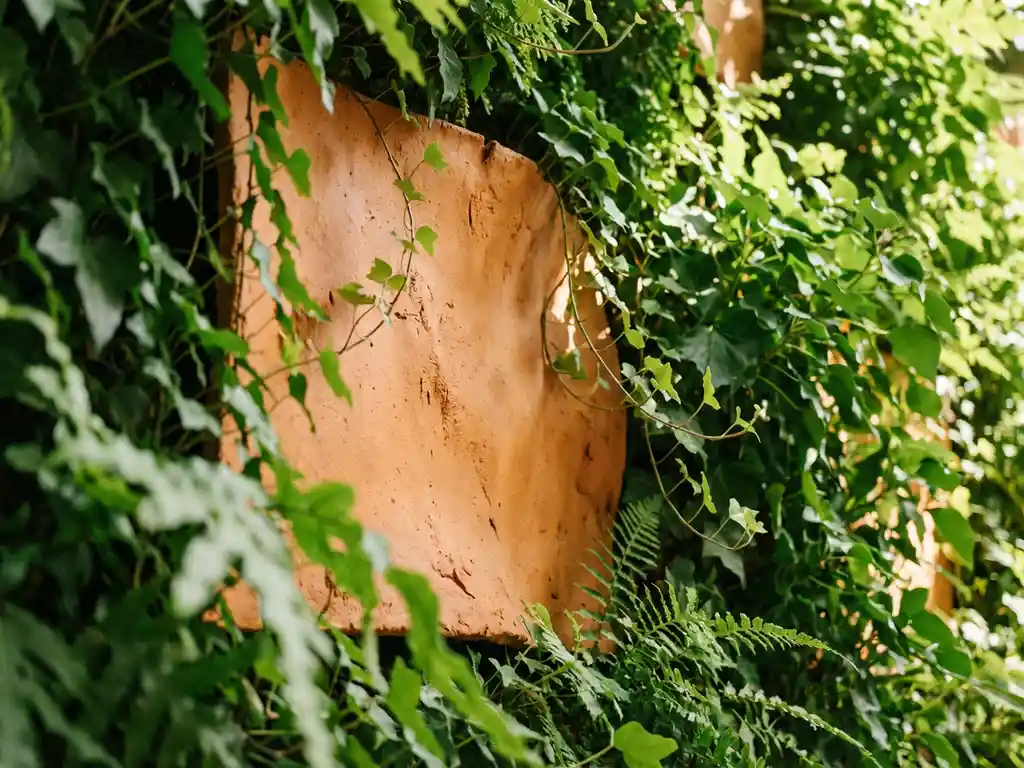
Terracotta connects buildings to nature through its earth-based composition, organic textures, and warm color variations that mirror natural landscapes. Made from clay—one of the earth’s most abundant natural materials—terracotta facades create an immediate visual and tactile link to the natural world that synthetic materials cannot replicate.
The natural firing process that creates terracotta produces subtle color variations and surface textures reminiscent of weathered stone, canyon walls, and sedimentary rock formations. These organic imperfections and tonal shifts reflect how natural materials develop character over time, creating facades that feel authentically connected to their environment rather than artificially manufactured.
Terracotta’s thermal properties also support biophilic design by responding naturally to temperature changes and seasonal variations. The material’s ability to absorb and release moisture creates a breathing facade that interacts with its environment, much like natural stone or earth formations. This dynamic relationship between material and climate reinforces the connection between human-made structures and natural processes.
What makes ceramic facades ideal for biophilic architecture?
Ceramic facades are ideal for biophilic architecture because they combine natural clay composition with unlimited design flexibility, allowing architects to create nature-inspired patterns, textures, and colors while maintaining superior durability and performance. The material’s versatility enables the replication of natural forms and organic geometries that are central to biophilic design principles.
The manufacturing process for high-quality ceramic facades preserves the natural characteristics of clay while enhancing its structural properties. Advanced firing techniques create surfaces that can mimic everything from smooth river stones to rough bark textures, providing architects with an extensive palette of nature-inspired options. The material’s ability to be precisely formed allows for complex geometric patterns that echo natural fractals, leaf structures, or mineral formations.
Ceramic facades also support biophilic design through their longevity and low maintenance requirements. Unlike materials that degrade or require frequent treatment, ceramic surfaces age gracefully while maintaining their original appearance and performance. This durability aligns with nature’s own resilience and reduces the environmental impact associated with facade maintenance and replacement over a building’s lifetime.
How do ceramic facades support sustainable biophilic design?
Ceramic facades support sustainable biophilic design by offering complete recyclability, minimal environmental impact during production, and exceptional longevity that reduces resource consumption over time. The material’s natural composition and manufacturing process align with both biophilic principles and environmental stewardship goals.
The sustainability credentials of ceramic facades extend throughout their entire lifecycle. The production process utilizes abundant natural clay resources and high-temperature firing that creates a stable, non-toxic building material. Once installed, ceramic facades require no chemical treatments, coatings, or maintenance products that could harm the environment or indoor air quality.
At the end of a building’s life, ceramic facade elements can be completely deconstructed and recycled into new products or returned to the earth without environmental harm. This circular approach to building materials reflects natural cycles and supports the long-term sustainability goals that are integral to authentic biophilic design. The material’s fire resistance and structural integrity also contribute to building safety and longevity, reducing the need for replacement or renovation.
How TONALITY® Ceramic Facades Enhance Biophilic Design
TONALITY® ceramic facades provide architects and designers with the ideal solution for implementing biophilic design principles through authentic natural materials and unlimited creative possibilities. Our ceramic elements are crafted from Europe’s highest-quality clay deposits, ensuring a genuine connection to natural materials while delivering exceptional performance and longevity.
Key advantages for biophilic architecture include:
- Wide range of natural colors and organic surface textures that mirror natural landscapes
- Precise manufacturing capabilities for complex geometric patterns inspired by nature
- A1 fire classification and non-combustible properties for enhanced building safety
- 100% recyclable composition supporting circular design principles
- Maintenance-free performance that preserves natural beauty over decades
- Lightweight construction suitable for timber buildings and reduced structural requirements
Ready to explore how TONALITY® ceramic facades can bring biophilic design to your next project? Contact our design team to discuss your vision and discover the unlimited possibilities of natural ceramic facades.