

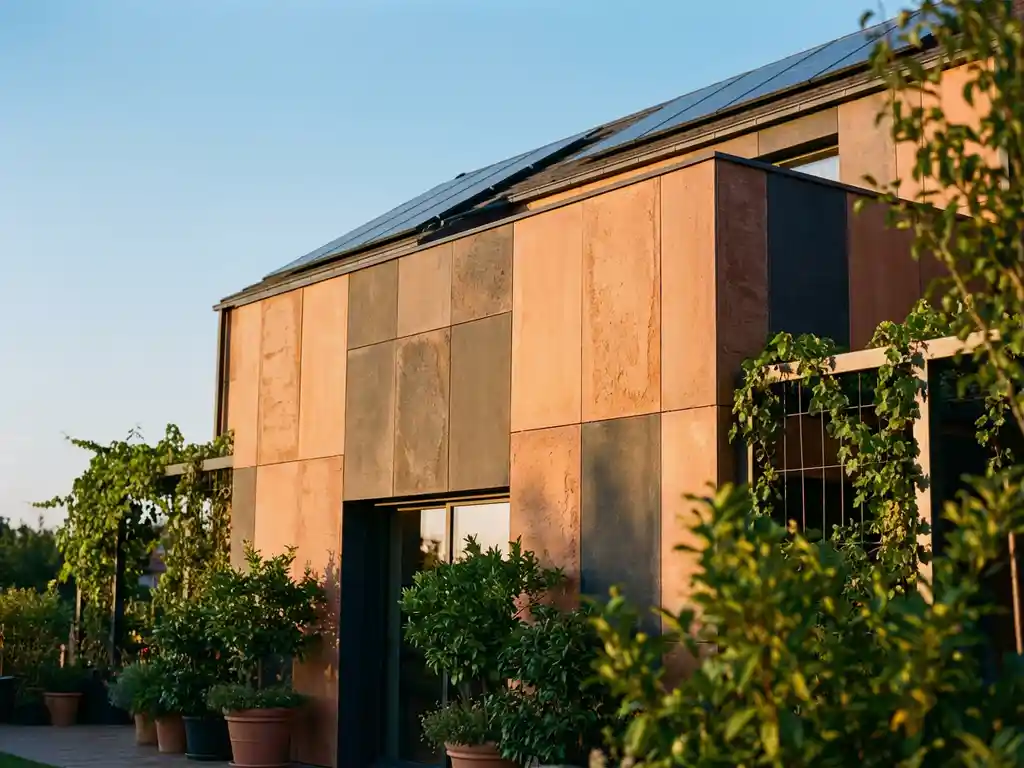
The architectural landscape is evolving rapidly as sustainability shifts from an optional consideration to an essential requirement. Architects today face the challenge of meeting increasingly stringent environmental standards while creating buildings that are both functional and beautiful. Understanding the latest sustainable building trends is crucial for professionals who want to stay ahead in 2026.
From innovative materials to construction methods that minimize environmental impact, the industry is embracing solutions that offer long-term value and environmental responsibility. These trends are reshaping how we think about building design, material selection, and construction processes.
What are the most important sustainable building trends emerging in 2026?
The most significant sustainable building trends in 2026 include circular design principles, advanced ceramic façade systems, prefabricated construction methods, and integrated renewable energy solutions. These trends focus on reducing environmental impact throughout the entire building lifecycle while improving performance and durability.
Circular design has become mainstream, with architects prioritizing materials that can be fully recycled or reused at the end of their lifecycle. This approach treats the building as a material bank, where components retain their value and can be disassembled for future use. The trend extends beyond material selection to encompass design strategies that enable easy deconstruction and component recovery.
Energy-positive buildings are gaining momentum, moving beyond net-zero targets to structures that generate more energy than they consume. This involves sophisticated integration of solar panels, advanced insulation systems, and smart building technologies that optimize energy use in real time. Architects are designing buildings that contribute positively to the grid while maintaining optimal indoor environments.
How are ceramic façade systems contributing to sustainable construction?
Ceramic façade systems contribute to sustainable construction through exceptional durability, complete recyclability, and minimal maintenance requirements over decades of use. These systems offer superior performance characteristics while supporting circular economy principles and reducing long-term environmental impact.
The manufacturing process for high-quality ceramic façades involves firing at temperatures exceeding 1,200 degrees Celsius, creating dense, non-porous surfaces that resist weathering, UV degradation, and pollution. This durability translates to façades that maintain their appearance and performance for 50+ years without requiring replacement or significant maintenance.
Modern ceramic façade systems are classified as building material class A1, meaning they are completely non-combustible and contain no organic compounds that could release harmful emissions. This classification supports healthy indoor air quality while providing superior fire safety performance. The lightweight nature of ceramic elements, typically around 40 kilograms per square meter, allows for reduced structural requirements and more efficient construction processes.
What makes a building material truly sustainable in 2026?
A truly sustainable building material in 2026 must demonstrate sustainability across its entire lifecycle, including responsible sourcing, minimal environmental impact during production, exceptional durability, and full recyclability at end of life. The material should also contribute positively to building performance and occupant health throughout its service life.
Lifecycle assessment has become the gold standard for evaluating material sustainability. This comprehensive analysis examines environmental impact from raw material extraction through manufacturing, transportation, installation, the use phase, and end-of-life disposal or recycling. Materials that score well across all phases while offering superior performance characteristics are considered truly sustainable.
Durability plays a crucial role in sustainability calculations. Materials that last 50–100 years without degradation or replacement significantly reduce environmental impact compared to alternatives that require frequent replacement. The ability to maintain performance and appearance over decades eliminates the need for maintenance interventions that consume additional resources and generate waste.
Why is timber construction becoming more popular for sustainable buildings?
Timber construction is gaining popularity for sustainable buildings because wood acts as a carbon sink, storing CO2 throughout the building’s lifecycle while offering excellent structural properties and shorter construction timelines. Modern engineered timber products enable large-scale construction with strong fire and seismic performance.
Cross-laminated timber and other engineered wood products have revolutionized timber construction capabilities. These materials offer strength-to-weight ratios comparable to steel and concrete while maintaining wood’s natural carbon storage properties. A cubic meter of wood can store approximately one ton of CO2, making timber buildings significant carbon sinks that contribute to climate change mitigation.
The lightweight nature of timber construction reduces foundation requirements and enables faster construction schedules. Prefabricated timber components can be manufactured off-site with precise tolerances, reducing construction waste and improving quality control. When combined with appropriate ceramic façade systems, timber structures offer exceptional thermal performance and long-term durability.
How do architects balance sustainability with design aesthetics?
Architects balance sustainability with design aesthetics by selecting materials and systems that offer both environmental benefits and design versatility, enabling creative expression while meeting performance requirements. Modern sustainable materials provide extensive customization options that support architectural vision without compromising environmental goals.
The key lies in understanding that sustainability and beauty are not mutually exclusive. High-performance sustainable materials often offer superior aesthetic possibilities compared to conventional alternatives. For example, advanced ceramic systems provide unlimited color options, varied surface textures, and precise dimensional control that enables complex geometric patterns and architectural details.
Integrated design approaches consider sustainability and aesthetics from the earliest design phases rather than treating them as competing priorities. This methodology often leads to more innovative solutions in which environmental performance enhances, rather than constrains, design possibilities. Architects are discovering that sustainable materials often provide greater design freedom due to their superior performance characteristics and longevity, as demonstrated in numerous successful sustainable building projects.
How TONALITY® Supports Sustainable Architecture
TONALITY® ceramic façade systems provide architects with an ideal solution for sustainable building design, combining exceptional environmental performance with unlimited aesthetic possibilities. Our ceramic elements are manufactured using Europe’s highest-quality clay deposits and fired at temperatures exceeding 1,200°C, creating surfaces that maintain their appearance and performance for decades without maintenance.
- 100% recyclable ceramic elements that support circular economy principles
- Building material class A1 non-combustible rating for superior fire safety
- Lightweight construction at only 40 kg/m², enabling efficient timber construction
- Integrated graffiti protection and permanent UV resistance
- Precise manufacturing tolerances supporting complex architectural designs
- Complete deconstruction capability for component reuse
Contact our technical team to discover how TONALITY® ceramic façade systems can enhance your next sustainable building project with superior performance and lasting beauty.