

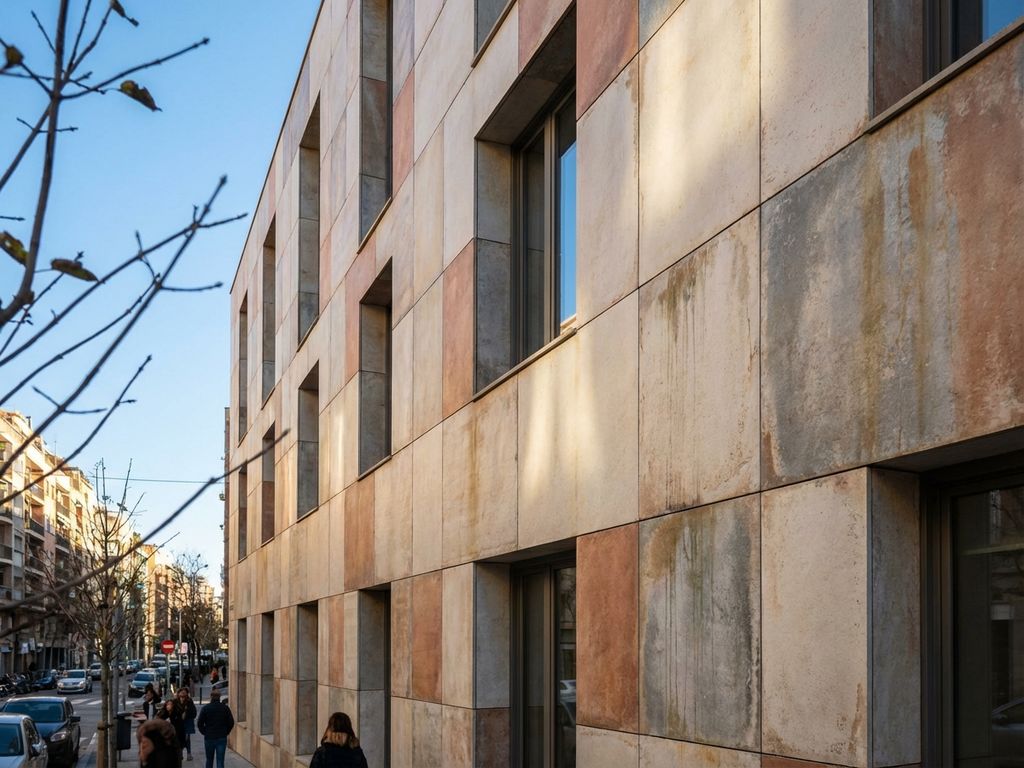
Ceramic facades, or keramikfassaden, are suitable for most climates worldwide due to their exceptional material properties and engineered design. These architectural systems perform reliably from tropical heat to arctic cold, though specific installation considerations and maintenance requirements vary by climate zone. Understanding climate-specific factors helps ensure optimal performance and longevity across different environmental conditions.
What makes ceramic facades suitable for different climate conditions?
Ceramic facades excel across diverse climates due to their inherent material properties, including thermal stability, moisture resistance, UV protection, and structural integrity. The high-temperature firing process creates a dense, non-porous surface that withstands extreme temperature fluctuations while maintaining dimensional stability.
The thermal properties of ceramic materials allow them to expand and contract predictably with temperature changes. This controlled movement, combined with appropriate installation systems, prevents stress fractures and maintains structural integrity from tropical environments exceeding 40°C to arctic conditions below -30°C.
Moisture resistance represents another critical advantage. The fired ceramic surface repels water effectively, preventing freeze-thaw damage in cold climates while resisting humidity-related deterioration in tropical regions. The material’s low porosity prevents water absorption that could lead to structural damage or surface degradation.
UV stability ensures a consistent appearance across all climate zones. Unlike many building materials that fade or degrade under intense sunlight, ceramic facades maintain their colour and surface integrity even in high-altitude or desert environments with extreme solar radiation exposure.
How do ceramic facades perform in extreme weather conditions?
Ceramic facades demonstrate remarkable resilience during harsh weather events, including freeze-thaw cycles, high winds, hailstorms, extreme temperatures, and heavy precipitation. The material’s density and structural properties provide superior protection compared to many traditional facade materials.
During freeze-thaw cycles, the low water absorption rate prevents ice formation within the material structure. This characteristic eliminates the expansion damage that affects porous materials like concrete or natural stone. The ceramic surface remains stable through repeated temperature cycling without developing cracks or surface deterioration.
High wind resistance comes from the material’s strength-to-weight ratio and properly engineered mounting systems. Ceramic panels maintain structural integrity during severe storms when correctly installed with appropriate fixings and wind load calculations. The lightweight nature reduces stress on supporting structures while maintaining impact resistance.
Hail impact resistance varies with panel thickness and installation method, but ceramic surfaces generally outperform metal or composite materials. The hard surface distributes impact forces effectively, though severe hail may cause surface chipping in extreme cases.
Heavy precipitation poses minimal challenges due to the material’s water resistance and well-designed drainage systems. The smooth surface facilitates water runoff, preventing standing water and reducing maintenance requirements even in monsoon or hurricane-prone regions.
What are the main challenges of installing ceramic facades in different climates?
Climate-specific installation challenges include thermal expansion management, moisture control systems, wind load calculations, and seasonal timing requirements. Each climate zone presents unique considerations that affect installation methodology and long-term performance.
Thermal expansion management requires careful joint spacing and flexible mounting systems. Hot climates demand wider expansion joints and heat-resistant sealants, while cold climates need materials that remain flexible at low temperatures. The mounting system must accommodate movement without compromising weather sealing.
Moisture control systems vary significantly between humid and arid climates. Tropical installations require enhanced drainage and ventilation behind panels to prevent condensation buildup. Desert climates may need different approaches to handle sudden temperature changes and occasional heavy rainfall.
Wind load calculations become critical in hurricane, typhoon, or other high-wind regions. Installation teams must use enhanced fixings and potentially modify panel sizes or mounting methods to meet local building codes and safety requirements.
Seasonal installation timing affects both worker safety and material performance. Extreme cold can make sealants difficult to apply properly, while excessive heat may affect adhesive curing times. Planning installation schedules around seasonal weather patterns ensures optimal results.
Which climate factors affect ceramic facade longevity the most?
Temperature fluctuations, humidity levels, salt air exposure, UV radiation intensity, and air pollution represent the most significant environmental factors affecting ceramic facade lifespan. Understanding these influences helps predict maintenance requirements and expected service life.
Temperature fluctuations cause the greatest stress through repeated expansion and contraction cycles. Climates with extreme daily or seasonal temperature variations require more robust mounting systems and higher-quality sealants to maintain long-term performance.
Humidity levels affect both the ceramic material and supporting systems. High humidity can accelerate corrosion of metal components and affect sealant performance, while very low humidity combined with high temperatures can cause rapid thermal cycling stress.
Salt air exposure in coastal environments primarily affects metal fixings and frames rather than the ceramic panels themselves. However, salt crystallisation can occur on surfaces in some conditions, requiring periodic cleaning to maintain appearance.
UV radiation intensity varies with altitude, latitude, and atmospheric conditions. While ceramic materials resist UV degradation exceptionally well, sealants and gaskets may require more frequent replacement in high-UV environments.
Air pollution, particularly in industrial or urban areas, can cause surface staining over time. The smooth ceramic surface facilitates cleaning, but heavily polluted environments may require more frequent maintenance to preserve aesthetic appeal.
How do ceramic facades compare to other materials in harsh climates?
Ceramic facades outperform traditional materials like brick, stone, metal, and fibre cement in harsh climates through superior durability, lower maintenance requirements, better thermal performance, and improved long-term cost-effectiveness.
Compared to brick and natural stone, ceramic facades offer consistent quality without the variability inherent in natural materials. They resist freeze-thaw damage more effectively and maintain their appearance longer without requiring repointing or surface treatments.
Metal facades may expand and contract more than ceramic, potentially causing joint problems in extreme temperature climates. Ceramic surfaces also resist corrosion and maintain colour stability better than most metal finishes, particularly in coastal or industrial environments.
Fibre cement products may absorb more moisture than ceramic, making them more susceptible to freeze-thaw damage. Ceramic facades also offer superior fire resistance and do not require periodic painting or sealing like many fibre cement systems.
Thermal performance advantages include better insulation properties and reduced thermal bridging when properly installed. The material’s thermal mass helps moderate temperature fluctuations, potentially reducing energy costs compared to lightweight metal systems.
Long-term cost-effectiveness comes from reduced maintenance requirements, extended service life, and consistent performance across various climate conditions. Initial installation costs may be higher, but lifecycle costs often favour ceramic systems in challenging climates.
How TONALITY® helps with climate-resilient ceramic facade solutions
TONALITY® provides comprehensive climate-resilient ceramic facade solutions through advanced high-temperature firing processes, dense surface technology, lightweight design benefits, and an extensive product range that addresses specific climate challenges across all environmental conditions.
Our unique advantages include:
- High-temperature firing at over 1,200°C creates an exceptionally dense, non-porous surface that resists moisture penetration and freeze-thaw damage
- Lightweight construction reduces structural loads while maintaining superior strength and impact resistance
- Precise manufacturing allows custom sizing from 150×300mm to 400×1,600mm for optimal climate-specific installation
- Over 2,700 surface combinations provide design flexibility while maintaining consistent performance characteristics
- 100% recyclable materials support sustainable construction practices across all climate zones
- Comprehensive technical support ensures proper installation methods for specific climate requirements
Whether you’re planning a project in tropical humidity, arctic cold, or desert heat, TONALITY® keramikfassaden deliver proven performance with minimal maintenance requirements. Contact our technical team to discuss your specific climate challenges and discover how our ceramic facade solutions can meet your project’s unique environmental demands.
Related Articles
- How much do ceramic facade systems cost?
- Does vertical or horizontal terracotta orientation affect building perception?
- Why choose ceramic facades for architectural projects?
- How to Develop Custom Terracotta Colors and Glazes with Manufacturers
- Is fiber cement or terracotta more durable over a 50-year building lifespan?
Articles connexes
- What is an EPD (Environmental Product Declaration) and why should specifiers care?
- Does vertical or horizontal terracotta panel orientation affect how a building is perceived?
- What is biophilic design and why is terracotta ideal for it?
- 10 Reasons Terracotta Outperforms Aluminum Composite Panels
- What is an EPD and why does it matter for facade specification?