

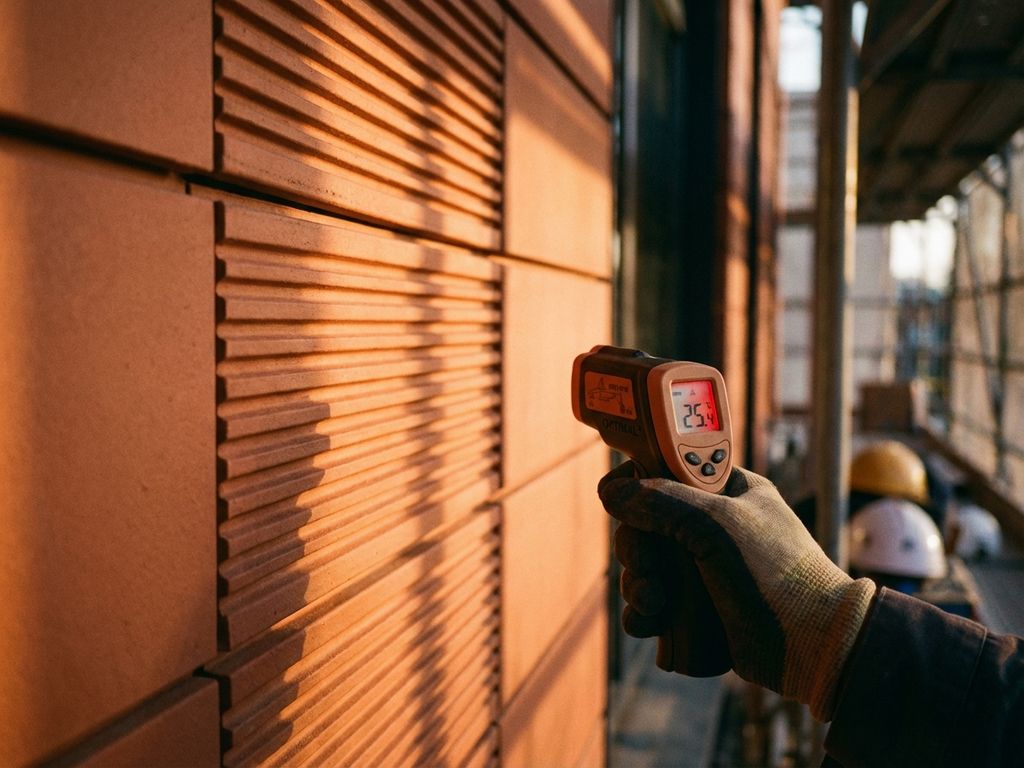
Terracotta facades deliver exceptional thermal performance through their natural ceramic properties and advanced installation systems. These ceramic elements provide superior thermal mass, effective insulation capabilities, and reduced thermal bridging compared to traditional facade materials. Their unique composition and mounting methods create energy-efficient building envelopes that regulate indoor temperatures while minimising heating and cooling costs throughout the year.
What exactly is thermal performance in terracotta facade systems?
Thermal performance in terracotta facade systems refers to how effectively these ceramic elements manage heat transfer, store thermal energy, and contribute to overall building envelope efficiency. Terracotta systems excel in thermal performance due to their dense ceramic composition, low thermal conductivity, and ability to create effective thermal barriers when properly installed.
The key thermal properties of terracotta facades include thermal mass, which allows the material to absorb and slowly release heat energy. This characteristic helps regulate indoor temperatures by storing heat during warm periods and releasing it gradually when temperatures drop. The ceramic material’s low thermal conductivity means it transfers heat slowly, providing natural insulation properties that reduce energy transfer through the building envelope.
Terracotta systems also contribute to building envelope efficiency through their installation methods. The profiled backing systems create air gaps between the ceramic elements and the building structure, forming additional insulation layers. This ventilated facade design allows air circulation that further improves thermal performance by preventing heat buildup and moisture accumulation.
How do terracotta systems prevent thermal bridging in buildings?
Terracotta systems prevent thermal bridging through their unique installation methods that create thermal breaks between the building structure and exterior elements. The ceramic elements are mounted to vertical aluminium profiles with minimal direct connection to the building’s structural components, significantly reducing heat transfer pathways that cause energy loss in traditional facade systems.
Thermal bridging occurs when conductive materials create direct pathways for heat transfer through the building envelope. Traditional facade systems often suffer from thermal bridges where structural elements extend through insulation layers, creating cold spots and energy inefficiency. Terracotta ceramic elements address this issue through their mounting system design.
The installation method involves securing ceramic elements to vertical retaining profiles that maintain separation from the building structure. This creates an insulated cavity between the facade and building envelope, breaking thermal pathways. The ceramic material itself has lower thermal conductivity than metal or concrete alternatives, further reducing heat transfer through the facade system.
What are the energy efficiency benefits of ceramic facade thermal mass?
Ceramic facade thermal mass provides significant energy efficiency benefits by naturally regulating building temperatures and reducing heating and cooling demands. The dense ceramic material absorbs excess heat during warm periods and releases it slowly when temperatures drop, creating a natural temperature-buffering effect that reduces mechanical heating and cooling requirements.
During summer months, terracotta facades absorb solar heat during the day, preventing excessive heat gain inside the building. As evening temperatures cool, the stored thermal energy is released gradually, maintaining more stable indoor temperatures. This thermal mass effect reduces air conditioning loads during peak cooling periods.
In winter, the thermal mass works similarly by capturing and storing heat from solar gain and internal sources. The ceramic elements release this stored energy during cooler periods, reducing heating system demands. This natural temperature regulation can significantly impact energy consumption, particularly in buildings with high thermal mass facade coverage.
The energy efficiency benefits extend throughout different seasons because ceramic thermal mass responds to temperature variations automatically. This passive thermal regulation requires no mechanical systems or energy input, making it a sustainable approach to building climate control.
How does terracotta thermal performance compare to other facade materials?
Terracotta thermal performance surpasses many common facade materials through superior thermal mass, lower conductivity, and better long-term stability. Compared to metal facades, terracotta offers significantly better insulation properties and thermal mass benefits, while concrete facades typically have higher thermal conductivity and less effective temperature regulation capabilities.
Metal facade systems, particularly aluminium and steel, conduct heat rapidly and provide minimal thermal mass benefits. These materials require additional insulation systems to achieve acceptable thermal performance. Terracotta’s ceramic composition naturally provides better insulation properties and thermal regulation without requiring extensive additional systems.
Concrete facades offer some thermal mass benefits but typically have higher thermal conductivity than ceramic materials. Concrete also tends to absorb and release heat more quickly than terracotta, providing less stable temperature regulation. Additionally, concrete facades often require more complex insulation systems to achieve optimal thermal performance.
Glass curtain wall systems provide minimal thermal mass and often create thermal bridging issues through their structural connections. Terracotta systems offer superior thermal stability and reduced heat transfer compared to glazed facade systems, particularly in applications requiring temperature regulation.
What installation factors affect terracotta thermal efficiency?
Proper installation techniques significantly impact terracotta thermal efficiency, with air gap design, ventilation systems, and mounting methods playing crucial roles in optimising thermal performance. The ventilated cavity behind ceramic elements must be properly sized and detailed to maximise insulation benefits while preventing thermal bridging through structural connections.
Air gap dimensions between the terracotta elements and building envelope directly affect thermal performance. Properly sized cavities allow air circulation that prevents heat buildup while providing insulation benefits. Insufficient air gaps reduce thermal efficiency, while excessive spacing can create unwanted air movement that reduces insulation effectiveness.
Ventilation system design within the facade assembly influences thermal performance by managing air movement and moisture control. Strategic ventilation openings at the bottom and top of facade sections create controlled air circulation that enhances thermal efficiency. Proper ventilation prevents condensation issues that could compromise insulation properties.
Mounting methods affect thermal efficiency through their connection details and thermal bridging potential. Installation systems that minimise direct thermal connections between ceramic elements and the building structure maintain better thermal performance. The profiled backing systems on ceramic elements should align properly with mounting profiles to ensure consistent air gaps and thermal breaks.
How do TONALITY® ceramic facades optimise thermal performance?
TONALITY® ceramic facades deliver superior thermal performance through specialised manufacturing processes and advanced installation systems designed for maximum energy efficiency. The high-temperature sinter firing process creates exceptionally dense ceramic elements with optimal thermal mass properties and low thermal conductivity, while the profiled backing system ensures proper installation for enhanced thermal breaks.
TONALITY® optimises thermal performance through:
- Dense ceramic composition from high-temperature firing that maximises thermal mass benefits
- Profiled backing systems that create consistent air gaps and thermal breaks
- Lightweight design reducing structural thermal bridging requirements
- Precise manufacturing tolerances ensuring proper installation and thermal continuity
- Interlocking mounting systems that minimise direct thermal connections
The ceramic elements’ low surface weight of approximately 40 kilograms per square metre allows for lighter substructures that reduce thermal bridging through structural elements. This lightweight design maintains excellent thermal performance while simplifying installation requirements and reducing overall building thermal loads.
Ready to optimise your building’s thermal performance with advanced ceramic facade technology? Contact TONALITY® to discuss how our ceramic facade systems can enhance your project’s energy efficiency and thermal comfort.
Related Articles
- What sustainable materials work best for facades?
- What are sustainable building materials?
- How durable are terracotta cladding systems?
- What fire safety ratings do terracotta facade panels have?
- What factors affect terracotta facade longevity?