

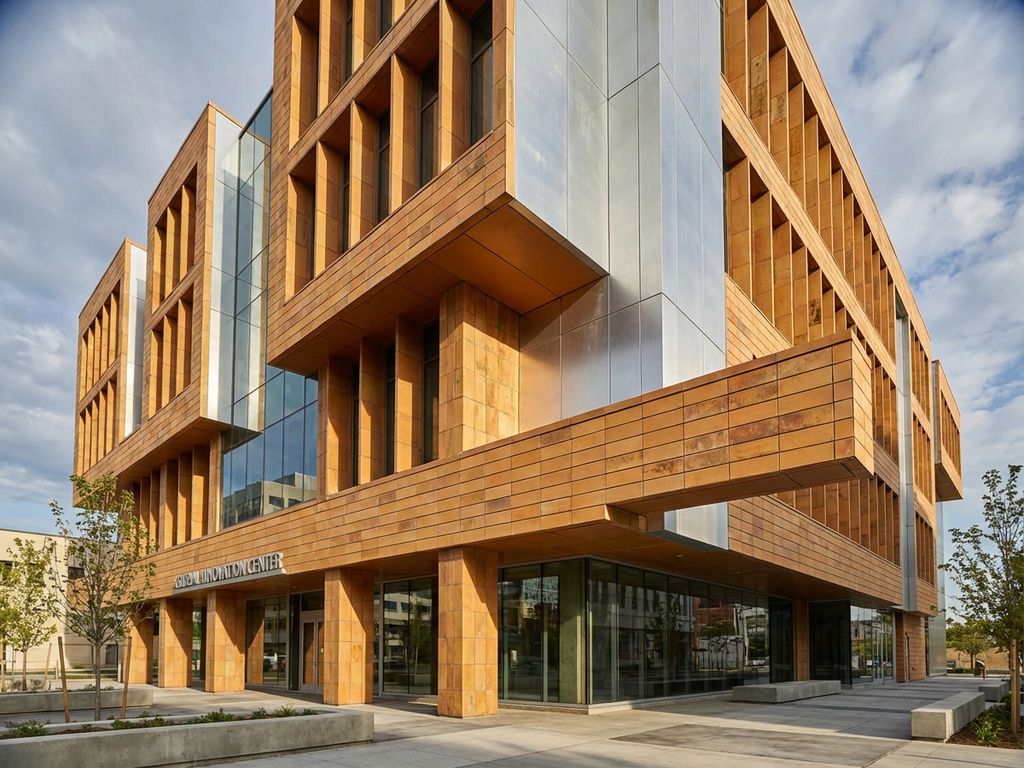
Commercial buildings benefit most from terracotta cladding systems due to superior fire resistance, lower maintenance requirements, and exceptional longevity. While metal cladding offers design flexibility and lighter weight, terracotta facades provide better thermal performance, weather resistance, and long-term value. The choice depends on specific project requirements, including fire safety regulations, aesthetic goals, and lifecycle considerations for optimal building performance.
What are the key differences between terracotta and metal cladding systems?
Terracotta cladding consists of fired ceramic elements produced at temperatures exceeding 1,200°C, creating dense, low-porosity surfaces. Metal cladding typically uses aluminium, steel, or composite panels with various coatings and finishes.
The manufacturing processes create fundamentally different material properties. Terracotta facades undergo high-temperature sintering that produces naturally weather-resistant surfaces with integrated colour throughout the material. Metal systems rely on surface treatments and coatings for protection and appearance, requiring periodic renewal to maintain performance.
Installation methods vary significantly between systems. Terracotta elements often feature interlocking profiles that mount to vertical retention systems, creating secure mechanical connections. Metal panels typically use clip-on systems or direct fixing methods that allow for thermal movement but may require more complex sealing arrangements.
Structural loading differs considerably. Terracotta systems generally weigh between 35–45 kg per square metre, while metal cladding ranges from 8–25 kg per square metre depending on panel thickness and substrate requirements. This weight difference affects substructure design and foundation considerations for commercial projects.
How do terracotta and metal cladding compare in terms of long-term durability?
Terracotta facades typically last 50–100 years with minimal maintenance due to their fired ceramic composition and natural weather resistance. Metal cladding systems generally require coating renewal every 15–25 years and may experience corrosion issues depending on environmental conditions.
Weather-resistance capabilities show marked differences between materials. Terracotta’s ceramic structure remains stable through freeze–thaw cycles, UV exposure, and acid rain without degradation. The material’s low porosity prevents water absorption that could cause cracking or surface deterioration over time.
Metal systems face ongoing challenges from thermal expansion, galvanic corrosion at connections, and coating breakdown from environmental exposure. Coastal environments particularly accelerate corrosion processes, requiring more frequent inspection and maintenance interventions.
Maintenance requirements reflect these durability differences. Terracotta facades typically need only periodic cleaning and joint inspection, while metal systems require regular coating assessment, panel replacement, and corrosion treatment. This maintenance differential significantly impacts total ownership costs over the building’s lifecycle.
Which cladding option offers better fire safety for commercial buildings?
Terracotta cladding provides superior fire safety with A1 non-combustible classification, containing no organic materials that can ignite or contribute to flame spread. Most metal cladding systems achieve A2 ratings, though some composite panels may have lower classifications requiring careful specification.
Building code compliance varies by jurisdiction, but terracotta’s inherent non-combustibility meets the most stringent requirements without additional fire-resistant treatments. The ceramic material maintains structural integrity at high temperatures and produces no toxic gases during fire exposure.
Metal systems’ fire performance depends heavily on core materials and coatings. Solid aluminium or steel panels perform well, but composite systems with polymer cores may contribute to fire spread and smoke production. Recent building disasters have highlighted the importance of understanding complete system fire behaviour.
Safety classifications extend beyond the cladding material itself. Terracotta systems typically require less complex fire-stopping details due to their inherent properties, while metal systems may need additional fire barriers and cavity protection to achieve equivalent safety levels.
What are the installation and cost considerations for each cladding type?
Initial investment patterns differ significantly between terracotta and metal cladding systems. Terracotta requires higher upfront investment but delivers superior long-term value through reduced maintenance needs and exceptional durability spanning decades.
Installation complexity varies based on system design. Terracotta’s mechanical fixing systems often simplify installation once support structures are in place, though the material’s weight requires robust substructure design. Metal systems may install faster but require precise thermal-movement accommodation and weather-sealing details.
Labour requirements reflect these installation differences. Terracotta installation benefits from straightforward mechanical connections that reduce on-site complexity, while metal systems may require specialised sealing and finishing work that extends installation timeframes.
Structural support needs significantly impact total project investment. Terracotta’s weight necessitates stronger support frameworks, but this investment pays dividends through decades of maintenance-free performance. Metal cladding’s lighter weight reduces structural requirements but may require more frequent replacement cycles that offset initial savings.
How do aesthetic possibilities differ between terracotta and metal facades?
Design flexibility varies considerably between terracotta and metal cladding systems. Terracotta offers natural colour integration throughout the material thickness, creating rich, varied surfaces that develop character over time. Metal systems provide broader colour ranges through coating technologies but may show wear at edges and connections.
Surface-texture possibilities differ fundamentally between materials. Terracotta can achieve smooth, textured, or profiled surfaces during manufacturing, creating shadow lines and visual interest through three-dimensional elements. Metal panels typically rely on surface treatments or forming processes for texture variation.
Architectural-style compatibility shows distinct patterns. Terracotta facades complement both traditional and contemporary designs, offering timeless appeal that ages gracefully. Metal systems excel in modern, industrial aesthetics but may appear dated as coating technologies and colour preferences evolve.
Visual-impact capabilities reflect each material’s inherent properties. Terracotta’s natural colour variations and surface characteristics create dynamic facades that respond to changing light conditions throughout the day. Metal systems provide a consistent appearance but may lack the visual depth and character development that ceramic materials offer over time.
How TONALITY® ceramic facades provide the optimal commercial cladding solution
TONALITY® ceramic facade systems address all key commercial building requirements through advanced manufacturing and innovative installation methods. The single-layer ceramic elements combine superior fire safety, exceptional durability, and design flexibility in one integrated solution.
Key advantages include:
- A1 non-combustible classification meeting the strictest fire safety requirements
- Maintenance-free performance with permanent colour and UV resistance
- Lightweight ceramic construction at approximately 40 kg/m², reducing structural requirements
- Precise manufacturing tolerances enabling seamless installation
- Complete recyclability supporting sustainable building practices
- Integrated graffiti protection eliminating ongoing cleaning costs
The innovative back-profiled ceramic elements interlock with vertical aluminium retention profiles, creating secure mechanical connections that simplify installation while ensuring long-term performance. This system delivers the fire-safety and durability advantages of traditional terracotta with modern installation efficiency.
Contact our technical team to discuss how TONALITY® ceramic facades can enhance your commercial building project with superior performance, aesthetic flexibility, and exceptional long-term value.
Related Articles
- What software do architectural designers use most?
- How do you choose the right insulation system for facade renovation?
- What is the difference between green and sustainable materials?
- 7 Ways to Create Depth and Shadow Play with 3D Terracotta Panels
- 5 Stunning Projects Combining Terracotta with Glass, Steel, or Timber
Articles connexes
- What makes terracotta inherently safer than ACM panels for high-rise buildings?
- 5 Landmark Historic Buildings Successfully Restored with Custom Terracotta
- How do terracotta facades contribute to urban heat island reduction?
- How do you prevent thermal bridging in ventilated terracotta facades?
- Should you choose terracotta facades in 2026?