

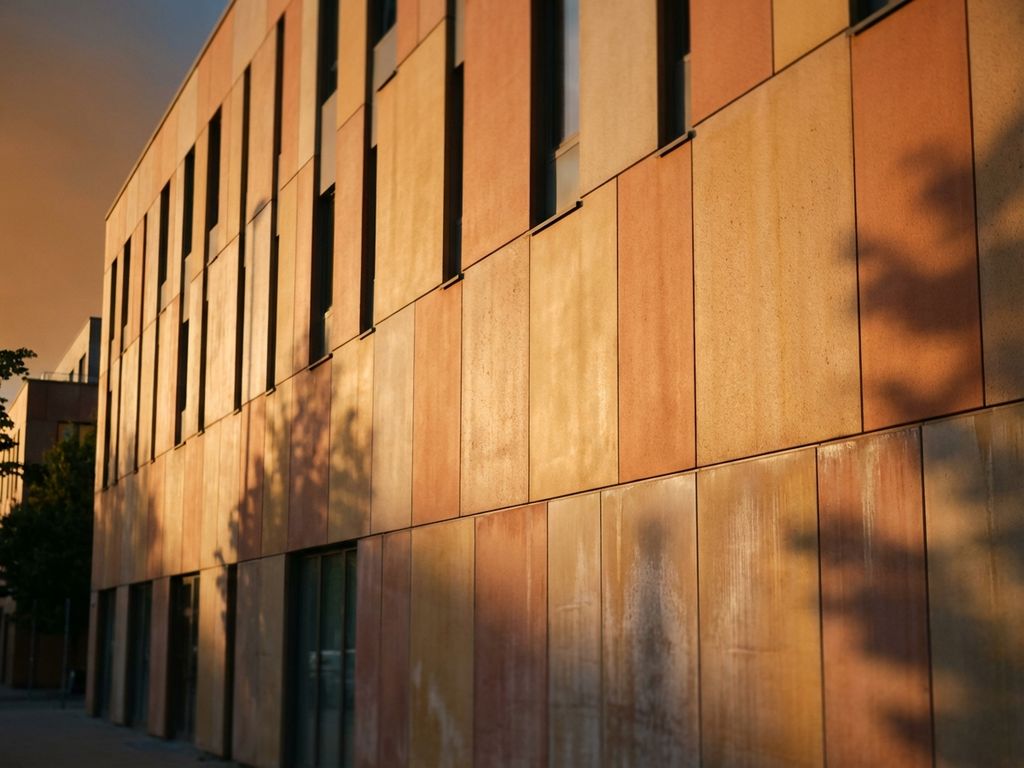
Ceramic facade panels typically last between 50 and 100+ years when properly installed and maintained. Their exceptional longevity stems from high-temperature firing processes that create dense, non-porous surfaces resistant to weathering, UV damage, and thermal cycling. Unlike many other facade materials, ceramic panels maintain their structural integrity and appearance for decades with minimal maintenance requirements.
What is the typical lifespan of ceramic facade panels?
Ceramic facade panels are engineered to last 50 to 100+ years under normal environmental conditions. This exceptional lifespan results from their unique manufacturing process, which involves firing clay at temperatures exceeding 1,200 degrees Celsius. This intense heat creates a vitrified surface that becomes virtually impervious to water absorption, freeze-thaw cycles, and chemical degradation.
The longevity of ceramic panels significantly exceeds that of most other facade materials due to their inherent stability. The firing process eliminates organic compounds that could deteriorate over time, while creating a crystalline structure that resists environmental stresses. Terracotta facades, a traditional form of ceramic cladding, have demonstrated this durability throughout history, with examples from the late 19th century still performing well today.
Modern ceramic facade systems benefit from advanced manufacturing techniques that ensure consistent quality and performance. The single-layer production method creates uniform density throughout each panel, eliminating weak points that could lead to premature failure. This manufacturing precision, combined with proper installation techniques, establishes the foundation for decades of reliable performance.
What factors affect how long ceramic facade panels last?
Environmental conditions, installation quality, and material composition are the primary factors determining ceramic facade panel longevity. Proper installation with adequate ventilation and drainage systems prevents moisture accumulation that could compromise panel performance over time.
Climate exposure plays a significant role in panel durability. Coastal environments with salt spray require panels with enhanced surface treatments, while areas with extreme temperature fluctuations benefit from panels designed for thermal expansion. However, high-quality ceramic panels maintain their integrity across diverse climatic conditions due to their low thermal expansion coefficient.
The firing temperature during manufacturing directly impacts long-term performance. Panels fired at higher temperatures develop greater density and lower porosity, resulting in superior weather resistance. Surface treatments and glazing applications also influence durability, with some finishes providing additional protection against specific environmental challenges.
Installation system design significantly affects panel lifespan. Proper fixing methods that accommodate thermal movement prevent stress concentrations that could lead to cracking. Adequate drainage and ventilation behind panels prevent moisture-related issues that might compromise the facade system’s structural integrity.
How do ceramic facade panels compare to other facade materials in terms of longevity?
Ceramic facade panels outlast most conventional facade materials by decades. While metal cladding may require replacement after 25–40 years due to corrosion, and fibre cement panels typically last 30–50 years, ceramic panels maintain their performance for 50–100+ years with minimal intervention.
Natural stone facades can achieve similar longevity but require more frequent maintenance and are susceptible to weathering and staining. Brick facades, while durable, often need repointing and maintenance every 20–30 years. Ceramic panels eliminate these recurring maintenance requirements through their non-porous surface and colour-fast properties.
Composite materials and timber cladding generally require replacement or significant refurbishment within 15–25 years. These materials are vulnerable to UV degradation, moisture damage, and biological attack. Ceramic panels resist all these deterioration mechanisms, maintaining their structural and aesthetic properties throughout their service life.
The maintenance requirements for ceramic facades are substantially lower than for alternatives. While metal facades may need regular repainting and protective coatings, ceramic panels retain their colour and finish without additional treatments. This reduced maintenance translates to lower lifecycle costs and better long-term value.
What maintenance is required to maximise ceramic facade panel lifespan?
Regular cleaning and periodic inspections are the primary maintenance requirements for ceramic facade panels. Annual cleaning with water and mild detergent removes accumulated dirt and atmospheric pollutants that could affect appearance over time.
Inspection schedules should focus on fixing systems, sealants, and drainage components rather than the panels themselves. Check fixing points annually for any signs of movement or corrosion, and ensure drainage channels remain clear of debris. Sealant joints around openings may require renewal every 10–15 years depending on exposure conditions.
Preventive maintenance includes monitoring the building’s structural performance to ensure the facade support system remains stable. Any building movement or settlement should be addressed promptly to prevent stress on the facade system. Keep detailed records of maintenance activities to track system performance over time.
Cleaning frequency depends on environmental conditions and aesthetic requirements. Urban environments with higher pollution levels may require biannual cleaning, while rural installations might need attention only every 2–3 years. The self-cleaning properties of many ceramic surfaces reduce maintenance frequency compared to other materials.
How do you know when ceramic facade panels need replacement?
Visible cracking, structural movement, or widespread fixing system failure typically indicates when ceramic panels are approaching end-of-life. However, such conditions are rare within the expected 50–100+ year service life when panels are properly specified and installed.
Performance degradation signs include water penetration behind panels, loose or damaged fixings, or significant colour fading (though this is extremely rare with quality ceramic panels). Any structural issues with the building itself may necessitate facade system evaluation, even if panels remain in good condition.
Assessment criteria include visual inspection for surface damage, thermal imaging to detect moisture infiltration, and structural analysis of fixing systems. Professional facade inspections every 10–15 years can identify potential issues before they compromise system performance.
Most ceramic facade panels reach the end of their service life due to building renovation requirements rather than material failure. The recyclable nature of ceramic materials means panels can often be reclaimed and reused in other applications, extending their useful life beyond the original installation.
How TONALITY® helps with ceramic facade longevity
TONALITY® maximises ceramic facade lifespan through advanced manufacturing processes and precision-engineered installation systems. The company’s sinter firing process at temperatures exceeding 1,200 degrees Celsius creates exceptionally dense, durable panels that resist weathering and maintain their appearance for decades.
Key longevity features include:
- Single-layer production ensuring uniform density and eliminating weak points
- Precision manufacturing to within one millimetre for a perfect fit and reduced stress points
- Integrated graffiti protection and permanent UV resistance
- Building material class A1 certification for non-combustible performance
- Interlocking profile system that accommodates thermal movement
- Low surface weight reducing structural loading and installation complexity
The TONALITY® facade system simplifies installation while ensuring long-term performance through its mount-and-done approach. This reduces installation errors that could compromise facade longevity. Contact TONALITY® to discuss how their advanced ceramic facade solutions can provide decades of maintenance-free performance for your project.
Related Articles
- How to Write a Terracotta Facade Specification: Complete Architect’s Guide
- Which LEED credits can architects achieve with terracotta facade specification?
- 5 Things to Look for When Evaluating Terracotta Samples
- Should commercial buildings use terracotta or metal cladding?
- How do terracotta baguettes and louvers create effective solar shading?