

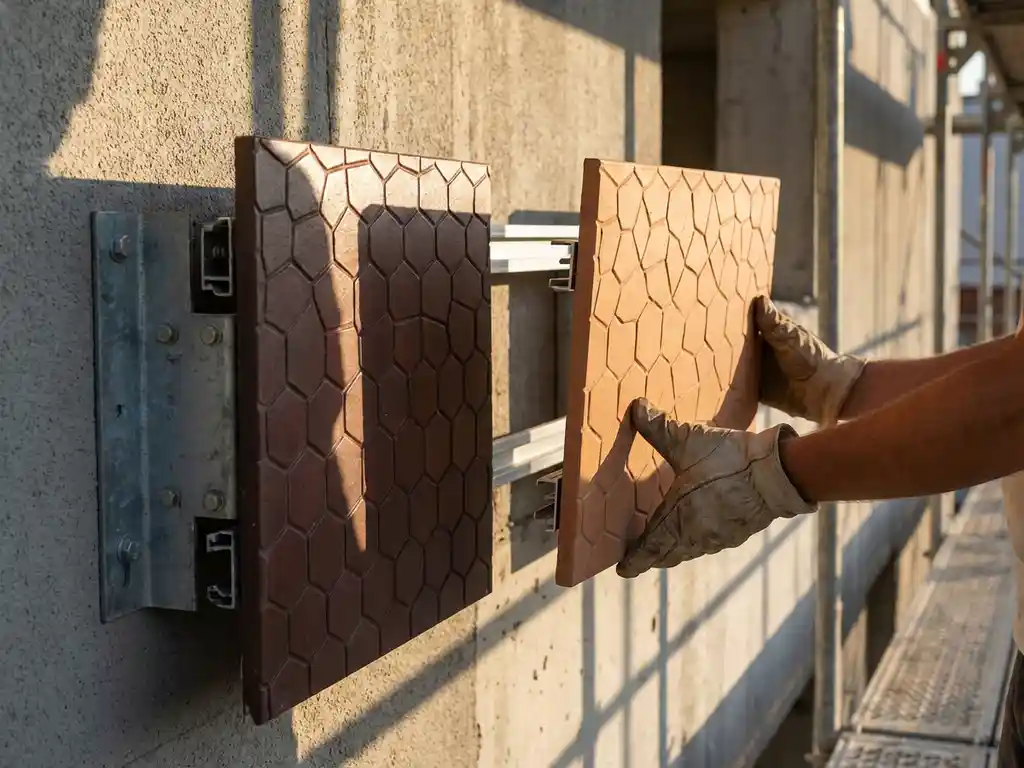
Building codes serve as the foundation for safe, durable construction practices, but they present unique considerations for modern façade systems. Lightweight façade technologies have revolutionized building design, offering architects greater flexibility while maintaining structural integrity and meeting safety standards.
Understanding how building codes specifically address lightweight systems is crucial for architects, engineers, and contractors working with contemporary façade solutions. These regulations ensure that innovative materials and installation methods meet the same rigorous safety standards as traditional systems while accommodating their distinct characteristics.
What are building codes and why do they matter for façade systems?
Building codes are legally enforceable regulations that establish minimum safety, health, and structural requirements for construction projects. For façade systems, these codes govern everything from fire resistance and structural load capacity to energy efficiency and installation methods, ensuring that exterior cladding systems protect occupants and maintain building integrity over time.
Façade systems face unique regulatory challenges because they serve multiple critical functions simultaneously. They must provide weather protection, contribute to the building’s structural stability, meet fire safety requirements, and comply with energy efficiency standards. Building codes address each of these aspects through specific provisions that vary based on building height, occupancy type, and geographic location.
The complexity increases with innovative façade technologies, as code officials must evaluate new materials and installation methods against established safety criteria. This evaluation process ensures that modern façade solutions deliver the same level of protection as traditional systems while potentially offering enhanced performance characteristics.
How do lightweight façades differ from traditional systems in building codes?
Lightweight façades are subject to modified structural requirements and installation standards compared to traditional heavy masonry or concrete systems. Building codes typically require different load calculations, attachment methods, and structural support systems for lightweight façades due to their reduced dead weight and distinct performance characteristics.
Traditional façade systems often rely on their mass for stability and thermal performance, while lightweight systems achieve similar results through engineered materials and specialized installation techniques. Code provisions for lightweight façades frequently emphasize connection strength and wind-load resistance rather than the self-weight considerations that dominate traditional system requirements.
The reduced structural demands of lightweight systems can simplify certain code-compliance aspects. Lower dead loads mean less stress on the building frame, potentially allowing for more economical structural designs. However, this advantage comes with increased attention to proper installation and connection details, as lightweight systems depend more heavily on their attachment mechanisms for stability.
What fire safety codes apply to lightweight ceramic façade systems?
Lightweight ceramic façade systems must meet fire safety codes that classify materials according to their combustibility and flame-spread characteristics. Most building codes require façade materials to achieve specific fire ratings, with ceramic systems typically qualifying as non-combustible materials under Class A1 classifications, providing excellent compliance with fire safety requirements.
Fire safety codes evaluate façade systems based on several criteria, including surface burning characteristics, potential for flame spread, and smoke development. Ceramic materials naturally excel in these areas due to their inorganic composition and high-temperature manufacturing processes. The firing temperatures used in ceramic production create materials that have already been exposed to extreme heat, making them inherently fire-resistant.
Installation methods also fall under fire safety code scrutiny, particularly regarding cavity barriers and fire stops within the façade assembly. Lightweight ceramic systems often incorporate aluminum mounting systems that require careful attention to thermal bridging and fire-barrier continuity to maintain code compliance throughout the building envelope.
Which structural codes govern lightweight façade installation methods?
Structural codes for lightweight façade installation focus on wind-load resistance, seismic performance, and connection strength rather than the gravity-load considerations that dominate traditional façade systems. These codes specify minimum attachment spacing, fastener requirements, and structural support criteria based on the façade’s weight and the building’s exposure conditions.
Wind-load calculations become particularly important for lightweight façades because their reduced mass provides less resistance to wind forces. Building codes require detailed analysis of positive and negative wind pressures, with special attention to building corners and upper floors, where wind effects are amplified. The installation system must demonstrate adequate strength to transfer these forces safely to the building structure.
Seismic codes present another critical consideration, requiring façade systems to accommodate building movement during earthquake events. Lightweight systems often perform well in seismic conditions due to their reduced inertial forces, but the connection details must allow for differential movement between the façade and the structural frame. Proper installation methods include flexible connections and movement joints that maintain weather sealing while accommodating structural displacement.
How do energy efficiency codes affect lightweight façade design?
Energy efficiency codes influence lightweight façade design through thermal performance requirements, air-leakage standards, and continuous-insulation mandates. These codes often favor lightweight systems because they can incorporate advanced insulation strategies and minimize thermal bridging more effectively than traditional mass-wall assemblies.
Thermal bridging represents a key focus area in energy codes, as lightweight façade systems can achieve superior performance by reducing conductive heat-transfer paths. The installation methods for lightweight systems often include thermal breaks and continuous insulation layers that help buildings meet increasingly stringent energy efficiency requirements. These design strategies align well with modern energy codes that emphasize whole-building thermal performance.
Air-barrier continuity requirements also influence lightweight façade design, as these systems must integrate with the building’s overall air-sealing strategy. Energy codes typically require demonstrated air-leakage performance through testing and quality-assurance measures. Lightweight façade systems can excel in this area when properly designed and installed, as their engineered connections and sealed joint systems can provide excellent air-barrier performance.
How TONALITY® Helps with Building Code Compliance
TONALITY® ceramic façade systems are specifically engineered to exceed building code requirements while simplifying the compliance process for design teams. Our lightweight ceramic elements achieve a Class A1 fire rating as non-combustible materials, eliminating fire safety concerns while reducing structural loads to approximately 40 kilograms per square meter.
Key building code advantages include:
- Pre-engineered mounting systems that streamline structural calculations and installation compliance
- Precision-manufactured elements that ensure consistent performance and simplified inspection processes
- Comprehensive technical documentation supporting code approval and permit applications
- Single-layer ceramic construction that eliminates complex assembly requirements
- Integrated weather sealing that supports energy code compliance without additional components
Our technical team provides direct support for building code compliance, working with architects and engineers to navigate regulatory requirements efficiently. For detailed technical specifications and compliance documentation, explore our downloads and samples section. Contact TONALITY® today to discover how our ceramic façade systems can simplify your next project’s building code approval process while delivering superior long-term performance.