

Choosing sustainable building materials has become a priority for architects, builders, and property owners who want to reduce their environmental impact while creating durable, high-performance structures. The construction industry accounts for a significant portion of global resource consumption and waste generation, making material selection one of the most impactful decisions in any building project.
Understanding how to evaluate and select sustainable building materials requires knowledge of environmental certifications, life-cycle impacts, and long-term performance characteristics. This guide will help you navigate the key considerations for making informed choices that benefit both your project and the planet.
What makes a building material sustainable?
A sustainable building material is one that minimizes environmental impact throughout its entire life cycle while providing long-term performance and durability. These materials are typically sourced responsibly, manufactured with minimal energy consumption, and designed for longevity and end-of-life recyclability.
Several key characteristics define material sustainability. The sourcing phase involves using renewable or abundant raw materials with minimal extraction impact. Manufacturing processes should employ energy-efficient methods and generate minimal waste or harmful emissions. The material’s use phase should deliver exceptional durability, requiring minimal maintenance and replacement over decades of service.
End-of-life considerations are equally important for truly sustainable materials. The best options can be fully recycled, repurposed, or safely returned to natural systems without causing environmental harm. This circular approach ensures that today’s building materials don’t become tomorrow’s waste problems.
Why should you choose sustainable building materials?
Choosing sustainable building materials reduces environmental impact, improves building performance, and provides long-term economic benefits through reduced maintenance and operational costs. These materials also contribute to healthier indoor environments and help meet increasingly stringent building codes and certification requirements.
Environmental benefits extend beyond immediate carbon footprint reduction. Sustainable materials often require less energy to produce and transport, reducing overall project emissions. They also help preserve natural resources by utilizing recycled content or rapidly renewable sources instead of depleting finite materials.
Building performance advantages include superior durability, weather resistance, and thermal properties. Many sustainable materials are engineered for longevity, maintaining their appearance and structural integrity for decades without requiring frequent repairs or replacements. This reliability translates into reduced life-cycle costs and minimal disruption for building occupants.
Market trends increasingly favor sustainable construction practices. Green building certifications, regulatory requirements, and client expectations all drive demand for environmentally responsible material choices. Projects incorporating sustainable materials often achieve higher property values and attract environmentally conscious tenants or buyers.
What are the most common sustainable building materials?
The most common sustainable building materials include recycled steel, reclaimed wood, bamboo, cork, recycled concrete, natural stone, and advanced ceramics. Each offers unique environmental benefits and performance characteristics suitable for different applications and climate conditions.
Recycled steel stands out for structural applications, containing up to 90% recycled content while maintaining full strength and durability. Reclaimed wood provides natural beauty and carbon sequestration benefits, though availability can be limited for large projects. Bamboo offers rapid renewability, growing to harvest maturity in just three to five years.
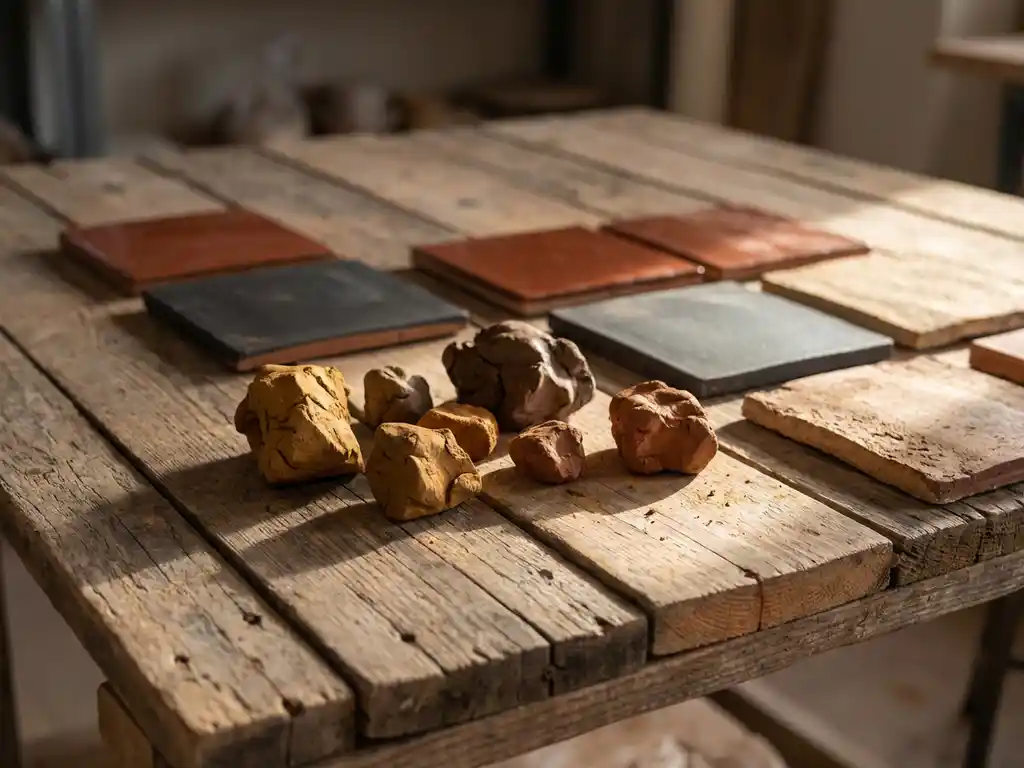
Advanced ceramic materials represent a particularly compelling option for façade applications. These materials are produced from abundant clay deposits and fired at high temperatures to create non-combustible, maintenance-free surfaces. Their longevity and recyclability make them excellent choices for exterior cladding systems.
Natural stone and recycled concrete provide thermal mass and durability for foundations and structural elements. Cork offers excellent insulation properties and comes from a renewable harvesting process that doesn’t harm the source trees. The key is matching each material’s strengths to appropriate building applications.
How do you evaluate the environmental impact of building materials?
Environmental impact evaluation requires conducting life-cycle assessments that examine resource extraction, manufacturing, transportation, use-phase performance, and end-of-life disposal or recycling. This comprehensive analysis reveals the true environmental cost of material choices beyond initial production impacts.
Carbon footprint assessment forms the foundation of environmental evaluation. This includes embodied carbon from manufacturing processes and transportation carbon from shipping materials to the construction site. Materials with lower embodied carbon and local sourcing typically offer better environmental profiles.
Resource depletion analysis examines whether materials rely on finite or renewable resources. Materials sourced from abundant deposits or renewable sources score better than those requiring rare or rapidly depleting resources. Water usage during production and the potential for recycled content also factor into resource impact calculations.
Durability and maintenance requirements significantly influence long-term environmental impact. Materials requiring frequent replacement or maintenance consume additional resources over their service life. The most sustainable choices often combine low initial environmental impact with exceptional longevity and minimal maintenance needs.
What certifications should you look for in sustainable building materials?
Key certifications for sustainable building materials include LEED product credits, BREEAM compliance, Cradle to Cradle certification, and Environmental Product Declarations. These third-party verifications provide standardized metrics for comparing environmental performance across different material options.
LEED certification focuses on recycled content, regional sourcing, and low-emitting materials that contribute to healthier indoor environments. Materials earning LEED credits help projects achieve green building certification while meeting specific performance criteria for sustainability and occupant health.
Environmental Product Declarations provide transparent, standardized reporting of environmental impacts throughout a material’s life cycle. These documents enable direct comparison between similar products and support informed decision-making based on quantified environmental data rather than marketing claims. For detailed technical specifications and certifications, you can access comprehensive documentation and samples.
Building material class certifications, particularly A1 non-combustible ratings, indicate both safety and, often, sustainability characteristics. Materials achieving these classifications typically undergo rigorous testing and often incorporate natural, non-toxic components that support both fire safety and environmental goals.
How TONALITY® helps with sustainable building material selection
TONALITY® ceramic façade systems exemplify sustainable building material principles through their combination of abundant raw materials, energy-efficient production, and exceptional longevity. These advanced ceramic elements address multiple sustainability criteria while delivering superior building performance.
Key sustainability advantages of TONALITY® systems include:
- 100% recyclable ceramic elements that can be completely deconstructed and reused
- A1 non-combustible classification with no toxic components
- Maintenance-free performance, eliminating ongoing resource consumption
- Low surface weight, reducing substructure requirements and material usage
- Permanent UV and color resistance, preventing degradation and replacement needs
- Production from abundant European clay deposits, ensuring sustainable sourcing
The single-layer ceramic construction and precision manufacturing enable decades of service without maintenance, repairs, or replacement. This longevity, combined with complete recyclability, makes TONALITY® an ideal choice for projects prioritizing both environmental responsibility and long-term performance. You can explore successful sustainable building projects in our project references to see how TONALITY® ceramic façade systems support sustainable building goals.
Related Articles
- How do mechanical fixing systems compare to adhesive systems for terracotta?
- Where should movement joints be placed in terracotta cladding?
- How do you calculate wind load resistance for terracotta systems?
- Wie verändern modulare Fassadenlösungen die Bauindustrie?
- 5 Stunning Examples of Terracotta Combined with Glass, Steel, and Wood