

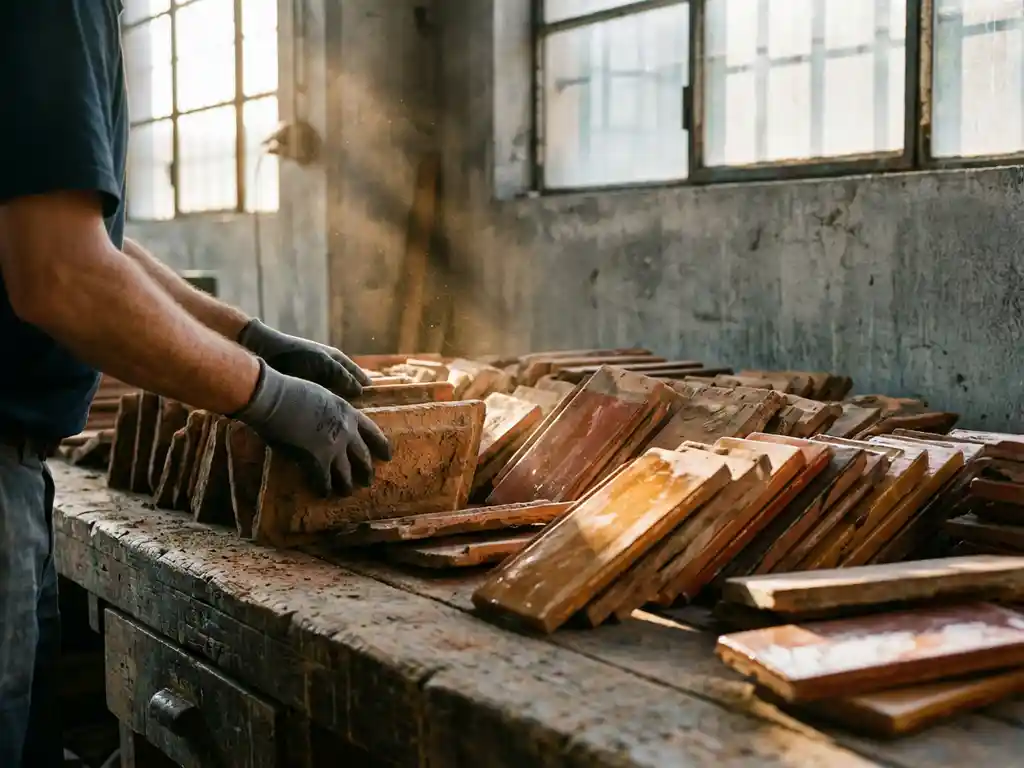
Yes, terracotta facades can be recycled at the end of their life. Ceramic facade materials are 100% recyclable due to their fired clay composition and mineral structure. The recycling process involves careful deconstruction, sorting by material type, crushing, and processing into new construction materials or aggregates. This sustainable approach reduces landfill waste and supports circular economy principles in construction.
Topic foundation
Sustainable building materials have become increasingly important as the construction industry addresses environmental impact and resource conservation. Terracotta facades represent a significant opportunity for sustainable construction practices, particularly when considering their end-of-life potential.
When buildings reach the end of their useful life, the question of what happens to facade materials becomes critical. Traditional disposal methods often involve sending materials to landfill, contributing to waste accumulation and environmental burden. However, terracotta and ceramic facade materials offer a different path forward through comprehensive recycling possibilities.
The exploration of terracotta facade recycling encompasses several key areas: the inherent recyclable properties of ceramic materials, practical recycling processes, environmental benefits, implementation challenges, and planning strategies for architects and builders. Understanding these aspects enables informed decision-making about sustainable facade solutions that contribute to circular economy principles in construction.
What makes terracotta facades recyclable in the first place?
Terracotta facades are inherently recyclable due to their fired clay mineral composition and manufacturing process. The high-temperature firing process, typically exceeding 1,200 degrees Celsius, creates a stable ceramic structure that maintains its material integrity even after decades of building use.
The mineral composition of terracotta consists primarily of natural clay materials that undergo permanent chemical changes during firing. This process creates a durable, inorganic material that does not degrade or lose its fundamental properties over time. Unlike composite materials that may separate or deteriorate, fired ceramic maintains consistent material characteristics throughout its lifecycle.
The durability characteristics of ceramic facade materials contribute significantly to their recyclability. These materials resist weathering, UV exposure, and chemical degradation, meaning they retain structural integrity when removed from buildings. The absence of organic components eliminates concerns about decomposition or contamination that might affect recycling processes.
Manufacturing consistency also supports recyclability. Modern ceramic facade production creates uniform materials with predictable properties, making them suitable for processing into new applications. The standardised firing process ensures consistent density and composition across different production batches.
How are terracotta facades actually recycled at end of life?
The terracotta recycling process begins with careful deconstruction and material sorting to separate ceramic elements from other building components. Professional deconstruction teams remove facade panels systematically, preserving material integrity for optimal recycling outcomes.
Deconstruction involves removing ceramic panels from mounting systems while avoiding damage that might compromise recycling quality. Workers separate different material types, including ceramic elements, metal fixtures, and any sealants or adhesives. This sorting stage is crucial for maintaining recycled material quality.
Processing continues with crushing and sizing operations that transform removed ceramic materials into specified aggregate sizes. Industrial crushing equipment breaks down ceramic panels into various grades, from fine powders to larger aggregate pieces. Each size serves different applications in new construction materials.
The final transformation stage involves incorporating processed ceramic materials into new construction applications. Crushed ceramic serves as aggregate in concrete production, road base materials, or drainage applications. Some recycled ceramic materials undergo further processing to create new ceramic products, completing the circular material cycle.
Quality control throughout the recycling process ensures that processed materials meet specifications for their intended applications. Testing verifies that recycled ceramic maintains the necessary structural and performance characteristics.
What are the environmental benefits of recycling terracotta facades?
Recycling terracotta facades provides substantial environmental benefits, including reduced landfill waste and a lower carbon footprint compared to new material production. The process conserves natural clay resources while supporting circular economy principles in construction.
Landfill waste reduction represents a primary environmental advantage. Ceramic materials occupy significant landfill space and remain unchanged for centuries when disposed of traditionally. Recycling diverts these durable materials from waste streams, preserving landfill capacity for materials that cannot be recycled.
Carbon footprint reduction occurs through decreased demand for new ceramic production. Manufacturing new ceramic materials requires significant energy for clay extraction, processing, and high-temperature firing. Recycling existing materials eliminates much of this energy requirement, reducing overall carbon emissions associated with building materials.
Natural resource conservation benefits include reduced clay quarrying and preservation of raw material deposits. Clay extraction involves landscape disruption and transportation impacts. Using recycled ceramic materials reduces pressure on natural clay deposits while maintaining construction material availability.
Contribution to the circular economy extends beyond individual projects to support broader sustainable construction practices. Recycled ceramic materials demonstrate that high-quality building materials can maintain utility through multiple lifecycle phases, encouraging similar approaches across the construction industry.
What challenges exist when recycling terracotta building materials?
Recycling terracotta building materials faces several challenges, including contamination from adhesives and sealants, transportation logistics, market demand variations, and economic considerations that affect recycling viability.
Contamination issues arise from installation materials like adhesives, sealants, and mounting compounds that bond to ceramic surfaces during building use. These substances can affect recycled material quality and may require additional processing steps to achieve acceptable purity levels for new applications.
Transportation logistics present practical obstacles, particularly for projects in remote locations or areas without nearby recycling facilities. The weight and bulk of ceramic materials increase transportation requirements, potentially affecting the economic viability of recycling compared to local disposal options.
Market demand for recycled ceramic materials varies by region and application. Limited local demand for processed ceramic materials may reduce recycling opportunities, particularly in areas without established markets for recycled construction materials. Developing consistent demand channels requires industry coordination and awareness.
Economic considerations include processing costs, transportation expenses, and market pricing for recycled materials. The viability of recycling depends on these factors balancing favourably compared to traditional disposal methods. Economic incentives or regulatory requirements may influence recycling adoption rates.
How can architects and builders plan for terracotta facade recycling?
Architects and builders can facilitate terracotta facade recycling by selecting installation methods and systems that enable easy deconstruction, documenting material specifications, and choosing facade systems designed for future recycling processes.
Installation method selection significantly impacts future recycling potential. Mechanical fastening systems generally allow easier deconstruction compared with adhesive-based installations. Choosing reversible connection methods enables facade removal without material damage, preserving recycling quality.
Material specification documentation provides essential information for future recycling processes. Recording ceramic material types, installation methods, and any treatment applications helps recycling facilities understand material characteristics and processing requirements. Comprehensive documentation supports efficient deconstruction and material sorting.
System selection should prioritise designs that facilitate component separation and material recovery. Facade systems with clearly defined material boundaries and accessible connections enable more efficient deconstruction. Avoiding mixed-material components simplifies sorting and processing requirements.
Planning for deconstruction involves considering access requirements and removal sequences during initial design phases. Designing facades with future deconstruction in mind enables more efficient material recovery while reducing deconstruction complexity and associated environmental impact.
How TONALITY® helps with sustainable terracotta facade recycling
TONALITY® ceramic facade systems are specifically designed for complete recyclability, featuring 100% recyclable materials and easy deconstruction methods that support sustainable building practices and circular economy principles.
The TONALITY® system incorporates several features that facilitate end-of-life recycling:
- Single-layer ceramic production without composite materials or coatings that complicate recycling
- Mechanical mounting systems with aluminium profiles that enable clean deconstruction
- Component-specific design allowing precise sorting by material type
- A1 building material classification ensuring a non-combustible, pure ceramic composition
- Precise manufacturing tolerances that maintain material integrity throughout the building lifecycle
The interlocking profile system allows facade elements to be removed systematically without damage, preserving material quality for recycling processes. This approach eliminates the contamination issues often associated with adhesive-based installation methods.
TONALITY® ceramic elements maintain their structural properties throughout decades of use, ensuring that recycled materials meet quality standards for new construction applications. The consistent firing process and mineral composition support reliable recycling outcomes.
For architects and builders committed to sustainable construction practices, TONALITY® provides a comprehensive solution that addresses both immediate performance requirements and long-term environmental responsibility. Contact our team to explore how TONALITY® ceramic facade systems can support your sustainable building projects with recyclable, high-performance facade solutions.