

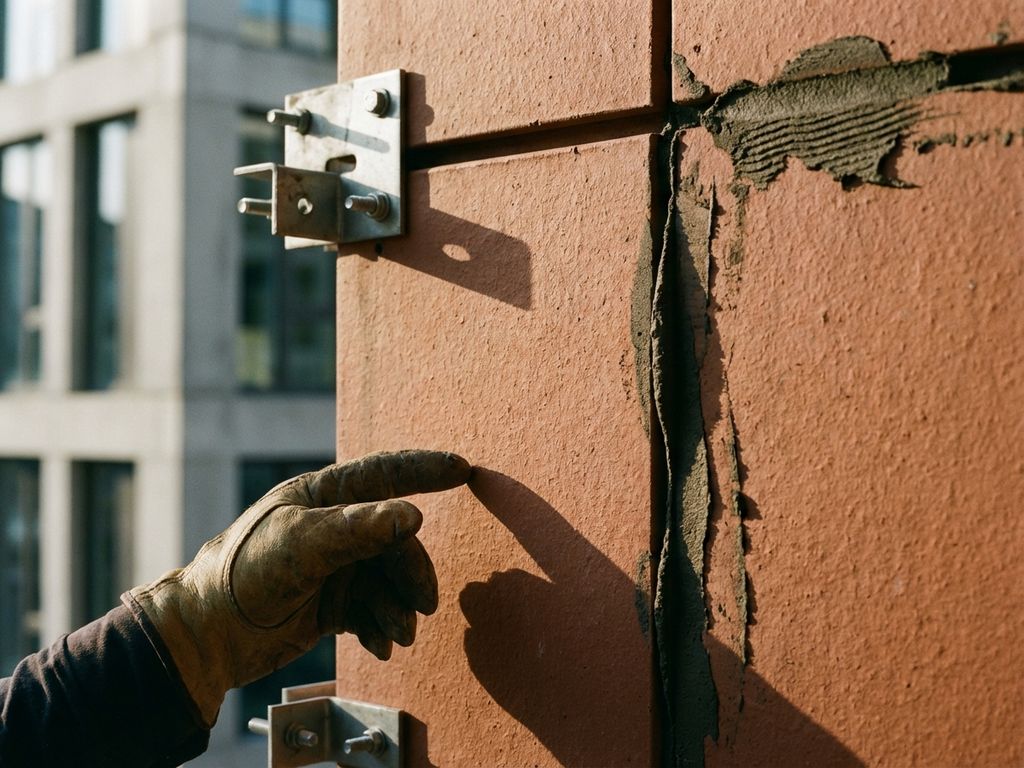
Mechanical fixing systems secure terracotta facades using physical fasteners and structural components, while adhesive systems rely on specialized bonding agents. Mechanical systems typically offer superior long-term durability and easier maintenance access, making them ideal for high-rise buildings and demanding environments. The choice between systems depends on building height, substrate conditions, and lifecycle requirements.
What are the main differences between mechanical and adhesive terracotta fixing systems?
Mechanical fixing systems use physical fasteners and structural frameworks to secure terracotta elements to building facades. These systems typically employ brackets, rails, clips, or interlocking profiles that create a direct mechanical connection between the ceramic elements and the building structure. The terracotta panels are designed with specific profiles or mounting points that interface with the structural support system.
Adhesive systems bond terracotta facades directly to substrate surfaces using high-performance structural adhesives or modified cement-based mortars. These systems create a continuous bond across the back surface of the ceramic elements, distributing loads through chemical adhesion rather than mechanical connection points.
The fundamental difference lies in load transfer mechanisms. Mechanical systems transfer loads through discrete connection points and structural members, allowing for controlled movement and thermal expansion. Adhesive systems distribute loads across the entire bonded surface, creating a more rigid connection that must accommodate movement through the adhesive’s flexibility.
Installation approaches also differ significantly. Mechanical systems require precise alignment of structural supports before mounting ceramic elements, while adhesive systems focus on substrate preparation and adhesive application techniques. Mechanical installations often allow for adjustment during fitting, whereas adhesive systems require accurate positioning from the outset.
Which terracotta fixing system offers better long-term durability and maintenance?
Mechanical fixing systems generally provide superior long-term durability due to their ability to accommodate thermal movement and structural settlement without compromising the integrity of individual ceramic elements. The discrete connection points allow each panel to move independently, reducing stress concentrations that could lead to cracking or failure.
Weather resistance favours mechanical systems because they typically incorporate drainage channels and ventilation gaps that prevent moisture accumulation behind the facade. This design approach reduces freeze-thaw damage and eliminates many moisture-related deterioration mechanisms that can affect adhesive bonds over time.
Maintenance access represents a significant advantage for mechanical systems. Individual terracotta elements can be removed and replaced without disturbing adjacent panels, making repairs straightforward and economical. Adhesive systems often require cutting or breaking bonds to access damaged elements, potentially affecting surrounding areas and increasing repair complexity.
Thermal movement accommodation is crucial for terracotta facades exposed to temperature variations. Mechanical systems handle expansion and contraction through designed movement joints and flexible connections. Adhesive systems must rely on the adhesive’s ability to flex and maintain bond strength through thermal cycling, which can degrade over time.
How do installation costs and timeframes compare between mechanical and adhesive systems?
Initial installation expenses for mechanical systems typically involve higher upfront structural costs due to the requirement for precision-engineered support frameworks and specialized mounting hardware. However, these systems often provide better long-term value through reduced maintenance requirements and easier repair access throughout the building’s lifecycle.
Labour requirements differ substantially between the two approaches. Mechanical systems require skilled trades familiar with structural installation techniques and precise alignment procedures. Adhesive systems need expertise in surface preparation, adhesive mixing, and application timing, with particular attention to weather conditions during installation.
Project timelines favour mechanical systems in many scenarios because they are less dependent on weather conditions and curing times. Ceramic elements can be mounted immediately once the structural framework is complete, whereas adhesive systems require specific temperature and humidity ranges, plus curing periods before the facade becomes fully functional.
Specialized equipment needs vary between systems. Mechanical installations require lifting equipment and precision measuring tools for structural alignment. Adhesive systems need mixing equipment, application tools, and sometimes temporary support systems to hold elements in position during curing periods.
What building types and conditions favour mechanical versus adhesive terracotta systems?
Building height significantly influences system selection, with mechanical systems strongly favoured for high-rise applications above four storeys. The increased wind loads and structural movement in tall buildings require the flexibility and load distribution capabilities that mechanical systems provide. Adhesive systems work well for low-rise residential and commercial buildings where structural loads remain manageable.
Substrate conditions play a crucial role in system viability. Mechanical systems can accommodate various substrate materials and conditions because they transfer loads through structural members rather than relying on substrate bond strength. Adhesive systems require excellent substrate quality, proper preparation, and compatible surface materials to achieve reliable long-term performance.
Structural requirements favour mechanical systems when buildings experience significant movement from wind, seismic activity, or thermal expansion. The designed flexibility in mechanical connections accommodates these movements without compromising facade integrity. Buildings in stable environments with minimal movement can successfully utilise adhesive systems.
Architectural design factors influence system choice through panel size, surface complexity, and aesthetic requirements. Large-format terracotta panels typically require mechanical support due to their weight and wind resistance. Complex curved or angled facades may benefit from the adaptability of mechanical systems, while simple flat installations might suit adhesive approaches.
How do TONALITY® ceramic facade systems optimise mechanical fixing performance?
TONALITY® ceramic facade systems utilise an advanced mechanical fixing approach featuring back-profiled ceramic elements that interlock precisely with vertical aluminium retaining profiles. This innovative design eliminates complex fastening procedures while ensuring secure, long-lasting installation across various building applications.
The system advantages include:
- Single-layer ceramic construction with a low surface weight of approximately 40 kilograms per square metre, reducing structural load requirements
- Interlocking profile design that simplifies installation to « mount and done » efficiency
- Building material class A1 certification providing non-combustible fire protection properties
- Integrated thermal movement accommodation through the aluminium profile system
- Individual element replacement capability for easy maintenance and repair access
- Precision manufacturing tolerances within one millimetre for consistent installation quality
This mechanical approach proves particularly beneficial for timber construction projects, where the lightweight ceramic elements enable reduced substructure requirements while maintaining excellent fire protection. The system’s 100% recyclability and component-level disassembly support sustainable building practices throughout the structure’s lifecycle.
Ready to explore how TONALITY® mechanical fixing systems can enhance your next terracotta facade project? Contact our technical team for detailed system specifications and project-specific consultation to ensure optimal performance for your building requirements.