

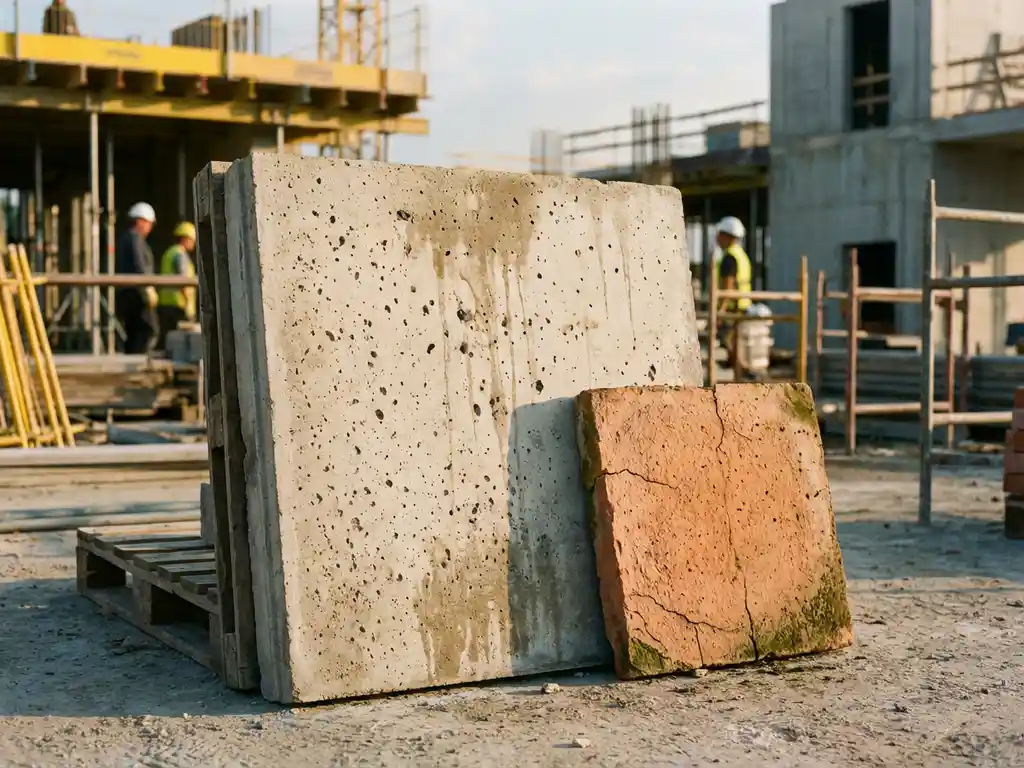
Terracotta generally offers superior durability compared to fiber cement for building facades. Terracotta’s fired clay composition provides exceptional longevity, often lasting 100+ years with minimal maintenance, while fiber cement typically requires replacement after 30–50 years. Both materials resist weather well, but terracotta’s natural properties and manufacturing process create a more resilient, maintenance-free facade solution for long-term building performance.
What makes a facade material truly durable in different climates?
True facade durability depends on five critical factors: weather resistance, thermal stability, UV protection, moisture management, and structural integrity. Materials must withstand temperature fluctuations, resist water penetration, maintain color stability under constant sun exposure, and retain structural properties across decades of environmental stress.
Weather resistance forms the foundation of facade durability. Materials face constant exposure to rain, wind, snow, and temperature changes. The most durable options resist freeze-thaw cycles without cracking, maintain surface integrity during heavy storms, and show minimal degradation from seasonal weather patterns.
Thermal cycling presents another major challenge. Daily temperature variations cause materials to expand and contract repeatedly. Durable facade materials accommodate these movements without developing stress fractures or losing adhesion to substrates. This thermal stability becomes particularly important in climates with extreme temperature ranges.
UV exposure gradually breaks down many building materials through photodegradation. Quality facade materials maintain their color, surface texture, and structural properties despite decades of sunlight exposure. This UV resistance prevents fading, chalking, and surface deterioration that compromise both appearance and performance.
Moisture management capabilities determine long-term durability. Effective facade materials either repel water completely or manage moisture absorption and release without damage. Poor moisture control leads to freeze damage, biological growth, and gradual material breakdown.
How does fiber cement compare to terracotta in terms of longevity?
Terracotta significantly outlasts fiber cement in facade applications. Quality terracotta facades commonly perform well for 75–100+ years, while fiber cement typically requires replacement or major maintenance after 30–50 years. This longevity difference stems from their fundamental material properties and manufacturing processes.
Fiber cement durability depends on the cement matrix and fiber reinforcement. Over time, moisture penetration can cause fiber degradation and cement carbonation. These processes gradually weaken the material, leading to surface deterioration, cracking, and eventual replacement needs. Coastal environments with salt exposure accelerate this degradation.
Terracotta’s superior longevity comes from its fired clay composition. The high-temperature manufacturing process creates a dense, vitrified material that resists water absorption and chemical attack. Historical terracotta buildings demonstrate this durability, with many facades remaining functional after a century of service.
Real-world performance data show terracotta maintaining structural integrity and appearance far longer than fiber cement. While fiber cement may show surface wear, color changes, and edge deterioration within 20–30 years, properly manufactured terracotta often looks nearly identical to its original installation after similar timeframes.
The degradation patterns differ significantly. Fiber cement tends to show gradual surface erosion, potential cracking, and color fading. Terracotta typically maintains its surface quality and structural properties throughout its service life, with any changes occurring very slowly over decades.
What are the maintenance requirements for fiber cement versus terracotta facades?
Terracotta requires minimal maintenance compared to fiber cement facades. High-quality terracotta often needs only periodic cleaning, while fiber cement may require repainting, sealant replacement, and surface repairs throughout its service life. This maintenance difference significantly impacts total cost of ownership.
Fiber cement maintenance typically includes regular inspection for cracks or surface damage, periodic repainting to maintain weather protection and appearance, caulk and sealant replacement around joints, and potential board replacement if damage occurs. These maintenance activities generally occur every 10–15 years for painting and more frequently for sealant work.
Terracotta maintenance primarily involves cleaning to remove accumulated dirt, organic growth, or pollutants. The fired surface resists staining and biological growth better than most alternatives. Properly installed terracotta systems rarely require structural repairs or component replacement during normal service life.
Cleaning procedures differ between materials. Fiber cement requires careful cleaning to avoid surface damage, while terracotta’s dense surface tolerates more aggressive cleaning methods when necessary. This cleaning tolerance makes terracotta easier to maintain in urban environments with higher pollution levels.
Repair procedures also vary significantly. Fiber cement repairs often involve patching, priming, and painting to match existing surfaces. Terracotta repairs typically involve replacing individual elements, which can be more straightforward since the material does not require surface treatments for weather protection.
Which facade material offers better resistance to extreme weather conditions?
Terracotta provides superior resistance to extreme weather conditions compared to fiber cement. Its fired clay composition and low water absorption make it exceptionally resistant to freeze-thaw cycles, high winds, heavy precipitation, and temperature extremes. Fiber cement, while weather-resistant, shows greater vulnerability to moisture-related damage and thermal stress.
Freeze-thaw resistance represents a critical performance difference. Terracotta’s low porosity prevents water absorption that could cause freeze damage. Quality terracotta maintains structural integrity through hundreds of freeze-thaw cycles. Fiber cement, with higher moisture absorption potential, faces greater risk of freeze damage, particularly at edges and damaged areas.
Wind resistance depends on both material properties and installation systems. Terracotta’s density and mechanical attachment systems provide excellent wind resistance. The material itself resists impact damage from wind-borne debris. Fiber cement offers good wind resistance but may be more susceptible to impact damage from flying objects during severe storms.
Heavy rain and moisture exposure favor terracotta’s performance. Its fired surface resists water penetration and does not degrade from constant moisture exposure. Fiber cement performs adequately in normal rainfall but may experience gradual degradation in consistently wet climates or areas with frequent driving rain.
Temperature extremes affect both materials differently. Terracotta’s manufacturing process prepares it for temperature variations, maintaining stability across wide temperature ranges. Fiber cement expands and contracts more significantly, potentially leading to stress at attachment points and joints during extreme temperature swings.
How TONALITY® ceramic facades deliver superior durability for modern buildings
TONALITY® ceramic facade systems address durability challenges through advanced sinter-firing processes at temperatures exceeding 1,200°C, creating exceptionally dense, weather-resistant surfaces. This manufacturing approach produces ceramic elements with unrivaled smooth surfaces, integrated graffiti protection, and permanent color stability that outlasts conventional facade materials.
TONALITY® delivers superior durability through several key advantages:
- Advanced manufacturing: Sinter-firing creates vitrified surfaces with minimal porosity for exceptional weather resistance
- Integrated protection: Built-in graffiti resistance and UV stability eliminate common maintenance requirements
- Precision installation: Interlocking profiles with aluminum retaining systems ensure secure, long-lasting attachment
- Material classification: A1 non-combustible rating provides superior fire protection for building safety
- Sustainable design: 100% recyclable materials support circular construction principles
- Lightweight construction: Low surface weight reduces structural requirements while maintaining durability
The combination of advanced ceramic technology, precision manufacturing, and innovative installation systems makes TONALITY® an ideal solution for architects and builders seeking maintenance-free facade performance. View our completed projects to see how TONALITY® ceramic facades deliver exceptional durability in real-world applications. Contact our technical team to explore how TONALITY® ceramic facades can deliver exceptional durability for your next building project.
Powiązane artykuły
- Wie plant man Schulgebäude für wachsende Schülerzahlen zukunftssicher?
- Welche CO2-Reduktionsziele gelten für öffentliche Schulgebäude in Deutschland 2026?
- What are the latest trends in architectural design?
- How do perforated terracotta screens balance natural light with privacy?
- Does vertical or horizontal terracotta orientation affect building perception?