

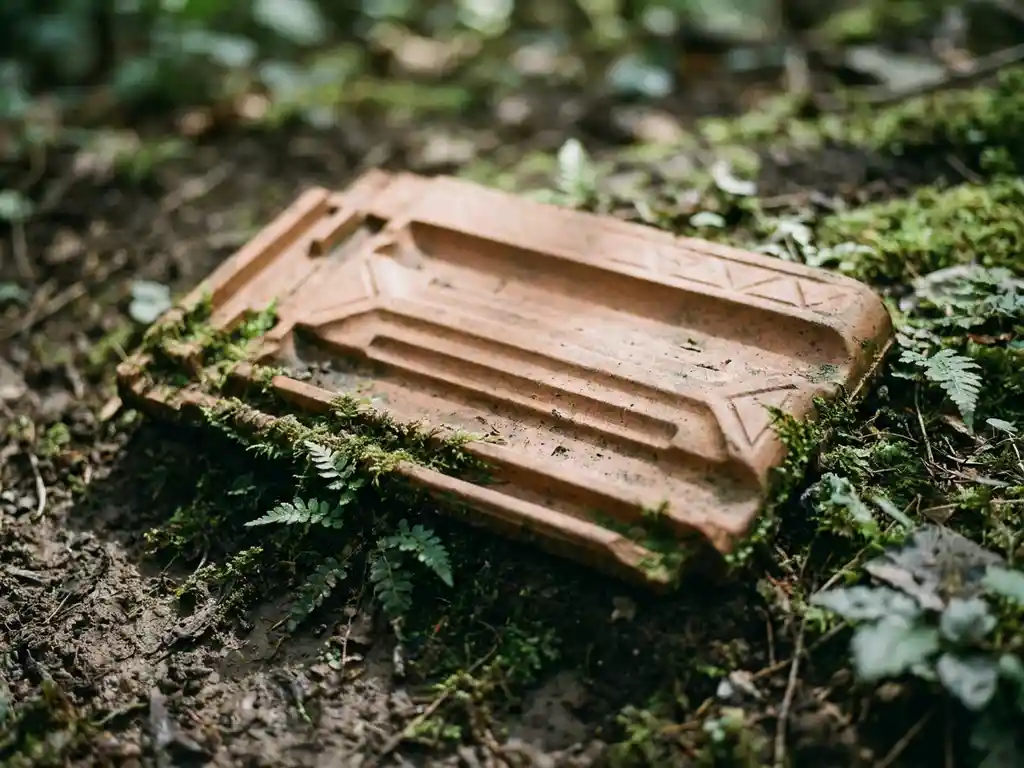
The carbon footprint of terracotta facades typically ranges from moderate to low compared to many conventional cladding materials, though the exact figure depends on firing energy sources, transport distances, and how end-of-life recyclability is accounted for. The dominant factor is the high-temperature kiln firing process, which is energy-intensive by nature but significantly offset by the material’s exceptional longevity, minimal maintenance requirements, and full recyclability. The sections below address the most common questions specifiers and project managers ask when evaluating the environmental profile of ceramic and terracotta facade systems.
How is the carbon footprint of terracotta facades calculated?
The carbon footprint of terracotta facades is calculated using a lifecycle assessment (LCA) that accounts for raw material extraction, manufacturing energy consumption, transport, installation, in-service maintenance, and end-of-life processing. The manufacturing phase, particularly kiln firing, typically contributes the largest share of embodied carbon, but a complete LCA captures the full picture across all stages.
A cradle-to-grave LCA for terracotta cladding considers the following stages:
- Raw material extraction: Clay mining and preparation, including any water and energy used in processing
- Manufacturing: Kiln firing temperatures, fuel type (gas, biomass, or electricity from renewables), and plant efficiency
- Transport: Distance from factory to construction site, and the weight of material being shipped
- Installation: Substructure materials required, labor hours, and any waste generated on site
- In-service phase: Maintenance frequency, cleaning products used, and any replacement of components
- End of life: Whether the material is recycled, downcycled, or sent to landfill
For specifiers comparing ceramic facade systems across projects, requesting an Environmental Product Declaration (EPD) from the manufacturer is the most reliable way to compare embodied carbon on a like-for-like basis. EPDs standardize the LCA methodology so that one product’s figures can be meaningfully set against another. To see how these principles apply in practice, reviewing completed terracotta facade projects can help illustrate how material choices translate into real-world performance.
What makes terracotta firing so energy-intensive?
Terracotta firing is energy-intensive because clay must be heated to temperatures exceeding 1,000 degrees Celsius to achieve the ceramic transformation known as sintering. At these temperatures, clay particles fuse into a dense, vitrified structure that gives terracotta its hardness, weather resistance, and dimensional stability. Reaching and sustaining those temperatures requires substantial thermal energy input.
The sintering process is not simply about reaching a peak temperature. Kilns must also follow precise heating and cooling curves to prevent cracking, warping, or surface defects. This controlled cycle extends the overall energy demand per batch. The type of fuel used in the kiln is therefore one of the most significant variables in a terracotta manufacturer’s carbon intensity. Manufacturers transitioning to renewable electricity or biomass-fuelled kilns can reduce process emissions substantially compared to those still relying on natural gas.
It is worth noting that the energy investment in firing pays dividends over the building’s lifespan. A facade fired to full vitrification at over 1,200 degrees Celsius produces an exceptionally dense surface that resists moisture absorption, biological growth, and UV degradation without the need for coatings or sealants. That maintenance-free performance means the embodied carbon of manufacturing is not repeatedly supplemented by the operational carbon of upkeep products and replacement cycles. Understanding the range of available terracotta surfaces and formats is a useful starting point when evaluating how material specification affects the long-term environmental profile of a project.
How does terracotta compare to other facade materials in CO2 emissions?
Terracotta generally has lower embodied carbon than aluminium composite panels and high-pressure laminate cladding, broadly comparable emissions to fiber cement, and higher manufacturing emissions than untreated timber. However, direct comparisons must account for service life and maintenance requirements, not just upfront manufacturing carbon, to be meaningful.
A material with lower manufacturing emissions but a shorter service life or higher maintenance demand can accumulate more total carbon over a building’s lifespan than a more energy-intensive material that lasts several decades without intervention. Terracotta’s strength in this comparison lies in its durability. Permanent UV resistance, integrated weather protection, and resistance to biological staining mean that terracotta facades do not require periodic repainting, resealing, or early replacement in the way that some lower-embodied-carbon alternatives do.
Aluminium, for example, carries significant embodied carbon due to the energy demands of smelting, though recycled aluminium performs considerably better. The substructure for heavier facade systems also adds to the total material and carbon budget of a project, which is where the low dead weight of ceramic cladding becomes a relevant factor in the overall emissions comparison.
Does recyclability affect the overall carbon footprint of terracotta facades?
Yes, recyclability meaningfully reduces the overall lifecycle carbon footprint of terracotta facades by offsetting the end-of-life disposal impact and enabling the material’s embodied energy to be recovered rather than wasted. When a facade is fully recyclable and can be deconstructed by component type with minimal effort, the LCA calculation at end of life reflects a credit rather than a landfill burden.
Terracotta is an inorganic, mineral-based material that can be fully recycled. Ceramic elements can be crushed and reprocessed as aggregate or raw material inputs, keeping the material in productive use rather than adding to demolition waste. In an era where circular economy principles are increasingly embedded in building regulations and green certification schemes, a facade system’s recyclability is no longer a secondary consideration but a core part of the environmental specification.
The practical ease of deconstruction also matters. Facade systems that allow components to be separated by material type without destructive removal support genuine recyclability rather than theoretical recyclability. Systems where ceramic tiles, aluminium profiles, and fixings can be individually recovered at end of life make the circular economy promise achievable on real projects. Specifiers who want to assess specific system configurations in detail can download technical documentation and request samples to evaluate material properties before committing to a specification.
What role does low dead weight play in reducing a facade’s carbon footprint?
Low dead weight reduces a facade’s carbon footprint by decreasing the amount of substructure material required to support the cladding system. A lighter facade needs lighter brackets, fewer fixings, and less structural steel or aluminium in the supporting framework, all of which carry their own embodied carbon. Reducing substructure material therefore reduces total project emissions beyond the cladding itself.
This effect is particularly significant in timber construction, where facade weight directly influences structural engineering decisions. A ceramic facade system with a surface weight of around 40 kilograms per square metre places far less demand on the building structure than heavier stone or concrete cladding alternatives. That weight reduction translates into a lighter primary structure, reduced foundation loads, and less material used throughout the building, compounding the carbon benefit across multiple building elements.
There is also a transport dimension. Lighter facade panels mean more coverage per delivery vehicle, reducing the number of vehicle movements required on site and lowering the transport-related carbon contribution of the project. For large-scale facade projects, this logistical efficiency is a tangible environmental gain alongside the structural benefits.
How can specifiers reduce the carbon impact of a terracotta facade project?
Specifiers can reduce the carbon impact of a terracotta facade project by prioritizing manufacturers with low-carbon firing processes, sourcing materials with short transport distances, specifying lightweight systems that minimize substructure requirements, and designing for deconstruction so that components can be recovered and recycled at end of life.
The most impactful decisions happen early in the specification process:
- Request EPDs from manufacturers to compare the verified embodied carbon of competing ceramic facade systems on a consistent, standardized basis
- Prioritize regional sourcing to minimize transport emissions, particularly for large-format or heavy-volume orders
- Specify lightweight systems that reduce substructure material demand and structural loading throughout the building
- Design for longevity by selecting surfaces with proven UV and weather resistance that will not require coating or replacement within the building’s service life
- Plan for deconstruction by choosing facade systems where tiles, profiles, and fixings are separable by material type for end-of-life recycling
- Avoid over-specification of protective coatings on materials that are inherently maintenance-free, as additional surface treatments introduce both material carbon and ongoing operational carbon
Specifying a ceramic facade system that combines low surface weight, high durability, and full recyclability addresses multiple points on this list simultaneously. The most sustainable facade specification is one where the material’s inherent properties do the environmental work, reducing the need for supplementary treatments, early replacement cycles, or complex end-of-life processing. In 2026, with embodied carbon increasingly scrutinized under whole-life carbon assessments and green building standards, these decisions carry real weight in meeting project sustainability targets.
How TONALITY® helps reduce the carbon footprint of your terracotta facade
TONALITY® is engineered to address the environmental challenges outlined throughout this article, combining low embodied carbon, exceptional durability, and genuine end-of-life recyclability in a single facade system. For specifiers working to meet whole-life carbon targets, TONALITY® offers concrete advantages at every stage of the lifecycle:
- High-temperature sinter firing: Elements fired at over 1,200°C achieve full vitrification, producing a dense, maintenance-free surface that eliminates the need for coatings, sealants, or early replacement — keeping operational carbon to a minimum over the building’s full service life
- Low dead weight: With a surface weight of approximately 40 kg/m², TONALITY® reduces substructure material requirements, lowers structural loading, and decreases transport emissions across large-scale projects
- Full recyclability: TONALITY® ceramic elements are 100% recyclable and designed for straightforward deconstruction, supporting circular economy compliance and generating an end-of-life credit rather than a landfill burden in LCA calculations
- EPD-backed transparency: Environmental Product Declarations are available to support green building certification and enable like-for-like embodied carbon comparisons during the specification process
- Wide format and surface range: A broad portfolio of surfaces and formats allows specifiers to optimize panel sizing for minimal waste on site without compromising design intent
If you are specifying a facade project with sustainability targets and want to understand how TONALITY® performs against your specific carbon requirements, contact the TONALITY® team to discuss your project in detail.