

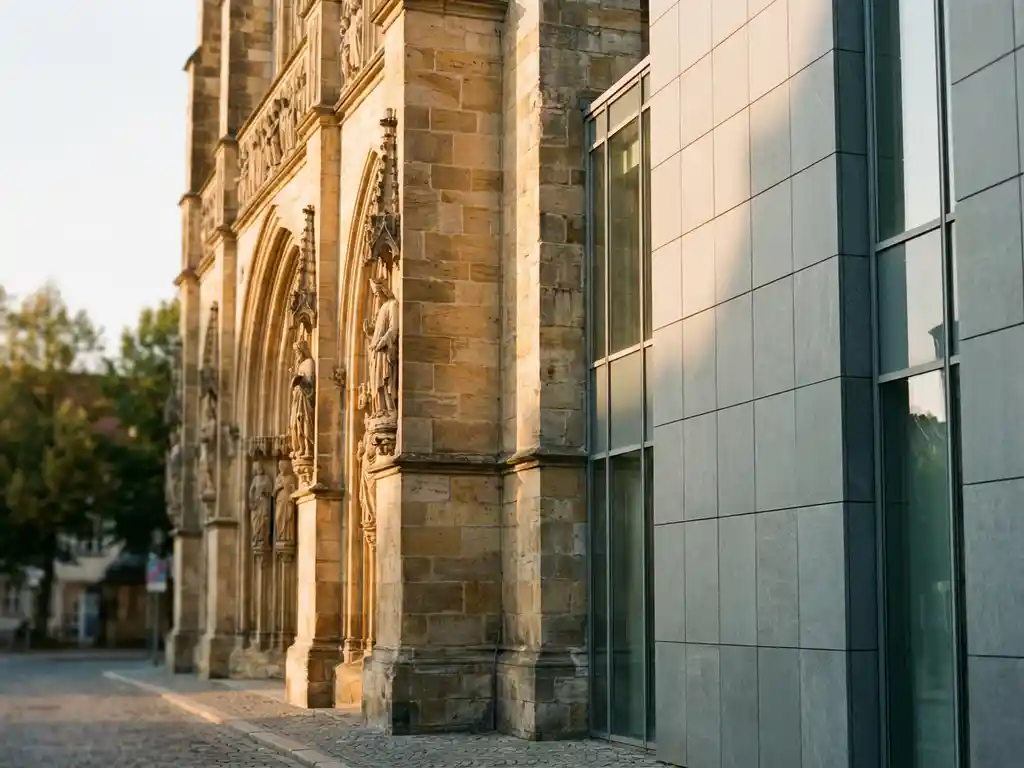
Great architectural design transcends fleeting trends to create buildings that remain relevant, beautiful, and functional for generations. While contemporary styles may capture attention momentarily, truly timeless structures endure because they balance aesthetic appeal with practical considerations and high-quality materials.
Understanding what separates enduring architectural design from passing fashion helps architects, developers, and building owners make decisions that stand the test of time. The most enduring buildings share common principles that go far beyond surface-level styling.
What defines timeless architecture versus trendy design?
Timeless architecture prioritizes fundamental design principles—such as proportion, harmony, and human scale—over fashionable aesthetics, while trendy design focuses on current visual styles that may quickly become outdated. Timeless buildings emphasize clean lines, balanced compositions, and materials that age gracefully.
Classic architectural elements that define enduring design include symmetrical façades, well-proportioned windows, and thoughtful relationships between solid and void. These buildings often draw on established architectural traditions while adapting them to contemporary needs. Think of structures like the Villa Savoye by Le Corbusier or traditional Georgian townhouses, which remain visually compelling decades—or even centuries—after construction.
Trendy design, in contrast, often emphasizes novelty and visual impact through unusual forms, bright colors, or experimental materials. While these approaches can create striking buildings, they risk appearing dated as design fashions change. The key difference lies in whether design decisions support long-term functionality and aesthetic appeal or primarily aim to make a bold statement.
How do material choices impact a building’s longevity?
Material selection directly determines a building’s durability, maintenance requirements, and visual aging process. High-quality materials such as natural stone, fired ceramics, and properly treated metals can maintain their appearance and structural integrity for decades. Poor material choices can lead to premature deterioration and costly renovations.
Durable materials share several characteristics that contribute to architectural longevity. They resist weathering from UV exposure, temperature fluctuations, and moisture penetration. Materials like brick, stone, and high-fired ceramics develop attractive patinas over time rather than showing signs of decay. These materials also require minimal maintenance, reducing long-term ownership costs.
The surface quality of materials plays a crucial role in how they age. Dense, non-porous surfaces resist staining and biological growth while maintaining their original color and texture. Materials with integrated UV resistance help prevent fading and degradation from sun exposure. Additionally, high-performance ceramic surfaces that can be easily cleaned or restored help buildings maintain their intended appearance throughout their service life.
What role does functionality play in timeless design?
Functionality is the foundation of timeless architectural design, ensuring buildings meet human needs effectively while remaining adaptable to changing uses over time. Well-designed functional elements—such as efficient layouts, appropriate lighting, and flexible spaces—help prevent buildings from becoming obsolete.
Timeless buildings excel at balancing specific programmatic requirements with adaptability. They provide generous ceiling heights, clear structural spans, and logical circulation patterns that can accommodate a range of activities. This flexibility allows buildings to serve different purposes as needs evolve, significantly extending their useful life.
The integration of building systems also affects long-term functionality. Thoughtful placement of mechanical, electrical, and plumbing systems allows for easier maintenance and upgrades without compromising the building’s architectural integrity. Buildings designed with accessible service corridors and standardized connection points can adapt to new technologies while preserving their essential character.
How can modern buildings achieve classical longevity?
Modern buildings achieve classical longevity by combining contemporary construction techniques with time-tested design principles, emphasizing quality materials, human-scaled proportions, and flexible functionality over stylistic novelty. This approach creates structures that feel both current and enduring.
Successful contemporary buildings often reference classical proportional systems while using modern materials and construction methods. They may employ traditional ratios for window placement and building massing while incorporating advanced insulation, structural systems, and environmental controls. This synthesis creates buildings that feel familiar and comfortable while meeting current performance standards.
The key lies in focusing on architectural fundamentals rather than surface styling. Buildings with well-considered site relationships, appropriate scale transitions, and logical organizational principles tend to age well regardless of their specific aesthetic approach. Modern buildings that prioritize daylight, natural ventilation, and a connection to outdoor spaces tap into timeless human preferences that transcend stylistic periods.
How TONALITY® Ceramic Façades Support Timeless Design
TONALITY® ceramic façade systems provide a material foundation for creating buildings with lasting visual appeal and minimal maintenance requirements. Our high-fired ceramic elements offer several advantages for timeless architectural design:
- Permanent color stability and UV resistance that prevent fading over decades
- Dense, smooth surfaces that resist staining and biological growth
- Integrated graffiti protection for urban applications
- A wide range of colors and textures that complement both traditional and contemporary design approaches
- Precise manufacturing tolerances that ensure a consistent appearance
- 100% recyclable materials that support sustainable building practices
Lightweight ceramic construction reduces structural requirements while providing excellent fire resistance and weather protection. This combination of performance and aesthetics helps create buildings that maintain their intended appearance with minimal intervention. You can explore successful project examples and contact our design team to explore how TONALITY® ceramic façades can contribute to your next timeless architectural project.
Related Articles
- Terracotta vs GFRC: Weight, Cost, and Aesthetic Differences
- What does an architectural designer actually do?
- The Ultimate Material Selection Matrix: Choosing Between 8 Facade Materials
- 6 Performance Advantages of Terracotta vs Fiber Cement Cladding
- What tools are needed for terracotta facade installation?