

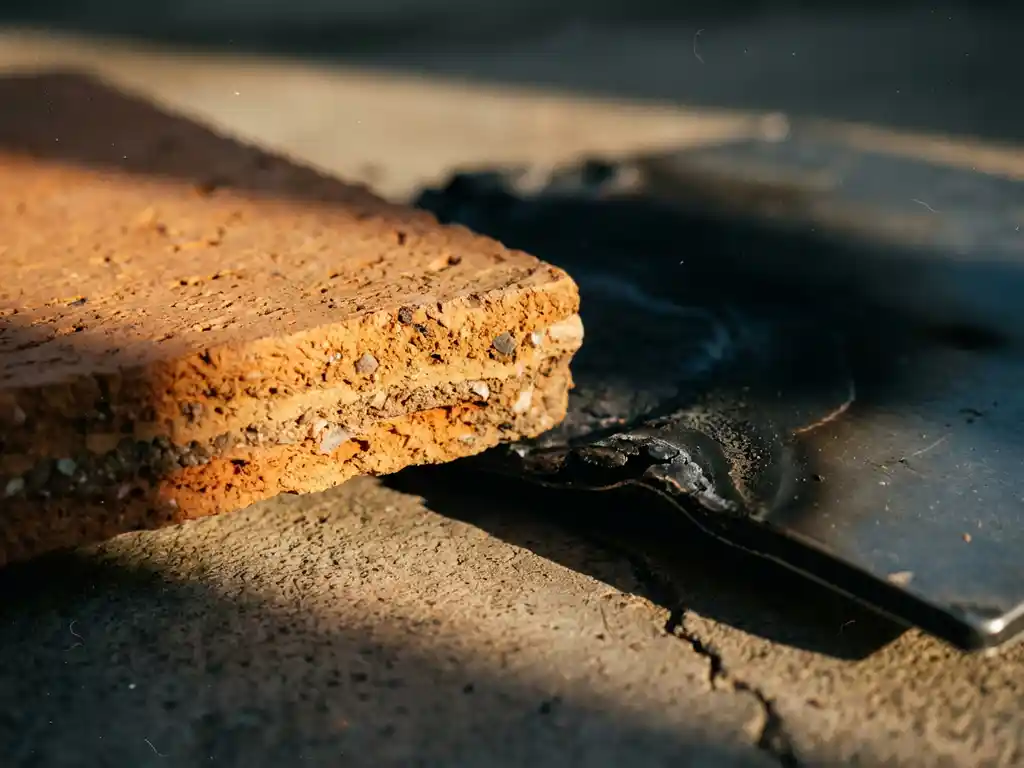
Terracotta safety significantly exceeds ACM panel performance due to its non-combustible ceramic composition and A1 fire rating. Unlike ACM panels, which contributed to the rapid fire spread at Grenfell Tower through their combustible polyethylene cores, terracotta facades contain no flammable materials and maintain structural integrity during fire exposure, making them inherently fire-safe building materials.
What exactly happened with ACM panels during the Grenfell Tower fire?
ACM panels at Grenfell Tower contained a combustible polyethylene core that ignited and spread flames rapidly up the building’s exterior. The aluminium composite material cladding system failed catastrophically when exposed to fire, with the plastic core melting and burning while releasing toxic gases.
The investigation revealed that the ACM panels had a polyethylene core sandwiched between thin aluminium sheets. When fire reached the cladding through a kitchen window, the polyethylene ignited and created a chimney effect that accelerated flame spread vertically. The burning plastic core dripped molten material, spreading fire to additional floors and creating multiple ignition points across the facade.
Building fire safety experts found that the cladding system transformed what should have been a contained apartment fire into a building-wide catastrophe. The combustible core materials generated intense heat and toxic smoke, while the lightweight construction allowed rapid fire propagation that overwhelmed the building’s original fire safety systems.
Why are terracotta facades considered fire-safe building materials?
Terracotta facades achieve A1 non-combustible classification because they are manufactured from natural clay fired at temperatures exceeding 1,200°C. This ceramic composition contains no organic materials or flammable components, making terracotta inherently fire-resistant and incapable of contributing to fire spread or smoke production.
The high-temperature manufacturing process creates a dense, vitrified ceramic structure that remains stable under fire conditions. Unlike composite materials, terracotta maintains its structural integrity when exposed to flames and does not release toxic gases or molten materials that could spread fire to other building areas.
Ceramic cladding systems perform exceptionally well in fire scenarios because the material composition mirrors that of traditional brick and tile—materials with centuries of proven fire safety performance. The natural mineral content and absence of synthetic binders or cores eliminate the combustibility risks associated with modern composite facade materials.
What are the key differences between terracotta and ACM panel fire performance?
Terracotta maintains complete structural integrity during fire exposure with zero flame spread, while ACM panels with combustible cores can ignite, melt, and actively contribute to fire propagation. Terracotta achieves an A1 non-combustible rating compared to ACM panels, which typically receive B or C ratings depending on core material.
The fundamental difference lies in material composition. Terracotta consists entirely of fired ceramic with no combustible components, producing no smoke or toxic gases when heated. ACM panels contain plastic cores that burn at relatively low temperatures, generating dense smoke and potentially toxic fumes while losing structural integrity.
During fire testing, terracotta facades show no flame contribution and maintain their protective barrier function. ACM panels with combustible cores can create additional fuel for fires, compromise the building envelope, and create falling debris hazards as the plastic core melts and the aluminium facing loses adhesion.
How have building regulations changed for facade materials after Grenfell?
Post-Grenfell regulations now mandate A1- or A2-rated non-combustible materials for high-rise residential buildings above 18 metres. New testing standards require comprehensive fire performance assessment, including full-scale facade testing rather than relying solely on individual component ratings.
The updated building codes establish stricter compliance requirements for fire-safe cladding systems, including enhanced documentation of material specifications and installation methods. Facade safety regulations now require detailed fire engineering assessments that consider the complete cladding system performance rather than individual material properties.
Building control authorities implement more rigorous inspection procedures during construction, with mandatory verification of non-combustible material specifications. The regulations also introduce ongoing maintenance requirements to ensure facade systems maintain their fire safety performance throughout the building’s lifecycle.
What should architects consider when choosing fire-safe facade materials?
Architects must prioritise A1 non-combustible certification and verify complete system fire performance rather than individual component ratings. They should consider material composition, installation methods, and long-term fire safety maintenance requirements to ensure comprehensive protection for building occupants.
Evaluate facade materials through comprehensive testing standards that include large-scale fire performance assessment. Review manufacturer documentation for complete material specifications, including any composite cores, adhesives, or fixings that could compromise fire safety performance.
Consider the installation system’s fire safety implications, including cavity barriers, insulation compatibility, and fixing methods. Assess long-term performance factors such as weathering resistance and maintenance requirements that could affect fire safety properties over the building’s operational life.
How TONALITY® ceramic facades provide superior fire safety solutions
TONALITY® ceramic facades deliver exceptional fire safety through A1-rated non-combustible construction manufactured at temperatures exceeding 1,200°C. The lightweight ceramic elements provide comprehensive fire protection while enabling flexible installation on various structural systems, including timber construction.
Key fire safety advantages include:
- A1 building material classification with zero combustible components
- Lightweight construction reducing structural fire loading requirements
- Integrated installation system eliminating fire-risk connection methods
- Complete recyclability supporting sustainable fire-safe construction
- Maintenance-free performance ensuring consistent fire safety properties
The ceramic facade system meets all updated post-Grenfell regulations while providing architects with unlimited design possibilities through varied colours, surfaces, and formats. TONALITY®’s comprehensive fire safety performance combines with aesthetic flexibility to deliver building solutions that prioritise occupant safety without compromising architectural vision.
Contact our technical team to discuss how TONALITY® ceramic facades can enhance your project’s fire safety performance while meeting design requirements and regulatory compliance standards. You can also explore our successful project implementations to see how fire-safe ceramic facades deliver both safety and design excellence.