

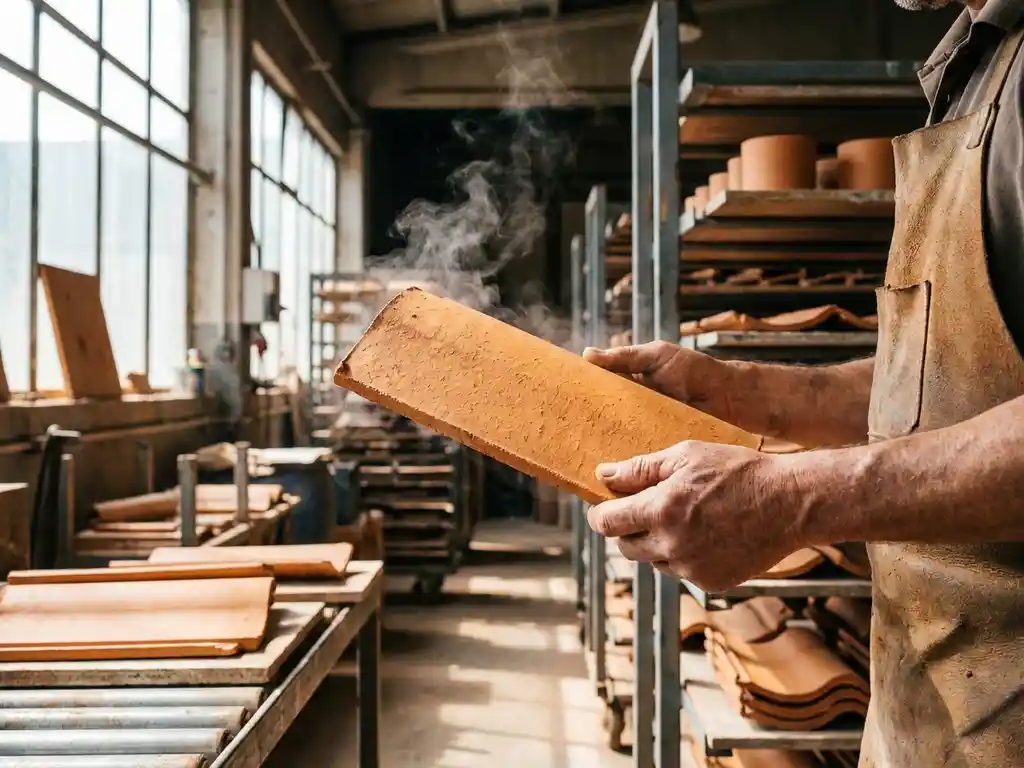
Custom terracotta manufacturing typically takes 8–16 weeks from design approval to delivery, depending on project complexity and quantity requirements. The timeline includes clay preparation, forming, drying, firing, quality control, and finishing processes. Factors such as custom colours, special textures, and non-standard dimensions can extend production time. Understanding these variables helps architects plan construction schedules effectively.
What factors determine custom terracotta manufacturing timeframes?
Several key variables significantly influence custom terracotta manufacturing timelines, with design complexity being the primary factor. Simple rectangular panels with standard finishes require less production time than intricate shapes or custom profiles that need specialised tooling and additional setup procedures.
Quantity requirements play a crucial role in scheduling. Large orders benefit from dedicated production runs, while smaller quantities may wait for batch processing with similar specifications. Colour specifications also impact timelines, particularly when custom colour matching is required, as this involves multiple test firings to achieve the exact shade and consistency demanded.
Surface treatments add complexity to the manufacturing process. Standard smooth finishes proceed through production quickly, while textured surfaces, glazed finishes, or special coatings require additional processing steps and extended drying periods. Each surface treatment must cure properly to ensure long-term performance and appearance retention.
Quality testing phases cannot be rushed, as ceramic facade manufacturing demands rigorous standards. Dimensional accuracy, colour consistency, and structural integrity testing all require specific timeframes. Seasonal production considerations also affect scheduling, as extreme weather can impact drying conditions and kiln operations in some facilities.
How long does the typical custom terracotta production process take?
The standard custom terracotta production process spans 10–14 weeks for most projects, beginning with clay preparation and material selection. This initial phase takes 1–2 weeks as raw materials are processed, mixed to specification, and tested for consistency and workability.
Forming and shaping take 2–3 weeks, depending on panel complexity and quantity. During this phase, clay is pressed or extruded into the required shapes, with custom profiles requiring additional setup time for tooling adjustments. Each piece must achieve precise dimensions before proceeding to the next stage.
Drying represents a critical phase lasting 3–4 weeks, as moisture must be removed gradually to prevent cracking or warping. This cannot be accelerated without compromising quality, making it one of the longest single phases in terracotta manufacturing.
The firing process takes 1–2 weeks, including kiln loading, the actual firing cycle, and controlled cooling. High-temperature firing at over 1,200 degrees Celsius creates the dense, durable ceramic structure that provides excellent weather resistance and longevity.
Quality control and finishing require 1–2 weeks for dimensional checking, surface inspection, and any necessary remedial work. Final packaging and preparation for delivery complete the process timeline.
What’s the difference between standard and rush terracotta orders?
Standard orders follow the regular production schedule, allowing optimal quality control and efficient resource allocation. Rush orders can reduce timelines by 20–30% but require careful consideration of quality implications and production capacity constraints.
Expedited manufacturing involves prioritising specific orders within the production queue, potentially dedicating kiln space and labour resources exclusively to urgent projects. This approach maintains quality standards but requires additional coordination and may affect other scheduled work.
Rush orders face availability limitations, particularly during peak construction seasons when production schedules are already at capacity. Not all specifications can be expedited equally – complex custom colours or intricate shapes may still require standard timeframes regardless of urgency.
The feasibility of rush delivery depends on the current production load, material availability, and technical requirements. Simple specifications with standard colours have better chances of successful acceleration than highly customised designs requiring extensive testing and validation.
Why do some terracotta projects take longer than others?
Project-specific factors create significant variations in manufacturing timeframes, with custom colour matching being a primary cause of extended production schedules. Achieving exact colour specifications often requires multiple test batches and firing cycles to perfect the formulation.
Special surface textures demand additional processing time and specialised tooling. Deeply textured surfaces, custom patterns, or unique finishes require careful development and testing to ensure consistency across all panels while maintaining structural integrity.
Non-standard dimensions present manufacturing challenges that extend timelines. Oversized panels require special handling procedures and may need modified firing schedules. Unusual shapes or complex geometries demand custom tooling development and additional quality validation steps.
Complex installation requirements can influence manufacturing specifications, requiring additional engineering analysis and testing. Projects with specific performance criteria, such as enhanced fire resistance or thermal properties, need extended validation periods to ensure compliance with building standards.
Additional testing or certification requirements for specific markets or applications add time to the production schedule. International projects may require compliance with different standards, necessitating additional documentation and testing procedures.
How can architects plan project timelines around terracotta delivery?
Successful project planning requires integrating ceramic facade manufacturing schedules into the overall construction timeline with adequate buffer periods. Begin terracotta procurement discussions during early design phases to allow sufficient lead time for manufacturing and delivery.
Buffer time recommendations include adding 2–4 weeks beyond quoted delivery dates to accommodate potential delays or quality issues. This contingency planning prevents cascade delays affecting other construction trades and maintains project momentum.
Coordination with other trades requires careful scheduling to ensure terracotta delivery aligns with facade installation readiness. Structural work, weatherproofing, and support system installation must be completed before ceramic panels arrive on site.
Milestone scheduling best practices involve establishing clear decision points for design approval, material selection, and specification finalisation. Early decisions prevent delays, while late changes can significantly impact delivery schedules.
Consider seasonal factors when planning delivery schedules, as winter weather can affect both manufacturing conditions and installation timelines. Summer months often see increased demand, potentially extending lead times during peak construction seasons.
How TONALITY® streamlines custom ceramic facade manufacturing
TONALITY® optimises custom ceramic facade production through advanced manufacturing processes and systematic quality control systems. Our streamlined approach reduces typical delivery timelines while maintaining exceptional quality standards through efficient resource allocation and proven production methodologies.
Our comprehensive manufacturing capabilities include:
- Precision clay preparation using premium Westerwald deposits for consistent material properties
- Advanced sinter firing processes at temperatures exceeding 1,200°C for superior density and durability
- Integrated quality control systems ensuring dimensional accuracy within one millimetre
- Flexible production scheduling accommodating both standard and expedited delivery requirements
- Comprehensive customer communication providing regular project updates and timeline transparency
Ready to discuss your custom ceramic facade project timeline? Contact our technical team for detailed production scheduling and delivery planning tailored to your specific requirements.