

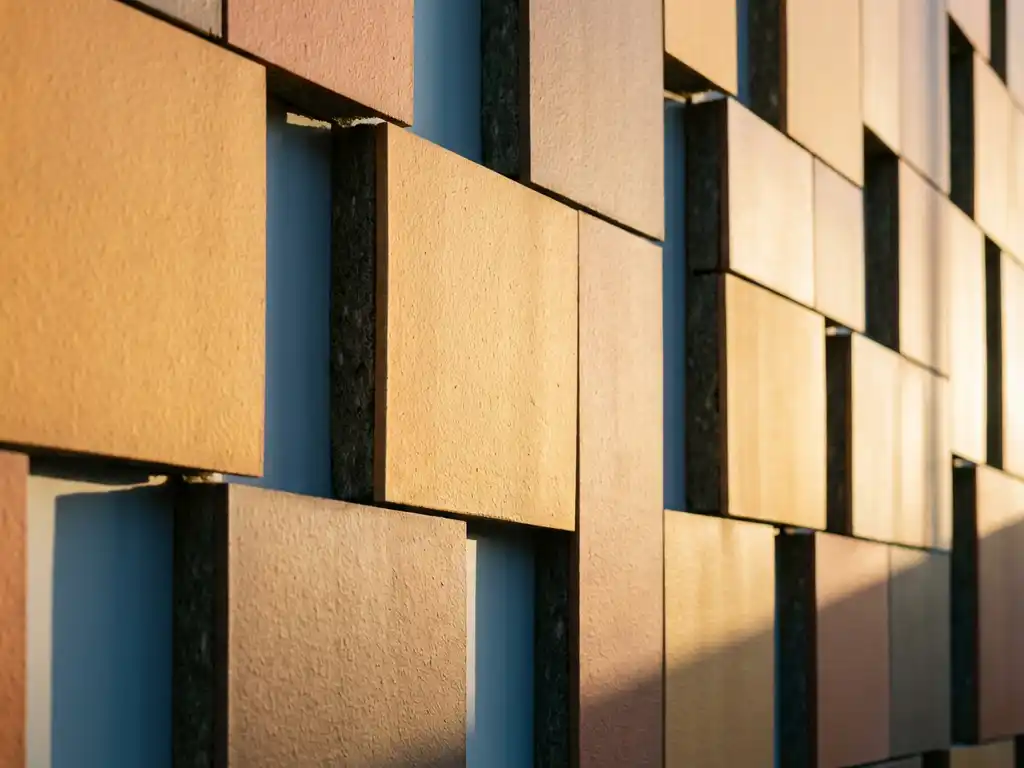
Modern architectural design holds tremendous potential to improve a building’s energy efficiency dramatically. From strategic building orientation to advanced façade systems, architects today have numerous tools at their disposal to create structures that consume significantly less energy while maintaining superior comfort and functionality. Integrating energy-conscious design principles from the earliest planning stages can transform how buildings interact with their environment and reduce their environmental footprint.
Understanding the relationship between architectural design and energy performance is crucial for anyone involved in construction, renovation, or property development. Smart design decisions made during the planning phase often deliver the most substantial energy savings and the greatest return on investment over a building’s lifetime.
What is energy-efficient architectural design?
Energy-efficient architectural design is the practice of creating buildings that minimize energy consumption through strategic planning of form, orientation, materials, and systems integration. This approach considers the building as a complete system in which each element works together to reduce heating, cooling, and lighting demands.
The foundation of energy-efficient design lies in understanding the local climate and site conditions. Architects analyze factors such as prevailing winds, solar patterns, and seasonal temperature variations to inform their design decisions. This analysis guides everything from window placement and building shape to material selection and landscape integration.
Key principles include optimizing natural light to reduce the need for artificial lighting, designing for natural ventilation where possible, and creating thermal zones that match usage patterns. The most successful energy-efficient designs achieve comfort through architectural solutions rather than relying heavily on mechanical systems.
How does building orientation affect energy efficiency?
Building orientation can reduce energy consumption by 10–40% by optimizing solar heat gain, natural light, and wind patterns. The strategic positioning of a building on its site directly influences heating and cooling loads throughout the year.
In northern climates, orienting the longest façade toward the south maximizes beneficial winter solar heat gain while allowing for effective shading during the summer months. East- and west-facing surfaces typically receive the most challenging solar exposure, with intense low-angle sun that is difficult to shade effectively.
Wind orientation also plays a crucial role in energy performance. Positioning the building to take advantage of prevailing summer breezes can significantly reduce cooling loads, while protecting against cold winter winds helps minimize heating demands. The shape and orientation of the building can create beneficial microclimates around the structure.
What building materials improve energy performance?
High-performance building materials improve energy efficiency through superior insulation properties, thermal mass, air-sealing capabilities, and durability. The most effective materials often combine multiple performance characteristics to address various energy challenges simultaneously.
Insulation materials with high R-values reduce heat transfer through the building envelope. Advanced options include continuous insulation systems that minimize thermal bridging, reflective barriers that reduce radiant heat transfer, and phase-change materials that help regulate interior temperatures.
Thermal mass materials such as concrete, stone, and ceramic store and release heat slowly, helping to moderate interior temperature swings. These materials work particularly well in climates with significant day–night temperature differences, absorbing excess heat during the day and releasing it when temperatures drop.
High-performance windows and doors with multiple panes, low-emissivity coatings, and insulated frames dramatically reduce heat loss while maintaining natural light. Advanced glazing systems can even generate net energy gains on south-facing façades in winter.
How do façade systems contribute to energy savings?
Advanced façade systems contribute to energy savings by creating thermal barriers, managing solar heat gain, enabling natural ventilation, and providing superior weather protection. Modern façade technologies can reduce building energy consumption by 20–50% compared to conventional wall systems.
Ventilated façade systems create an air gap between the outer cladding and the insulation layer, allowing air circulation that helps regulate temperatures year-round. During summer, this ventilation effect removes heat buildup, while in winter, the air gap provides additional insulation value.
Ceramic façade systems offer particularly strong energy performance due to their low thermal conductivity and high thermal mass. These terracotta façade systems maintain stable temperatures, resist weathering without maintenance, and provide excellent fire-resistance properties that can reduce insurance and safety-system costs.
Smart façade systems can incorporate features such as integrated shading, automated ventilation controls, and even building-integrated photovoltaics. These technologies allow the building envelope to respond actively to changing environmental conditions throughout the day and across seasons.
What’s the difference between active and passive energy design?
Passive energy design uses architectural elements such as building orientation, thermal mass, and natural ventilation to regulate temperature and lighting without mechanical systems, while active design relies on equipment such as HVAC systems, pumps, and controls to manage building performance.
Passive strategies work with natural forces and require no ongoing energy input once implemented. Examples include south-facing windows for solar heating, thermal mass for temperature regulation, strategic window placement for cross-ventilation, and building-shape optimization for wind and sun exposure.
Active systems consume energy to operate but can achieve precise control over building conditions. These include heat pumps, mechanical ventilation systems, smart thermostats, and building automation systems. The most effective buildings combine both approaches, using passive strategies to minimize loads and active systems to fine-tune performance.
The key advantage of passive design is its permanence and reliability. Once properly implemented, passive features continue to work without maintenance, energy input, or the risk of mechanical failure. Active systems offer flexibility and control but require ongoing energy consumption and maintenance.
How much can good architectural design reduce energy costs?
Well-executed energy-efficient architectural design typically reduces building energy consumption by 30–70% compared to conventional construction, with the greatest savings achieved when energy considerations guide design decisions from the earliest planning stages.
The most significant savings come from integrated design approaches that address multiple energy factors simultaneously. Buildings that combine optimal orientation, high-performance envelopes, strategic daylighting, and natural ventilation often achieve the highest efficiency gains with the best lifecycle value.
Passive design strategies generally provide the strongest return on investment because they require no ongoing energy input or maintenance once implemented. Features such as proper building orientation, thermal mass, and natural light continue to deliver savings throughout a building’s entire lifespan.
The exact savings potential depends on climate, building type, and local energy rates, but energy-efficient design consistently demonstrates strong financial returns through reduced utility expenses, lower maintenance requirements, and enhanced building value over time. Many successful project references demonstrate these principles in practice.
How TONALITY® helps with energy-efficient architectural design
TONALITY® ceramic façade systems provide exceptional energy performance through advanced thermal properties and innovative installation methods that enhance building efficiency. Our ceramic elements offer superior thermal mass, helping regulate interior temperatures naturally, while ventilated façade design supports excellent insulation performance.
Key energy-efficiency benefits include:
- Low-thermal-conductivity ceramic materials that reduce heat transfer
- Ventilated façade system design that supports natural temperature regulation
- Lightweight construction that reduces structural loads and enables flexible installation
- A1 fire classification that eliminates the need for additional fire-protection systems
- Maintenance-free performance that eliminates ongoing energy costs for upkeep
- 100% recyclable materials that support sustainable building lifecycles
Ready to enhance your building’s energy performance with advanced ceramic façade technology? Contact our technical team to discuss how TONALITY® systems can contribute to your energy-efficient architectural design goals.
Related Articles
- What are the lead times architects should expect when ordering ceramic cladding panels?
- How does ceramic cladding respond to thermal expansion and contraction cycles?
- What surface finish options are available for ceramic cladding on contemporary facades?
- What does an architectural designer actually do?
- What makes terracotta safer than ACM panels after Grenfell?