

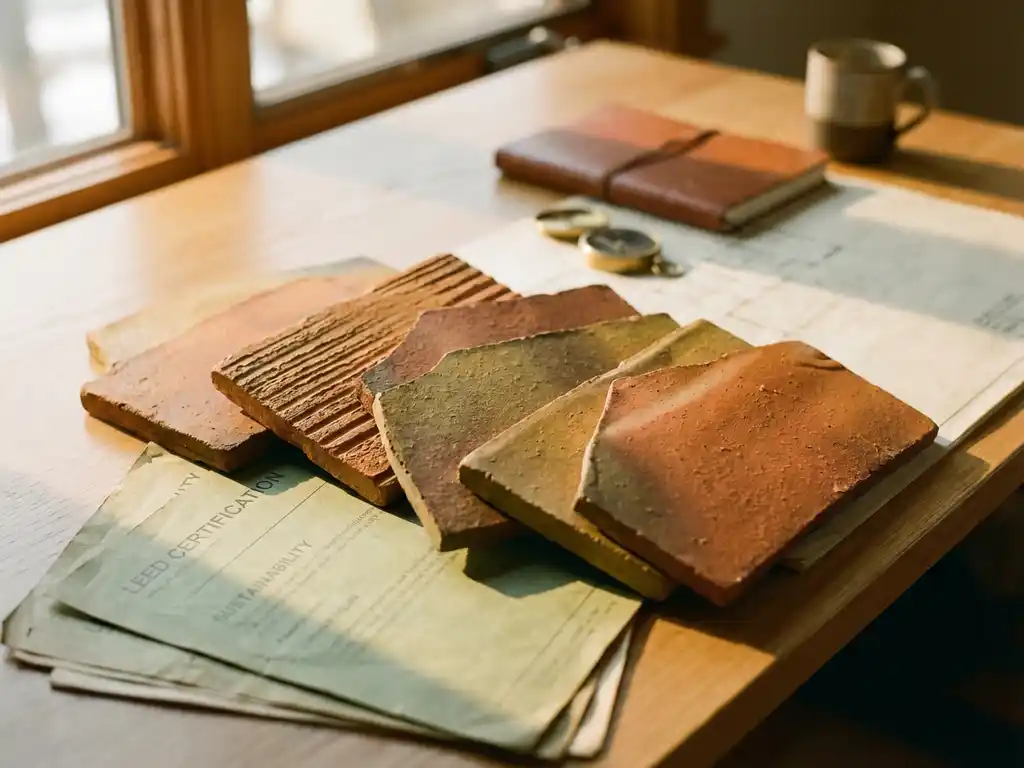
Modern construction faces unprecedented pressure to meet environmental standards, with green building certifications becoming essential for project approval and market competitiveness. Architects and developers worldwide are discovering that sustainable architecture is not just about environmental responsibility—it is about creating buildings that perform better, cost less to operate, and provide healthier environments for occupants.
Terracotta facades have emerged as a powerful ally in achieving these ambitious sustainability goals. With their natural composition, exceptional durability, and thermal performance characteristics, ceramic facade systems are helping projects earn points across multiple certification categories. From energy efficiency to material health, eco-friendly building materials like terracotta are proving their worth in the competitive world of green building standards.
1. LEED (Leadership in Energy and Environmental Design)
LEED certification operates on a point-based system in which projects earn credits across multiple categories, including sustainable sites, water efficiency, energy and atmosphere, materials and resources, and indoor environmental quality. Terracotta facades contribute significantly to several of these categories through their inherent material properties and performance characteristics.
Ceramic facade systems excel in the Materials and Resources category by offering high recycled-content potential and regional material availability in many markets. The manufacturing process of terracotta involves natural clay materials that can be sourced locally, reducing transportation impacts and supporting regional economies. Additionally, terracotta’s exceptional durability means longer building lifecycles, which directly supports LEED’s emphasis on sustainable material selection.
The Energy and Atmosphere category benefits from terracotta’s thermal-mass properties and excellent insulation capabilities when properly detailed. These characteristics help reduce heating and cooling loads, contributing to the overall building energy performance that LEED certification requires.
2. BREEAM (Building Research Establishment Environmental Assessment Method)
BREEAM’s comprehensive assessment methodology evaluates buildings across multiple categories, with sustainable construction materials playing a crucial role in achieving high ratings. Terracotta facades support several BREEAM categories through their environmental profile and performance characteristics.
The Materials category rewards the use of responsibly sourced materials with low environmental impact. Terracotta’s natural composition and manufacturing process align well with BREEAM’s requirements for sustainable material selection. The Waste category benefits from terracotta’s longevity and potential for end-of-life recycling, reducing long-term waste generation.
Health and Wellbeing credits are achievable through terracotta’s contribution to indoor air quality and thermal comfort. The material’s natural properties support stable indoor environments without off-gassing concerns, making it an excellent choice for projects pursuing high BREEAM ratings.
3. DGNB (Deutsche Gesellschaft für Nachhaltiges Bauen)
Germany’s leading green building standards system evaluates projects across ecological, economic, and sociocultural quality criteria. DGNB certification places particular emphasis on lifecycle assessment and long-term building performance, areas in which terracotta facades demonstrate exceptional value.
The ecological quality criteria benefit from terracotta’s low environmental impact throughout its lifecycle. From raw material extraction through manufacturing to end-of-life disposal, ceramic facade systems demonstrate favourable environmental profiles that support DGNB certification goals.
Economic quality assessment considers total cost of ownership, where terracotta’s durability and low maintenance requirements provide significant advantages. The material’s resistance to weathering, UV degradation, and thermal cycling translates into reduced lifecycle costs that DGNB certification recognises and rewards.
4. Living Building Challenge certification
The Living Building Challenge represents the world’s most rigorous environmental building certification, requiring projects to meet strict Materials Petal requirements for non-toxic, salvaged, or rapidly renewable components. Terracotta facades can contribute to meeting these demanding standards through their natural material composition.
The Materials Petal’s Red List restrictions eliminate many conventional building materials, but terracotta’s natural clay composition typically avoids problematic chemicals and compounds. This makes ceramic facade systems valuable for projects pursuing this ambitious certification level.
Additionally, the Challenge’s emphasis on beauty and inspiration aligns perfectly with terracotta’s aesthetic versatility and timeless appeal, supporting the certification’s holistic approach to sustainable design.
5. WELL Building Standard for health and wellness
WELL certification focuses specifically on human health and wellness in buildings, evaluating how design decisions impact occupant wellbeing. Terracotta facades contribute to several WELL concepts through their material safety and performance characteristics.
The Materials concept requires careful selection of building components that do not compromise indoor air quality. Terracotta’s natural composition and manufacturing process typically result in materials with minimal off-gassing potential, supporting healthy indoor environments.
Thermal Comfort credits benefit from terracotta’s thermal-mass properties and ability to moderate temperature swings. This contributes to more stable indoor conditions that support occupant comfort and productivity throughout the year.
How TONALITY® ceramic facades accelerate certification success
TONALITY® ceramic facades are specifically engineered to maximise contributions to green building certifications through advanced material properties and innovative installation systems. Our A1 fire classification provides safety credits across multiple certification systems, while our exceptional recyclability supports circular-economy principles that many standards now emphasise.
Key certification advantages include:
- Low embodied energy manufacturing processes that reduce environmental impact scores
- Precision installation systems that minimise waste and improve construction efficiency
- Third-party-verified Environmental Product Declarations supporting documentation requirements
- Regional manufacturing capabilities that reduce transportation impacts
- Exceptional durability extending building lifecycles beyond standard assumptions
Ready to accelerate your next project’s certification success? Contact our sustainability team to discuss how TONALITY® ceramic facades can contribute to your specific green building goals and streamline your certification pathway.
Related Articles
- How do terracotta facades improve building energy efficiency?
- Which LEED credits can terracotta facades help achieve?
- Terracotta vs GFRC: Weight, Cost, and Aesthetic Differences
- ADS vs BAS: which terracotta installation method is better?
- What BIM objects are available for terracotta facade specification?