

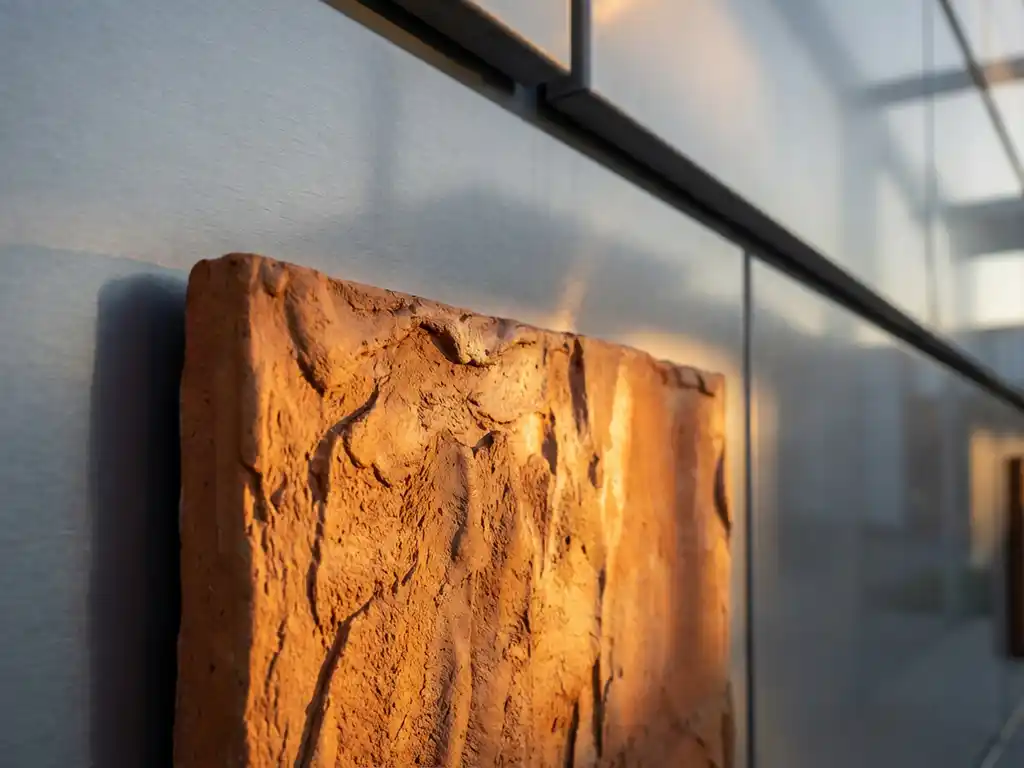
The building envelope industry is experiencing a remarkable shift as architects and specifiers increasingly recognise the limitations of aluminium composite panels and rediscover the exceptional benefits of terracotta facades. This ancient material, refined with modern manufacturing techniques, is proving superior to aluminium composite panels across virtually every performance metric that matters in contemporary construction.
From fire safety concerns that have reshaped building codes to sustainability requirements driving material selection, the comparison between ceramic facades and aluminium composite systems reveals compelling advantages for terracotta. Understanding these differences is crucial for making informed decisions about facade performance, long-term value, and occupant safety.
1. Why terracotta is making a comeback in modern architecture
Contemporary architects are rediscovering terracotta’s potential as building regulations tighten and sustainability becomes paramount. The material’s natural properties align perfectly with modern performance requirements, while offering design flexibility that aluminium composite panels simply cannot match.
Historical context shows that terracotta dominated early skyscraper construction before being displaced by cheaper alternatives. Today’s resurgence stems from advanced manufacturing processes that maintain terracotta’s inherent benefits while addressing previous limitations. Modern ceramic facades combine traditional durability with contemporary installation systems.
Market trends indicate a growing preference for sustainable building materials that perform reliably over decades. Terracotta’s proven track record in heritage buildings demonstrates a longevity that aluminium composite panels have yet to achieve, making it increasingly attractive for long-term building investments.
2. Superior fire resistance and safety performance
Terracotta achieves A1 non-combustible classification, the highest fire safety rating available. This natural fire resistance stems from the high-temperature firing process during manufacturing, which essentially pre-burns the material and eliminates any combustible elements.
Aluminium composite panels, particularly those with polyethylene cores, have faced significant scrutiny following high-profile building fires. Even mineral-filled cores cannot match terracotta’s inherent fire resistance. Building code compliance increasingly favours materials like terracotta that eliminate fire propagation risks entirely.
High-rise construction benefits enormously from terracotta’s fire safety characteristics. The material will not contribute to flame spread, produces no toxic gases when exposed to heat, and maintains structural integrity during fire events. This performance provides invaluable safety margins for occupant evacuation and firefighting operations.
3. Exceptional durability and weather resistance
Terracotta’s resistance to weathering surpasses aluminium composite panels through its monolithic ceramic structure. The firing process creates a material that withstands thermal cycling, UV exposure, and moisture penetration without degradation. This durability extends building envelope performance over decades.
Aluminium composite panels suffer from thermal expansion issues, coating degradation, and potential delamination between layers. These problems compound over time, leading to performance failures that terracotta simply does not experience. The ceramic structure remains stable regardless of weather conditions.
Structural integrity remains constant with terracotta facades throughout their service life. Unlike aluminium systems that may require panel replacement due to weather damage, properly installed terracotta maintains its original performance characteristics indefinitely.
4. Minimal maintenance requirements over the building lifetime
Terracotta’s self-cleaning properties virtually eliminate the routine maintenance needs that plague aluminium composite panel systems. The smooth, non-porous ceramic surface naturally sheds dirt and pollutants, maintaining its appearance with minimal intervention.
Aluminium composite panels require regular cleaning, coating renewal, and potential panel replacement to maintain performance and appearance. These maintenance activities generate ongoing costs and building disruption that terracotta avoids almost entirely.
Long-term performance analysis shows terracotta facades maintaining their original condition decades after installation. This low-maintenance operation provides significant value over the building lifecycle, reducing unexpected repair costs and access challenges.
5. Complete recyclability and circular economy benefits
Terracotta offers 100% recyclability at end of life, with the ceramic material easily crushed and reused in new construction applications. This complete recyclability supports circular economy principles and reduces construction waste streams.
Aluminium composite panels present recycling challenges due to their multi-layer construction. Separating aluminium skins from core materials requires specialised processing, and many panels end up in landfill rather than recycling streams.
Environmental impact assessments favour terracotta’s natural composition and manufacturing process. The material’s longevity reduces replacement frequency, while its complete recyclability eliminates waste disposal concerns that affect sustainable building materials selection.
6. Natural colour permanence without fading
The high-temperature firing process that creates terracotta permanently fixes colours throughout the ceramic structure. This colour integration ensures permanent colour stability that cannot fade, chip, or wear away over time.
Aluminium composite panels rely on surface coatings for colour, which inevitably degrade under UV exposure and weathering. Colour shift and fading become apparent within years of installation, requiring refinishing or replacement to maintain building appearance.
Colour integrity remains constant with terracotta regardless of exposure conditions. The ceramic structure protects colour elements from UV degradation, ensuring facades maintain their original appearance throughout their service life.
7. Lightweight construction with reduced structural load
Modern terracotta systems achieve remarkable weight efficiency through advanced manufacturing techniques. Contemporary ceramic cladding systems can often weigh less than traditional aluminium composite installations when considering the complete facade assembly.
Structural requirements benefit from terracotta’s predictable load characteristics and secure attachment systems. The material’s stability eliminates concerns about thermal movement and wind loading that can affect aluminium panel performance.
Installation benefits include simplified structural design and reduced foundation requirements. Building envelope materials that reduce structural complexity provide value throughout the construction process while maintaining superior performance characteristics.
8. What makes terracotta naturally graffiti-resistant?
Terracotta’s smooth, non-porous surface provides inherent protection against graffiti adhesion. The ceramic structure prevents paints and markers from penetrating the surface, allowing easy removal without damage to the facade material.
Urban durability benefits from terracotta’s resistance to vandalism and the easy restoration of its appearance. Simple cleaning techniques remove graffiti completely, maintaining building aesthetics without replacement or refinishing requirements.
Aluminium composite panels with textured surfaces can trap graffiti materials, making removal difficult and potentially damaging the panel coating. This vulnerability creates ongoing maintenance challenges in urban environments where facade durability is essential.
9. Unlimited design flexibility and customisation options
Terracotta manufacturing allows virtually unlimited customisation in terms of colours, textures, shapes, and sizes. The ceramic forming process accommodates complex geometries and architectural details that aluminium composite systems cannot achieve.
Available formats range from traditional rectangular panels to curved elements, custom profiles, and integrated architectural features. This flexibility enables architects to realise design visions without material limitations constraining creativity. For a comprehensive overview of terracotta surfaces and formats, explore the various options available for contemporary projects.
Aluminium composite panel systems offer limited customisation options due to manufacturing constraints and structural requirements. Ceramic cladding provides superior design freedom while maintaining structural performance and installation efficiency.
10. Thermal performance and energy efficiency advantages
Terracotta’s natural thermal mass properties contribute to building energy efficiency by moderating temperature fluctuations and reducing heating and cooling loads. The ceramic structure provides thermal stability that aluminium systems cannot match.
Thermal bridging issues that affect aluminium composite panels are eliminated with properly designed terracotta systems. The ceramic material’s thermal characteristics support building envelope performance rather than compromising insulation effectiveness.
Energy performance benefits extend throughout the building lifecycle, with terracotta’s thermal properties contributing to reduced energy consumption and improved occupant comfort. This performance advantage supports sustainable building operation and reduces environmental impact.
How TONALITY® delivers superior ceramic facade solutions
TONALITY® provides comprehensive ceramic facade systems that deliver all the advantages discussed throughout this comparison. Our advanced manufacturing processes create terracotta elements that exceed traditional performance expectations while maintaining the material’s inherent benefits.
Our ceramic facade technology includes:
- Precision-engineered terracotta panels with guaranteed dimensional accuracy
- Complete installation systems designed for efficient construction
- Comprehensive technical support throughout the design and construction process
- Sustainable manufacturing processes that minimise environmental impact
Explore our completed projects to see how leading architects have successfully implemented ceramic facade systems across diverse building types. Ready to explore how TONALITY® ceramic facades can enhance your next project? Contact our technical team today to discuss your specific requirements and discover the superior performance that makes terracotta the intelligent choice for contemporary building envelopes.
Related Articles
- What is embodied carbon and how does terracotta compare to aluminum cladding?
- Which facade renovation mistakes can cause structural damage?
- How often should terracotta facades be inspected?
- How do terracotta baguettes and louvers provide sun shading?
- What is the difference between glazed and unglazed terracotta for facades?