

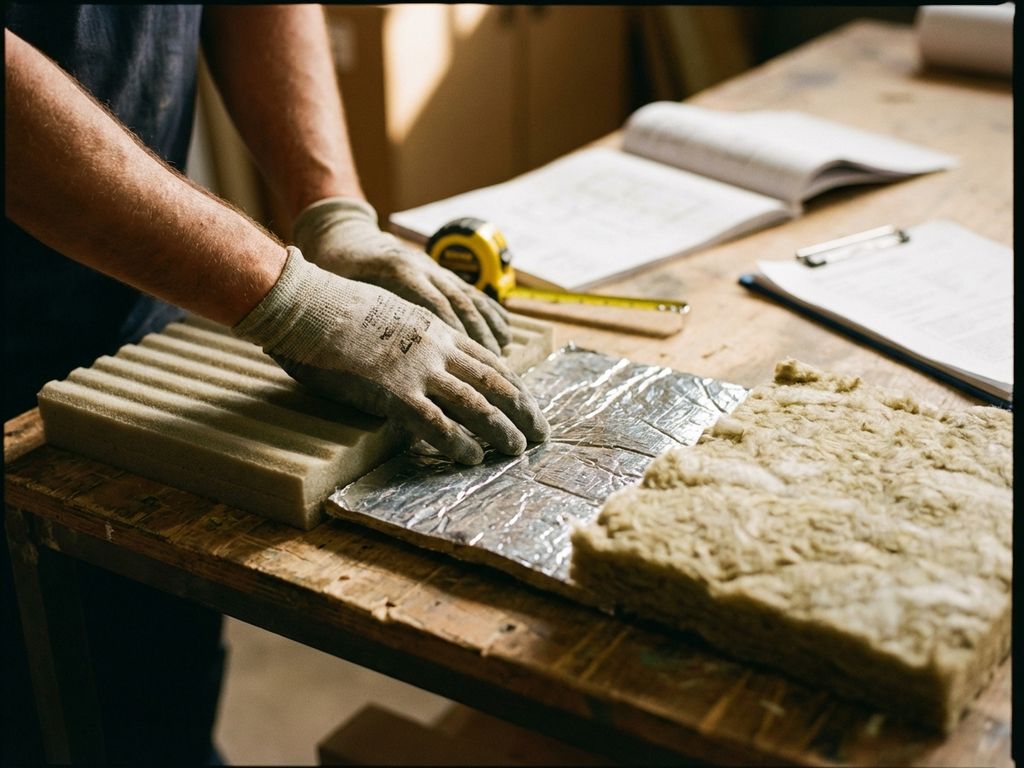
Choosing the right insulation system for Fassadensanierung depends on your building’s construction, local climate, budget, and energy goals. The key is to match insulation materials and thickness to your specific requirements while considering long-term performance and maintenance needs. Modern solutions integrate advanced materials with sophisticated facade systems to achieve optimal thermal performance.
What factors should you consider when choosing facade insulation?
Building type, climate conditions, existing wall construction, budget constraints, energy efficiency targets, and local building codes are the primary factors that determine your optimal insulation system. These elements work together to define which materials and installation methods will deliver the best long-term performance for your project.
Your building’s existing structure significantly influences insulation selection. Solid masonry walls require different approaches than cavity walls or timber-frame construction. The condition of existing walls, the presence of thermal bridges, and structural limitations all affect which systems you can implement effectively.
Climate considerations include temperature ranges, humidity levels, wind exposure, and rainfall patterns. These environmental factors determine the thermal resistance requirements and moisture management capabilities your insulation system must provide. Local energy codes often specify minimum R-values based on climate zones.
Budget planning should account for initial installation costs, long-term energy savings, and maintenance requirements. Higher-performance systems typically cost more upfront but deliver greater energy savings and durability over their lifespan.
How do different insulation materials compare for facade renovation?
Mineral wool offers excellent fire resistance and breathability, polystyrene provides cost-effective thermal performance, polyurethane delivers superior insulation in thin profiles, and natural materials like wood fibre combine insulation with environmental benefits. Each material has distinct characteristics affecting performance, installation, and suitability for different applications.
Mineral wool insulation performs well in humid conditions due to its vapour-permeable structure. It maintains thermal performance when wet and provides excellent acoustic insulation. However, it requires careful installation to avoid thermal bridging and can be more expensive than synthetic alternatives.
Expanded polystyrene (EPS) and extruded polystyrene (XPS) offer reliable thermal performance at competitive costs. EPS works well in most applications, while XPS provides better moisture resistance for below-grade installations. Both materials are lightweight and easy to install.
Polyurethane foam insulation delivers the highest R-values per inch, making it ideal where space is limited. It provides excellent air sealing but requires professional installation and costs more than other options. Natural materials like cork or wood fibre appeal to environmentally conscious projects but may have higher costs and specific installation requirements.
What’s the difference between EIFS and traditional facade insulation systems?
External Insulation Finishing Systems (EIFS) combine insulation, reinforcement mesh, and decorative finish into an integrated system, while traditional approaches typically involve separate insulation and cladding layers. EIFS provides continuous insulation with fewer thermal bridges but requires careful moisture management and professional installation.
Traditional facade insulation systems often use mechanical fixings and separate weatherproofing layers. This approach allows for easier maintenance and repair of individual components. You can replace cladding without disturbing insulation, and different specialists can handle various aspects of the installation.
EIFS systems excel at eliminating thermal bridges because insulation covers the entire wall surface continuously. The integrated approach reduces installation time and can be more cost-effective for certain projects. However, any damage to the outer finish can compromise the performance of the entire system.
Maintenance requirements differ significantly between systems. Traditional approaches allow targeted repairs, while EIFS may require larger-area repairs when problems occur. Consider your long-term maintenance capabilities and local weather conditions when choosing between these approaches.
How do you determine the right insulation thickness for your project?
Determine optimal insulation thickness using local climate data, building energy codes, cost-benefit analysis, and performance modelling tools. Start with minimum code requirements, then evaluate whether additional thickness provides worthwhile energy savings relative to increased costs. Professional energy assessments help identify the most economical approach for your specific situation.
Local building codes establish minimum insulation requirements based on climate zones. These represent baseline performance levels, but additional insulation often provides better comfort and energy savings. Review your local energy code requirements as the starting point for thickness calculations.
Economic analysis compares the cost of additional insulation with projected energy savings over the system’s lifespan. Diminishing returns typically occur as thickness increases, making moderate improvements more cost-effective than maximum possible insulation levels.
Professional energy modelling software can predict performance for different insulation scenarios. These tools account for your specific building characteristics, local weather patterns, and energy costs to identify optimal thickness recommendations. Consider consulting with energy specialists for complex Fassadensanierung projects.
What role do ceramic facade systems play in modern insulation strategies?
Advanced ceramic facade elements integrate with insulation systems to provide superior weather protection, thermal performance, and aesthetic appeal while maintaining exceptional durability and minimal maintenance requirements. These systems combine high-performance insulation with protective outer layers that enhance overall building-envelope performance.
Ceramic facade systems protect insulation from weather exposure, UV degradation, and mechanical damage. The dense, non-porous ceramic surface prevents moisture infiltration while allowing the building envelope to function as designed. This protection extends the insulation’s lifespan and maintains thermal performance over decades.
Modern ceramic elements can be precisely manufactured to accommodate various insulation thicknesses and fixing systems. The lightweight nature of advanced ceramic products reduces structural loads compared with traditional masonry while providing superior weather resistance and thermal stability.
Integration with insulation systems requires careful attention to thermal bridging and moisture management. Proper design ensures continuous insulation coverage while providing secure mechanical attachment for ceramic elements. Professional installation ensures optimal performance of both insulation and facade components.
The combination of high-performance insulation with durable ceramic facades creates building envelopes that deliver excellent energy efficiency, weather protection, and aesthetic appeal. This integrated approach to facade renovation provides long-term value through reduced maintenance requirements and sustained thermal performance.
Selecting the right insulation system requires careful evaluation of multiple factors specific to your project. Consider consulting facade specialists who can assess your building’s unique requirements and recommend optimal solutions that balance performance, cost, and long-term durability for successful renovation outcomes.
Related Articles
- 7 Hidden Facade Costs Investors Should Include in Due Diligence
- How do ceramic cladding solutions support biophilic design strategies in architecture?
- Can terracotta facades be installed without adhesive for easier recovery?
- What are the main principles of good architectural design?
- What does terracotta facade cladding do for buildings?