

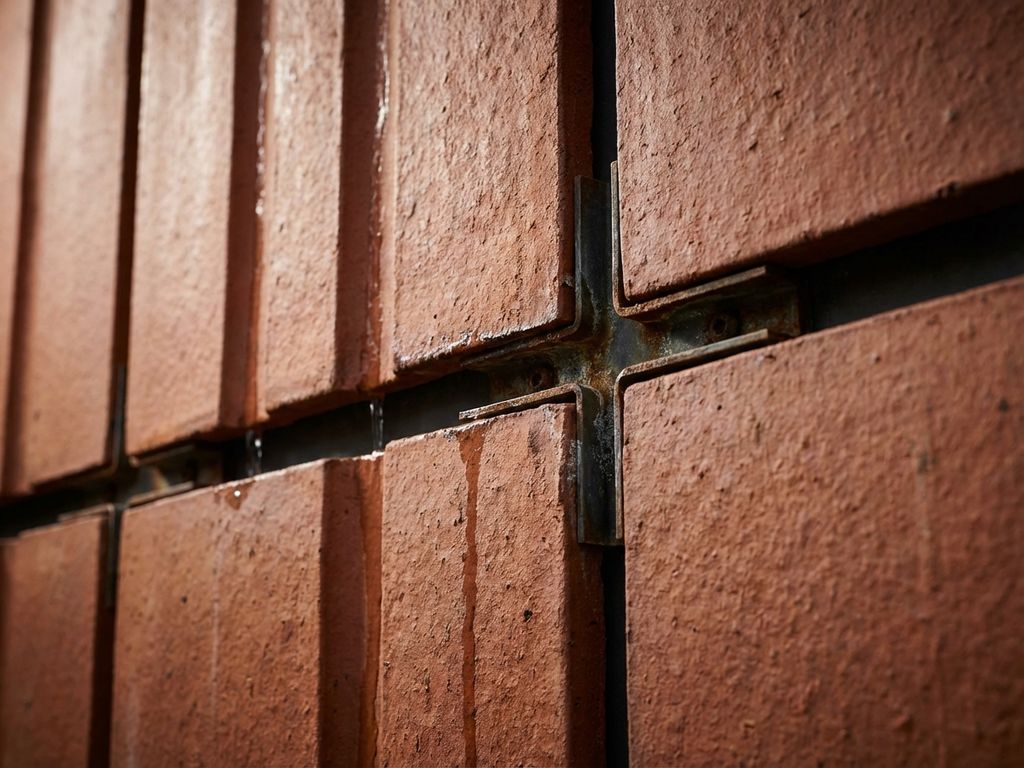
Terracotta facades work through a system of ceramic tiles that are fired at extremely high temperatures and mounted to buildings using interlocking aluminium profiles. The ceramic material provides exceptional durability, weather resistance, and fire protection while remaining lightweight enough for various construction types. Modern terracotta systems offer quick installation and minimal maintenance requirements for long-term building performance.
What is a terracotta facade and how is it different from other facade materials?
A terracotta facade consists of ceramic tiles made from refined clay that has been shaped and fired at temperatures exceeding 1,200 degrees Celsius. This high-temperature sinter firing process creates an extremely dense, non-porous surface that surpasses traditional facade materials in durability and performance.
The ceramic composition differs significantly from other facade options. Unlike brick, which is fired at lower temperatures, terracotta undergoes intense heat treatment that eliminates porosity and creates superior weather resistance. Compared to metal cladding, terracotta provides natural thermal properties and does not expand or contract as dramatically with temperature changes.
Stone facades require heavy substructures due to their weight, while terracotta tiles typically weigh only about 40 kilograms per square metre. This lightweight characteristic makes installation faster and reduces structural requirements. The manufacturing process also allows for precise dimensional control, with tiles produced to within one millimetre accuracy in various formats ranging from 150 x 300 mm up to 400 x 1,600 mm.
How are terracotta facade tiles actually installed on buildings?
Terracotta facade installation uses a simple mounting system where ceramic elements interlock with vertical aluminium retaining profiles attached to the building structure. The tiles feature profiled backs that clip securely into place, making installation straightforward and efficient.
The process begins with mounting the aluminium substructure to the building frame. These lightweight profiles create a ventilated cavity behind the facade while providing secure anchor points. The ceramic tiles then slide into position and lock mechanically without requiring adhesives or complex fixing methods.
This interlocking system offers several advantages over traditional installation methods. There is no need for wet trades or weather-dependent curing times. Individual tiles can be easily replaced if damaged, and the entire system allows for building movement without cracking. The installation speed significantly exceeds that of brick or stone facades, reducing construction time and labour costs.
What are the main benefits of choosing terracotta for building facades?
Terracotta facades offer exceptional durability with minimal maintenance requirements throughout their service life. The ceramic surface resists weathering, UV radiation, and colour fading while providing natural graffiti protection and easy cleaning capabilities.
Fire safety represents a critical advantage, as terracotta tiles achieve building material class A1 classification, meaning they are completely non-combustible. This makes them particularly valuable for buildings where fire protection is essential. The material contains no organic components that could contribute to fire spread.
Environmental benefits include 100% recyclability and the ability to deconstruct facades for component reuse. The manufacturing process uses natural clay materials, and the longevity reduces replacement needs. Design flexibility allows for extensive colour ranges and surface textures while maintaining consistent performance characteristics across all options.
The low surface weight reduces structural loads on buildings, enabling lighter foundations and frameworks. Weather resistance eliminates concerns about freeze-thaw damage, acid rain effects, or salt exposure in coastal environments.
Why are terracotta facades particularly suitable for timber construction?
Terracotta facades complement timber construction perfectly due to their lightweight properties and excellent fire protection characteristics. The low surface weight of approximately 40 kilograms per square metre requires minimal additional structural support from wooden frameworks.
The fire protection benefits are especially valuable for timber buildings. Terracotta’s A1 fire classification provides a non-combustible exterior layer that helps protect the wooden structure beneath. This can improve the overall fire rating of timber buildings and may reduce insurance requirements.
Reduced substructure requirements mean timber buildings do not need heavy steel or concrete supports typically required for stone or heavy cladding systems. The aluminium mounting profiles distribute loads efficiently across the timber frame without creating stress concentrations.
Modern timber construction benefits from the speed of terracotta installation, which aligns well with prefabricated building methods. The dry installation process avoids moisture introduction that could affect timber components during construction.
How do you maintain terracotta facades over time?
Terracotta facades require minimal maintenance due to their dense, non-porous surface that naturally resists dirt accumulation and weathering. Regular cleaning with water and mild detergent typically suffices to maintain appearance and performance.
Inspection schedules should include annual visual checks for any mechanical damage or displaced tiles. The interlocking system allows for easy replacement of individual elements without affecting surrounding areas. Most maintenance involves cleaning rather than repairs or protective treatments.
The graffiti resistance built into ceramic surfaces means most markings can be removed with standard cleaning methods. Unlike painted surfaces, terracotta does not require periodic repainting or protective coating renewal. The colour remains stable throughout the material’s thickness, so surface scratches do not expose differently coloured substrates.
Long-term performance expectations span decades with minimal intervention. The ceramic material does not degrade from UV exposure, acid rain, or temperature cycling. Building owners can expect consistent appearance and protection throughout the facade’s service life.
How TONALITY® ceramic facades provide the complete terracotta solution
TONALITY® addresses all terracotta facade requirements through specialised manufacturing using Europe’s highest-quality clay deposits from the Westerwald region. Their advanced sinter firing process creates exceptionally smooth, dense surfaces that deliver superior performance and aesthetic consistency.
The complete solution includes:
- Precision-manufactured tiles in extensive colour and format ranges
- Integrated aluminium mounting systems for rapid installation
- Technical support throughout design and construction phases
- Quality assurance backed by decades of ceramic expertise
- Sustainable production methods with full recyclability
TONALITY® ceramic elements achieve the optimal balance of lightweight construction and maximum durability. Their single-layer production method ensures consistent quality, while the interlocking profile system simplifies installation to “mount and done” efficiency.
For architects and building professionals seeking reliable terracotta facade solutions, TONALITY® provides comprehensive technical specifications, design support, and proven performance data. Contact their technical team to discuss your specific project requirements and explore the full range of ceramic facade possibilities.