

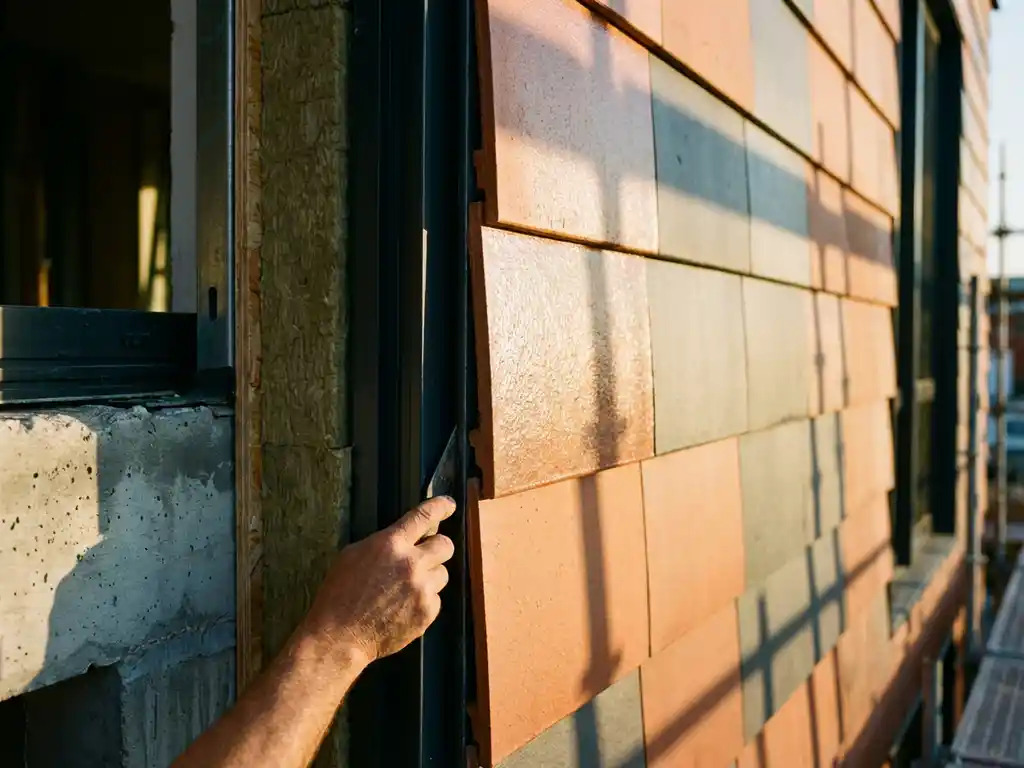
Facade material choice significantly impacts net-zero building goals by affecting both operational energy consumption and embodied carbon emissions. The building envelope, particularly the facade, determines thermal performance, durability, and long-term maintenance requirements. Selecting sustainable construction materials with excellent thermal properties, low embodied carbon, and extended lifespans creates energy-efficient buildings that achieve carbon neutrality over their operational lifetime.
What makes a building material suitable for net-zero construction?
Net-zero building materials must demonstrate exceptional thermal performance, minimal embodied carbon, outstanding durability, and complete lifecycle sustainability. These characteristics ensure that the building envelope contributes to rather than hinders carbon neutrality goals throughout the structure’s operational life.
Thermal performance is the primary consideration for sustainable construction. Materials with superior insulation properties and minimal thermal bridging significantly reduce heating and cooling demands. The building envelope must maintain consistent internal temperatures while minimising energy transfer between interior and exterior environments.
Embodied carbon content represents the total greenhouse gas emissions generated during material extraction, manufacturing, transportation, and installation. Green building materials with lower embodied carbon contribute less to initial construction emissions, allowing buildings to reach carbon neutrality faster during their operational phase.
Durability directly affects long-term sustainability performance. Materials lasting 50–100 years without significant degradation eliminate frequent replacement cycles that generate additional embodied carbon emissions. Weather resistance, UV stability, and structural integrity ensure consistent performance throughout the building’s lifetime.
End-of-life recyclability completes the sustainability cycle. Materials that can be fully recovered, reprocessed, and reused prevent waste generation while reducing demand for virgin resources in future construction projects.
How does facade thermal performance impact overall building energy consumption?
Facade thermal performance directly determines building energy consumption by controlling heat transfer through the building envelope. Superior insulation properties and the elimination of thermal bridges can reduce heating and cooling loads by 30–50%, making thermal performance the most critical factor in achieving net-zero energy targets.
Heat transfer through facades occurs via conduction, convection, and radiation. The thermal conductivity of facade materials determines conductive heat loss, while air infiltration creates convective energy losses. Solar heat gain through transparent and opaque facade elements affects cooling requirements during warm periods.
Thermal bridging represents a significant energy loss pathway, where conductive materials create direct heat transfer routes through the building envelope. Continuous insulation systems and thermally broken connections eliminate these pathways, dramatically improving overall thermal performance.
Surface temperatures of facade materials influence radiant heat exchange with surrounding environments. Light-coloured, reflective surfaces reduce solar heat gain, while materials with low thermal mass respond quickly to temperature changes, improving control system efficiency.
Airtightness works alongside thermal performance to minimise uncontrolled air exchange. Well-sealed facade systems prevent infiltration losses that can account for 25–40% of total building energy consumption in poorly performing envelopes.
What role does embodied carbon play in facade material selection for net-zero buildings?
Embodied carbon accounts for 15–30% of a building’s total lifecycle carbon emissions, making material selection crucial for achieving net-zero goals. Facade materials with high embodied carbon can delay carbon neutrality by decades, while low-carbon alternatives accelerate the transition to net-positive environmental performance.
Manufacturing processes significantly influence embodied carbon content. Energy-intensive production methods, such as aluminium smelting or steel production, generate substantial greenhouse gas emissions. Material extraction and processing account for the largest portion of embodied carbon in most construction materials.
Transportation distances affect total embodied carbon calculations. Locally sourced materials reduce transport-related emissions, though the carbon intensity of local production methods must be considered alongside transportation impacts.
Installation requirements contribute additional embodied carbon through equipment usage, temporary structures, and waste generation. Materials requiring complex installation procedures or specialised equipment increase total construction-phase emissions.
Carbon payback periods help evaluate material choices by calculating how long operational energy savings take to offset initial embodied carbon investments. Materials with excellent thermal performance but high embodied carbon may still provide net benefits over building lifetimes exceeding 30–50 years.
Which facade materials offer the best combination of performance and sustainability?
Ceramic facades, timber cladding, and recycled metal panels offer superior combinations of thermal performance, durability, and environmental sustainability. These materials provide excellent insulation properties, extended lifespans, and relatively low embodied carbon compared to conventional alternatives such as concrete or virgin aluminium systems.
Ceramic facade systems deliver exceptional durability with lifespans exceeding 100 years, minimal maintenance requirements, and excellent thermal performance. The high-temperature manufacturing process creates dense, non-porous surfaces that resist weathering, UV degradation, and thermal cycling damage. For detailed specifications on surfaces and formats, ceramic systems offer extensive design flexibility while maintaining superior performance characteristics.
Engineered timber cladding provides renewable material content with carbon sequestration benefits. Properly treated timber systems offer 30–50-year lifespans while maintaining excellent thermal properties and relatively low embodied carbon compared to mineral-based alternatives.
Recycled metal panels reduce embodied carbon by 70–90% compared to virgin materials while maintaining structural performance and weather resistance. Aluminium and steel panels can be repeatedly recycled without performance degradation, supporting circular economy principles.
Natural stone and brick systems offer extended durability but typically carry higher embodied carbon due to energy-intensive extraction and processing. However, their thermal mass properties can benefit passive solar design strategies in appropriate climates.
Composite materials combining recycled content with bio-based binders represent emerging solutions that balance performance requirements with sustainability goals, though long-term durability data remains limited for newer formulations.
How do maintenance and longevity factors influence net-zero building performance?
Maintenance frequency and material longevity critically affect net-zero performance by determining additional embodied carbon inputs over building lifetimes. Materials requiring frequent replacement or intensive maintenance can triple total lifecycle carbon emissions compared to durable, low-maintenance alternatives that perform consistently for 50–100 years.
Replacement cycles generate recurring embodied carbon emissions that compound over building lifetimes. Materials lasting 20–30 years require multiple replacements during typical 60–100-year building lifespans, multiplying initial embodied carbon impacts and disrupting operational energy performance during renovation periods.
Maintenance activities consume energy and materials while potentially compromising thermal performance. Cleaning, repainting, sealing, and repair work require transportation, equipment operation, and material consumption that add to lifecycle carbon calculations.
Performance degradation over time reduces energy efficiency and increases operational carbon emissions. Materials that maintain consistent thermal properties, airtightness, and surface performance throughout their lifespans ensure predicted energy savings are realised over building lifetimes.
Planned maintenance scheduling affects building performance continuity. Materials requiring simultaneous replacement across large facade areas can create temporary performance reductions, while systems allowing phased replacement maintain consistent building envelope integrity.
End-of-life recovery potential influences total lifecycle sustainability. Materials designed for disassembly and reuse eliminate waste generation while providing resources for future construction projects, reducing demand for virgin materials and associated embodied carbon.
How TONALITY® ceramic facades support net-zero building goals
TONALITY® ceramic facade systems make exceptional contributions to net-zero building performance through superior thermal properties, minimal maintenance requirements, and extended operational lifespans exceeding 100 years. The high-temperature sintering process creates dense, non-combustible surfaces that maintain consistent performance throughout building lifetimes.
Key sustainability benefits include:
- Ultra-low maintenance requirements that eliminate recurring embodied carbon from cleaning, repairs, and replacements over building lifetimes
- Excellent thermal performance that reduces heating and cooling energy demands through superior insulation properties and minimal thermal bridging
- 100% recyclable ceramic elements that support circular economy principles with complete material recovery potential
- A1 fire classification that provides inherent safety without chemical treatments or coatings that degrade over time
- Lightweight construction that reduces structural requirements and enables timber frame applications with enhanced fire protection
- Integrated graffiti protection and permanent colour stability that eliminate maintenance interventions which could compromise building performance
The precision manufacturing process ensures consistent quality and dimensional accuracy, enabling efficient installation with minimal waste generation. Simple mounting systems reduce installation complexity while providing reliable long-term performance. Explore our project references to see how TONALITY® facades have achieved outstanding sustainability performance in real-world applications.
Discover how TONALITY® ceramic facades can support your net-zero building goals through our comprehensive technical resources and project consultation services.