

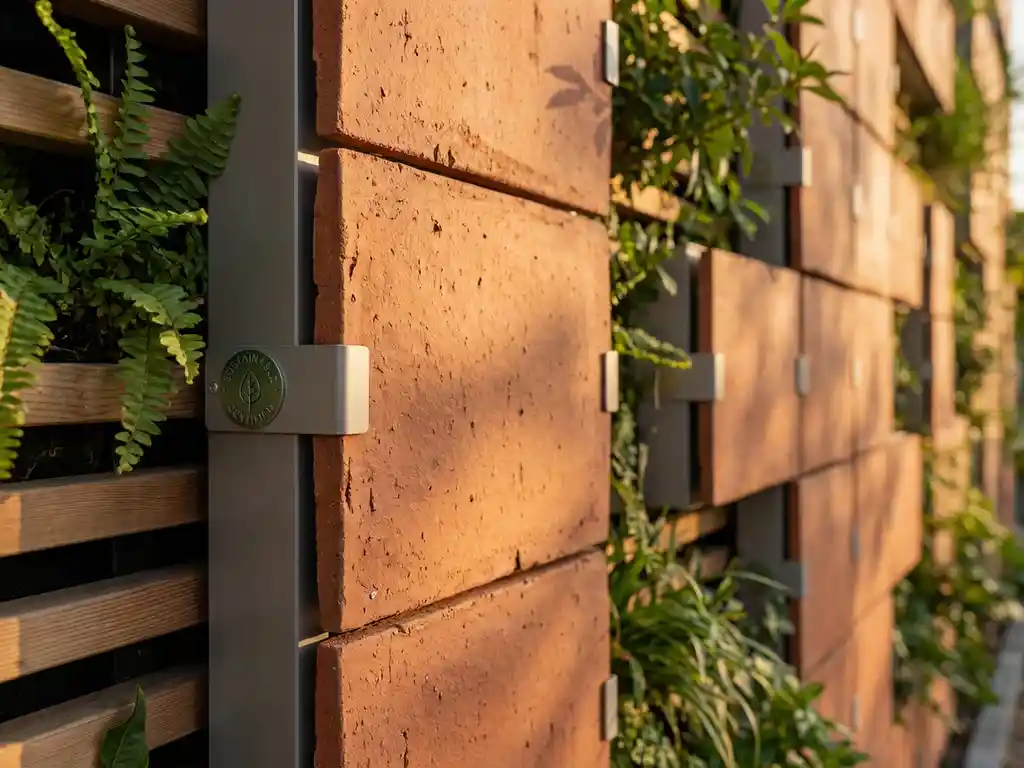
What Is BREEAM Certification and Why Does It Matter for European Buildings?
BREEAM (Building Research Establishment Environmental Assessment Method) is the world’s leading sustainability assessment method for buildings, providing a framework for evaluating environmental performance across multiple categories, including materials, energy, water, and waste. Established in 1990, BREEAM certification has become the gold standard for sustainable building practices across Europe and internationally.
For European property developers and architects, BREEAM certification matters because it demonstrates measurable environmental performance while often increasing property values and marketability. The assessment covers nine key categories: management, health and wellbeing, energy, transport, water, materials, waste, land use and ecology, and pollution. Buildings can achieve ratings from Pass to Outstanding, with each level requiring specific performance thresholds across these categories.
The certification process involves independent assessment by trained professionals who evaluate design intent and actual building performance. This rigorous approach helps ensure that BREEAM-certified buildings deliver genuine environmental benefits rather than superficial green credentials.
How Does Terracotta Qualify for BREEAM Materials Credits?
Terracotta and ceramic facades can qualify for BREEAM materials credits through their natural composition, durability, and recyclability. The Materials category typically accounts for 12.5% of the total BREEAM score, making material selection crucial for achieving higher certification levels.
Ceramic facade materials can earn credits through several pathways. Their natural clay composition means they typically have lower embodied carbon than many synthetic alternatives. The manufacturing process, while energy-intensive during firing, produces materials with exceptional longevity that amortizes environmental impact over decades of maintenance-free performance. Additionally, ceramic facades can contribute to the “Material Efficiency” criterion by reducing the need for regular cleaning, painting, or surface treatments.
Recyclability is particularly valuable for BREEAM assessment. High-quality ceramic facade elements can be fully deconstructed at end of life and either reused directly or recycled into new ceramic products, supporting circular economy principles that BREEAM increasingly emphasizes.
What Environmental Benefits Do Ceramic Facades Provide for BREEAM Assessment?
Ceramic facades provide multiple environmental benefits that can positively impact BREEAM assessment across several categories, including thermal performance, minimal maintenance requirements, and recyclability. These characteristics directly address BREEAM’s focus on lifecycle environmental impact rather than only initial material selection.
The thermal mass properties of ceramic materials can contribute to building energy efficiency by moderating temperature fluctuations and reducing heating and cooling demand. This thermal performance can support credits in the Energy category, which carries significant weighting in BREEAM calculations. The dense, fired ceramic structure also provides excellent weather resistance without requiring protective coatings or treatments that might contain volatile organic compounds.
Water management is another key benefit area. Ceramic facades shed rainwater effectively while resisting moisture penetration, reducing building-envelope maintenance and the risk of moisture-related issues. The non-porous surface helps prevent algae growth and staining, reducing the need for chemical cleaning products throughout the building’s operational phase.
Which BREEAM Categories Can Terracotta Facades Impact Most?
Terracotta facades can most significantly impact the Materials, Health and Wellbeing, and Management categories of BREEAM assessment, though they may also contribute to Energy and Pollution scores. The Materials category offers the most direct pathway through responsible sourcing and lifecycle performance criteria.
In the Health and Wellbeing category, ceramic facades can contribute through their non-toxic composition and resistance to biological growth. Unlike some facade materials that may off-gas chemicals or require biocide treatments, fired ceramic can support indoor air quality while offering inherent resistance to microbial growth. The material’s UV stability also helps prevent degradation that could release particles or require replacement.
The Management category benefits from ceramic facades’ predictable performance and minimal maintenance requirements. This reliability supports asset management planning and reduces operational disruption over the building’s lifecycle. The precise manufacturing tolerances possible with ceramic elements can also support quality management during construction.
How Do You Document Terracotta Performance for BREEAM Submission?
Documenting terracotta performance for BREEAM submission requires comprehensive material specifications, environmental product declarations (EPDs), and lifecycle assessment data demonstrating compliance with specific BREEAM criteria. The documentation must clearly link material properties to relevant BREEAM credits and provide verifiable performance metrics.
Essential documentation includes detailed material composition data showing natural clay content and the absence of harmful additives. Manufacturing process information should describe energy sources and efficiency measures, while transportation data must account for the distance from the production facility to the construction site. Fire performance classifications, particularly A1 non-combustible ratings, require certified test results from recognized laboratories.
Durability documentation is crucial for lifecycle assessments. This includes accelerated weathering test results, thermal-cycling performance data, and UV-resistance specifications. End-of-life planning documentation should detail deconstruction methods and recycling pathways. Many ceramic facade manufacturers provide standardized BREEAM documentation packages that compile this information in formats recognized by BREEAM assessors. For comprehensive documentation support, specialized resources are available to streamline the submission process.
How TONALITY® Supports BREEAM Certification Goals
TONALITY® ceramic facade systems are specifically engineered to support BREEAM certification across multiple assessment categories. Our A1-classified, non-combustible ceramic elements provide documented performance benefits that can contribute to higher BREEAM scores while delivering long-term value through maintenance-free operation.
Key BREEAM advantages of TONALITY® systems include:
- Comprehensive environmental product declarations (EPDs) ready for BREEAM submission
- 100% recyclable ceramic elements supporting circular economy credits
- Minimal maintenance requirements, reducing operational environmental impact
- Precision manufacturing enabling waste reduction during installation
- Natural clay composition from sustainable European sources
- Lightweight design reducing structural requirements and material usage
Our technical team provides dedicated BREEAM support documentation and can work directly with your assessors to help maximize credit achievement. Contact TONALITY® today to discuss how our ceramic facade solutions can enhance your project’s BREEAM performance and support your sustainable building goals.
Related Articles
- 7 Ways to Create Depth and Shadow Play with 3D Terracotta Panels
- What acoustic benefits do terracotta facades provide?
- Which LEED credits can architects achieve with terracotta facade specification?
- What BIM objects are available for terracotta facade specification?
- How do architects create parametric and computational terracotta facade designs?