

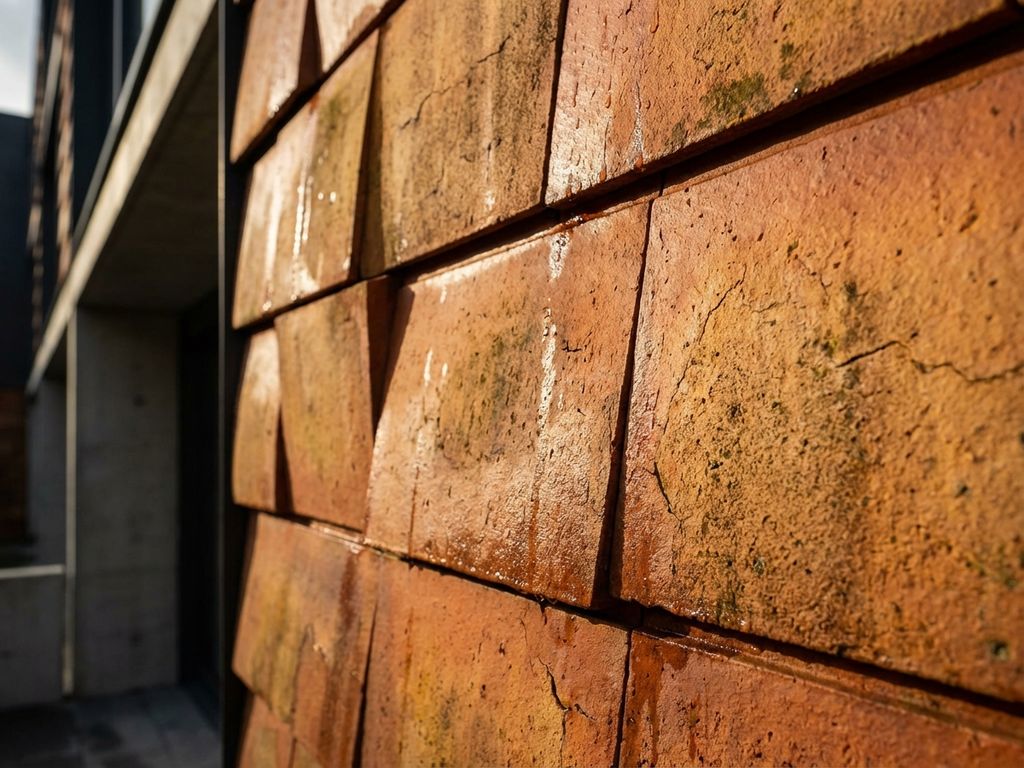
Terracotta cladding systems are exceptionally durable, typically lasting 50–100 years with minimal maintenance. Their durability stems from high-temperature firing processes that create dense, non-porous surfaces resistant to weathering, UV damage, and thermal stress. Understanding the factors that influence terracotta’s longevity helps architects and builders make informed decisions about façade materials.
What exactly makes terracotta cladding so durable?
Terracotta’s exceptional durability comes from its dense ceramic composition and high-temperature firing process, which creates a material that resists weathering, thermal stress, and environmental damage. Firing at temperatures exceeding 1,200 degrees Celsius transforms clay into a dense, vitrified material with extremely low porosity.
The manufacturing process fundamentally changes the clay’s molecular structure. During firing, the clay particles fuse together, creating a homogeneous material with superior water resistance and structural integrity. This vitrification process eliminates weak points that could lead to cracking or deterioration over time.
Terracotta façades also benefit from their inherent thermal properties. The material expands and contracts uniformly with temperature changes, reducing stress concentrations that could cause failure. The low thermal conductivity helps maintain stable temperatures within the cladding system, further reducing thermal cycling stress.
The natural composition of terracotta makes it inherently resistant to chemical attack from pollutants, acid rain, and other environmental factors. Unlike some synthetic materials, terracotta doesn’t degrade when exposed to UV radiation, maintaining both its structural properties and appearance throughout its service life.
How long do terracotta cladding systems typically last?
Well-manufactured terracotta cladding systems typically last 50–100 years, significantly outperforming many alternative façade materials. The actual lifespan depends on manufacturing quality, installation standards, and environmental conditions, but properly installed systems often exceed their expected service life.
Historical evidence supports these longevity claims. Many terracotta buildings from the early 20th century remain structurally sound and aesthetically pleasing today. Victorian and Edwardian terracotta façades continue to perform well after more than a century of service, demonstrating the material’s exceptional durability.
Compared to other cladding materials, terracotta façades offer superior longevity. While metal cladding may require replacement after 25–40 years due to corrosion, and some composite materials may deteriorate within 20–30 years, quality terracotta maintains its performance characteristics for decades longer.
The extended lifespan makes terracotta an excellent long-term investment. When evaluating total cost of ownership, the material’s durability often compensates for higher initial installation costs through reduced replacement and maintenance requirements over the building’s lifetime.
What factors can affect the durability of terracotta façades?
Several environmental and installation factors can influence terracotta cladding durability, including thermal cycling, moisture exposure, installation quality, and substrate preparation. Understanding these variables helps ensure optimal long-term performance of terracotta façade systems.
Environmental conditions play a crucial role in façade performance. Extreme temperature fluctuations can create thermal stress, while persistent moisture exposure may affect fixing systems or substrate materials. Coastal environments with salt exposure require careful consideration of compatible fixings and sealants.
Installation quality significantly impacts durability. Poor substrate preparation, inadequate drainage provision, or incorrect fixing methods can compromise even the highest-quality terracotta elements. Proper installation ensures that thermal movement is accommodated and water penetration is prevented.
The building’s structural movement also affects cladding performance. Excessive deflection or settlement can stress the cladding system beyond its design limits. Adequate provision for building movement through proper joint design and flexible connections is essential for long-term durability.
Regular inspection and maintenance help identify potential issues before they affect the system’s integrity. Early intervention for minor problems prevents more significant deterioration and extends the façade’s service life.
How much maintenance do terracotta cladding systems require?
Terracotta cladding systems require minimal maintenance compared to most façade materials, typically needing only periodic cleaning and routine inspections. These low-maintenance characteristics make terracotta an attractive long-term investment for building owners seeking reduced lifecycle costs.
Routine maintenance primarily involves visual inspections to check for any damage to elements or fixings. These inspections should occur annually, with particular attention to joints, sealants, and drainage details. Most issues can be identified and addressed before they affect the system’s performance.
Cleaning requirements depend on the building’s location and exposure to pollutants. Urban environments may require cleaning every 5–10 years to maintain appearance, while rural locations may need attention less frequently. Simple cleaning methods using water and mild detergents are usually sufficient.
The inherent properties of fired ceramic mean that terracotta doesn’t require protective coatings or treatments that need regular renewal. Unlike some materials that require painting or sealing every few years, terracotta maintains its protective properties throughout its service life.
When repairs are needed, individual terracotta elements can often be replaced without affecting the surrounding cladding. This modular approach to maintenance reduces costs and minimizes disruption compared to systems requiring large-scale replacement.
How does TONALITY® help with terracotta cladding durability?
TONALITY® provides superior durability solutions through advanced manufacturing processes, precision quality control, and innovative installation systems that maximize the long-term performance of ceramic façade applications. The company’s approach ensures exceptional durability throughout every aspect of the cladding system.
TONALITY®’s manufacturing excellence delivers enhanced durability through:
- High-temperature sinter firing at over 1,200°C, creating exceptionally dense, durable ceramic elements
- Precision manufacturing tolerances within one millimetre, ensuring a perfect fit and reduced stress points
- Comprehensive quality control processes guaranteeing consistent material properties
- Advanced interlocking profile systems that accommodate thermal movement while maintaining weather sealing
- Lightweight design reducing structural loads and enabling flexible installation solutions
The integrated approach to durability includes graffiti-resistant surfaces, permanent colour stability, and complete recyclability for sustainable building practices. TONALITY®’s ceramic elements achieve building material class A1 classification, providing non-combustible performance for enhanced fire safety. Architects and specifiers can explore successful project implementations that demonstrate these durability benefits in real-world applications.
For architects and specifiers seeking proven durability solutions for ceramic façade applications, TONALITY® offers comprehensive technical support and performance guarantees. Contact our technical team to discuss how TONALITY® ceramic cladding systems can deliver exceptional long-term performance for your project.