

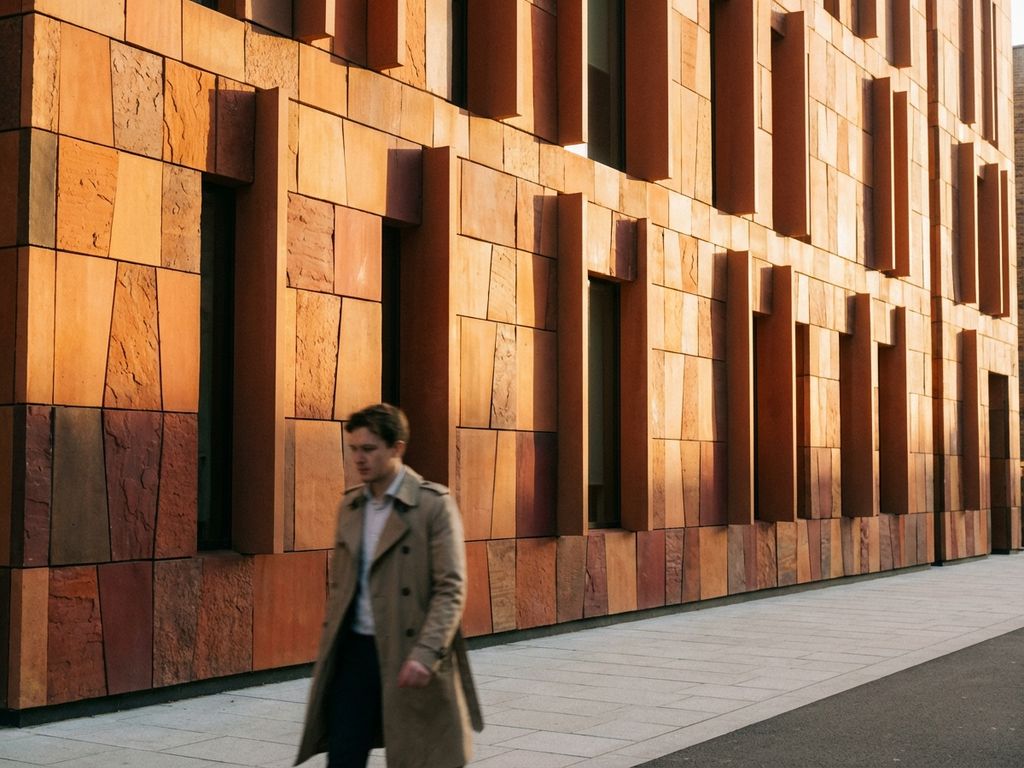
Terracotta facades represent an excellent choice for 2026 projects, offering exceptional durability, design flexibility and sustainability credentials that align with modern construction demands. These ceramic cladding systems provide long-term value through minimal maintenance requirements and superior weather resistance, while meeting contemporary aesthetic expectations for both residential and commercial buildings.
What makes terracotta facades worth considering in 2026?
Terracotta facades deliver outstanding performance advantages that make them increasingly relevant for modern construction projects. Their exceptional durability stems from high-temperature firing processes that create dense, weather-resistant surfaces capable of withstanding decades of exposure without significant deterioration.
The design flexibility of terracotta facades allows architects to achieve diverse aesthetic goals through extensive colour palettes, surface textures and format options. Modern manufacturing techniques enable precise dimensional control and consistent quality across large installations, supporting both traditional and contemporary architectural styles.
Sustainability credentials position terracotta facades favourably for environmentally conscious projects. These ceramic systems are fully recyclable, contain no harmful chemicals, and their longevity reduces replacement frequency. The natural clay composition and energy-efficient production methods contribute to lower environmental impact compared to many alternative cladding materials.
Performance advantages include natural resistance to UV degradation, colour stability and integrated protection against common building facade challenges such as graffiti and weathering. The material’s inherent fire-resistant properties make it particularly suitable for projects requiring enhanced safety standards.
How do terracotta facades compare to other exterior cladding options?
Terracotta facades offer superior longevity and lower maintenance requirements compared to brick, stone, metal and composite alternatives. While initial investment may be higher than some options, the total cost of ownership typically proves more economical due to minimal upkeep needs and exceptional durability.
Compared to traditional brick, terracotta facades provide greater design flexibility with more colour options and surface treatments. The lightweight nature of ceramic elements reduces structural requirements, making them suitable for both new construction and renovation projects where load considerations are important.
Against natural stone, terracotta facades offer consistent quality and appearance without the variation and potential weathering issues associated with quarried materials. Installation is typically faster and more straightforward, with precision-manufactured elements ensuring proper fit and alignment.
Metal cladding systems may offer lower initial costs but often require more frequent maintenance and eventual replacement due to corrosion and thermal expansion issues. Terracotta facades maintain their appearance and structural integrity significantly longer without protective coatings or treatments.
Composite materials, while offering design flexibility, often lack the natural durability and fire resistance of ceramic facades. Many composite systems require regular maintenance to prevent degradation and may not achieve the same lifespan as properly manufactured terracotta elements.
What are the real costs of installing terracotta facades?
Installing terracotta facades involves initial investment in materials and specialised installation, but the total cost of ownership typically proves economical due to exceptional longevity and minimal maintenance requirements. The lightweight nature of ceramic elements often reduces structural support costs compared to heavier cladding alternatives.
Initial investment encompasses material costs, installation labour and any necessary substructure modifications. However, the precision manufacturing of modern terracotta systems streamlines installation processes, potentially reducing labour time and associated expenses compared to more complex cladding systems.
Long-term maintenance requirements remain minimal throughout the facade’s lifespan. The weather-resistant properties of properly fired ceramic eliminate the need for regular treatments, protective coatings or frequent cleaning that other materials may require. This translates to significant savings over decades of building operation.
Total cost of ownership calculations should include the facade’s expected lifespan, which often exceeds 50 years for quality terracotta systems. When distributed across this timeframe, the annual cost often compares favourably to alternatives requiring more frequent maintenance or replacement.
Energy-efficiency benefits may provide additional cost savings through improved building thermal performance, particularly when ceramic facades are integrated with appropriate insulation systems.
Why are architects choosing ceramic facades for modern buildings?
Architects increasingly select ceramic facades because they offer exceptional design flexibility while meeting stringent performance requirements for contemporary buildings. The material’s ability to achieve diverse aesthetic goals through varied colours, textures and formats makes it suitable for both striking architectural statements and subtle, refined appearances.
Current architectural trends favour materials that combine natural origins with high-tech performance characteristics. Ceramic facades satisfy this preference by offering clay-based authenticity enhanced through advanced manufacturing processes that ensure consistent quality and superior durability.
The extensive colour palette available in modern ceramic facades enables architects to specify exact shades that complement overall design schemes. Unlike painted surfaces that may fade or require renewal, ceramic colours remain stable throughout the building’s lifespan, maintaining design integrity.
Surface texture options range from smooth, contemporary finishes to more traditional or tactile appearances. This versatility allows architects to create visual interest and depth while maintaining the practical benefits of ceramic cladding systems.
Technical performance meets contemporary building standards for fire resistance, weather protection and thermal efficiency. The material’s classification as non-combustible provides crucial safety benefits, particularly important for high-rise and public buildings where fire resistance is paramount.
How TONALITY® helps with terracotta facade selection
TONALITY® provides comprehensive ceramic facade solutions that address common terracotta selection challenges through advanced manufacturing processes and innovative installation systems. Our ceramic elements combine traditional clay craftsmanship with modern engineering to deliver superior performance and design flexibility.
Key advantages of TONALITY® ceramic facade systems include:
- Lightweight construction with only 40 kg per square metre surface weight, reducing structural requirements
- Precision manufacturing tolerance within one millimetre for perfect installation alignment
- Extensive format range from 150 x 300 mm to 400 x 1600 mm, accommodating diverse design requirements
- Integrated interlocking system with aluminium profiles for simplified installation
- A1 fire classification providing maximum safety compliance
- Complete recyclability supporting sustainable construction goals
Our ceramic elements undergo specialised sinter firing at temperatures exceeding 1,200°C, creating unrivalled surface density and weather resistance. This process ensures consistent quality and long-term performance that exceeds standard terracotta specifications, as demonstrated in our successful project implementations.
Contact TONALITY® today to discuss how our ceramic facade systems can enhance your next project with superior performance, design flexibility and long-term value.