

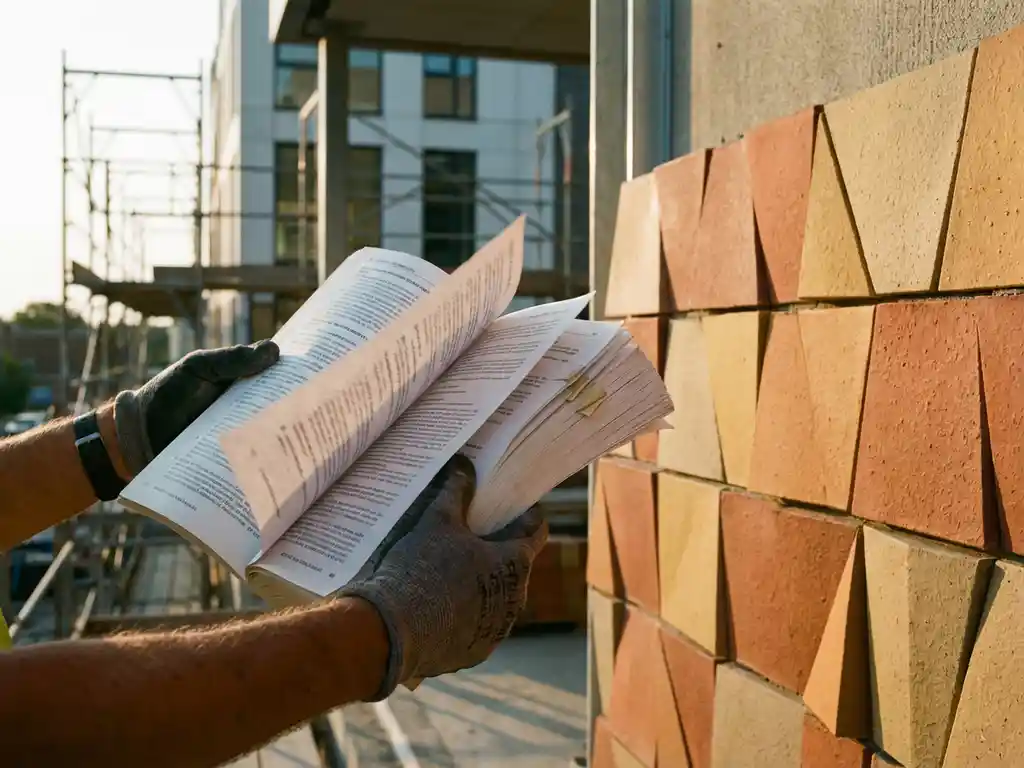
Building codes serve as the foundation for safe, functional construction in communities worldwide. These comprehensive regulations establish minimum standards for everything from structural integrity to fire safety, ensuring that buildings protect occupants and meet public welfare requirements.
Understanding building codes is essential for anyone involved in construction, renovation, or property development. Whether you’re a homeowner planning an addition or a professional contractor, successfully navigating these requirements can mean the difference between a smooth project and costly delays or safety hazards.
What Are Building Codes and How Do They Work?
Building codes are legally enforceable regulations that establish minimum safety and performance standards for the construction, alteration, and maintenance of buildings and structures. These comprehensive rules cover structural design, electrical systems, plumbing, mechanical systems, fire safety, accessibility, and energy efficiency to protect public health and safety.
Building codes operate through a system of adoption, enforcement, and compliance verification. Local jurisdictions typically adopt model codes developed by organizations such as the International Code Council and then modify them to address regional needs, such as climate conditions or seismic activity. Building officials enforce these codes through plan reviews and on-site inspections during construction.
The enforcement process begins when property owners submit construction plans for review and obtain building permits. Throughout construction, inspectors verify compliance at key milestones, such as foundation completion, framing, electrical rough-in, and final inspection for occupancy. This systematic approach ensures that buildings meet established safety standards before people can occupy them.
Why Do Building Codes Matter for Construction Projects?
Building codes matter because they help prevent structural failures, fires, and other hazards that could endanger lives and property. They establish uniform standards that protect occupants, neighboring properties, and the broader community while ensuring buildings can withstand local environmental conditions and usage demands.
Beyond safety, building codes serve several critical functions in construction projects. They provide legal protection for property owners by establishing accepted construction standards and reducing liability risks when buildings are constructed according to code requirements. Insurance companies often require code compliance for coverage, making adherence essential for property protection.
Building codes also facilitate commerce and development by creating predictable standards that architects, engineers, and contractors can follow consistently across projects. This standardization reduces design time, streamlines the approval process, and helps control construction costs by establishing clear expectations for materials and methods.
What’s the Difference Between Building Codes and Zoning Laws?
Building codes regulate how structures are built, focusing on safety, structural integrity, and performance standards, while zoning laws control where different types of buildings can be located and how land can be used within specific geographic areas.
Building codes address technical construction requirements such as foundation design, electrical wiring methods, plumbing installation, fire-rated assemblies, and accessibility features. These regulations ensure that buildings are safe and functional regardless of their location or occupancy type.
Zoning laws, in contrast, establish land-use patterns by designating areas for residential, commercial, industrial, or mixed-use development. They control building placement through setback requirements, height restrictions, lot-coverage limits, and parking requirements. Zoning also regulates building density and can restrict certain business types in specific areas.
Both building codes and zoning laws must be satisfied for construction projects to receive approval. A project might meet all building code requirements for structural safety but still be rejected if it violates zoning restrictions for the area.
How Do You Ensure Your Project Complies with Building Codes?
Ensuring building code compliance requires early planning, professional involvement, and systematic verification throughout the construction process. Start by consulting local building officials, hiring qualified professionals, obtaining the proper permits, and scheduling required inspections at the appropriate phases of construction.
Begin compliance efforts during the design phase by engaging architects and engineers familiar with local building codes. These professionals can design systems and specify materials that meet code requirements while achieving your project goals. Review preliminary designs with building department staff to identify potential issues before finalizing plans.
The permit application process provides a formal code review, during which building officials examine plans for compliance before issuing construction authorization. Submit complete, detailed drawings and specifications to expedite this review. Address any plan review comments promptly to avoid delays.
During construction, schedule inspections according to local requirements, and do not proceed to subsequent phases until you receive approval. Common inspection points include excavation, foundation, framing, mechanical rough-in, electrical rough-in, plumbing rough-in, insulation, drywall, and final occupancy. Keep approved plans on-site and ensure the work matches the approved drawings.
What Happens If You Don’t Follow Building Codes?
Failing to follow building codes can result in stop-work orders, financial penalties, legal liability, denial of insurance coverage, and requirements to demolish or extensively modify non-compliant construction. Building officials have the authority to halt construction and require corrections before work can continue.
Immediate consequences typically include construction delays and increased project costs. Building departments may issue violation notices requiring specific corrections within designated timeframes. Continued non-compliance can lead to escalating fines and potential legal action.
Long-term implications of code violations extend beyond initial construction. Insurance companies may deny claims for damages related to non-compliant work, leaving property owners financially exposed. When selling a property, code violations must typically be disclosed and corrected, potentially affecting property values and marketability.
Safety risks pose the most serious consequences of code non-compliance. Buildings that do not meet structural, electrical, or fire safety codes may endanger occupants and neighboring properties. Property owners can face civil liability for injuries or damages resulting from code violations, making compliance both a legal and ethical responsibility.
How TONALITY® Ceramic Facades Support Building Code Compliance
TONALITY® ceramic facade systems are engineered to exceed building code requirements while simplifying compliance verification for construction projects. Our ceramic elements achieve A1 fire classification as non-combustible building materials, meeting the most stringent fire safety codes without additional treatments or modifications.
Key compliance advantages of TONALITY® systems include:
- A1 fire classification eliminates combustibility concerns in building code reviews.
- Precise manufacturing tolerances ensure consistent installation and performance.
- Low surface weight reduces structural load requirements and simplifies engineering calculations.
- An integrated mounting system streamlines installation while maintaining code compliance.
- Comprehensive technical documentation supports permit applications and plan reviews.
Our technical team provides detailed specifications, installation guidelines, and engineering support to help architects and contractors navigate building code requirements efficiently. Explore our successful projects to see how TONALITY® has helped clients achieve code compliance in challenging applications. Contact TONALITY® to learn how our ceramic facade solutions can enhance your project’s code compliance while delivering exceptional performance and design flexibility.
Related Articles
- What is facade renovation and why is it necessary for buildings
- How do terracotta facades contribute to a circular economy in 2026?
- How do building codes affect terracotta facade installation?
- Terracotta vs GFRC Panels: Weight, Cost, and Design Flexibility Compared
- 8 Critical Questions for Your Terracotta Facade Pre-Tender Meeting