

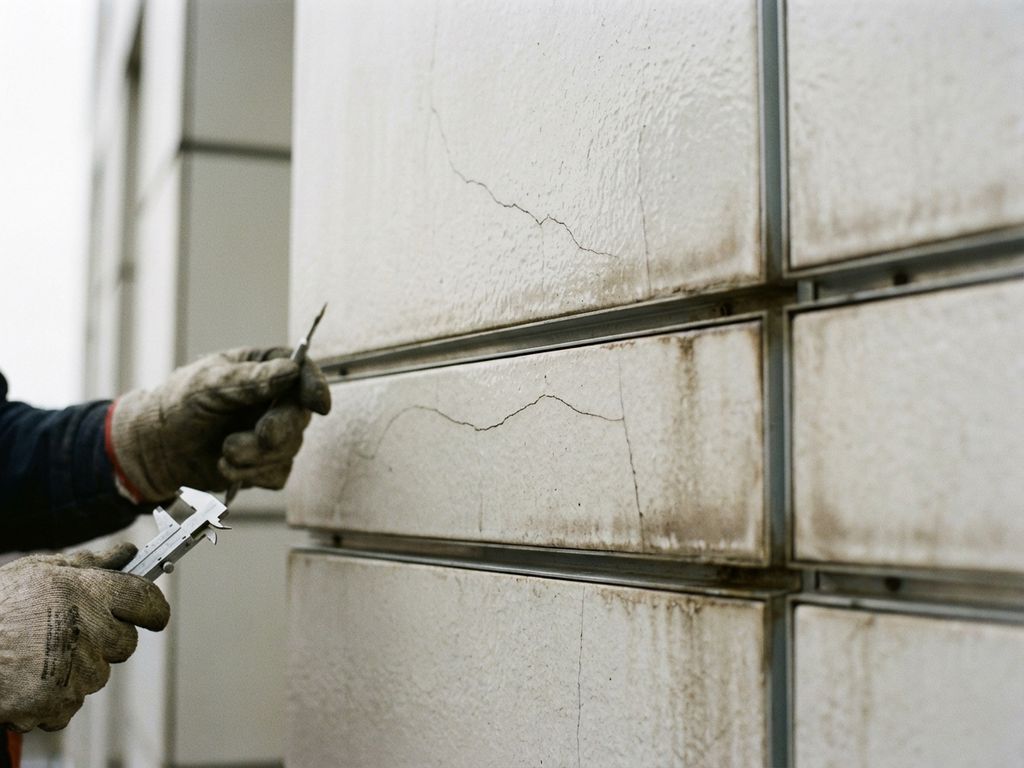
Ceramic facades require regular attention to maintain their appearance and performance over time. The most common maintenance issues include surface staining from pollution and weathering, joint deterioration around mounting systems, thermal expansion problems, and occasional impact damage. Understanding these challenges helps building owners plan appropriate care strategies and budget for long-term upkeep.
What are the most frequent maintenance problems with ceramic facades?
Surface staining, joint deterioration, thermal expansion issues, and impact damage represent the primary maintenance challenges for ceramic facades. These problems typically develop gradually through exposure to environmental conditions, structural movement, and normal wear over the building’s lifecycle.
Surface staining occurs most commonly on lower-quality ceramic materials that lack proper surface density. Pollution particles and organic matter accumulate in microscopic pores, creating discoloured patches that become more pronounced over time. This issue particularly affects facades in urban environments where airborne contaminants are prevalent.
Joint deterioration around mounting systems poses structural concerns beyond aesthetic problems. Weather penetration through compromised seals can damage underlying support structures, while thermal movement creates stress points that may lead to cracking or loosening of facade elements.
Thermal expansion issues arise when facade systems lack adequate provision for material movement. Temperature fluctuations cause ceramic elements to expand and contract, potentially creating stress fractures or displacement if mounting systems are too rigid or improperly designed.
Why do ceramic facades develop staining and discolouration over time?
Ceramic facades develop staining primarily due to surface porosity that allows contaminants to penetrate and accumulate within the material structure. Lower-quality ceramics with insufficient firing temperatures create surfaces that trap pollution particles, organic growth, and mineral deposits from water runoff.
Environmental conditions significantly influence staining susceptibility. Urban environments expose facades to higher concentrations of airborne pollutants, including vehicle emissions, industrial particles, and atmospheric dust. These contaminants settle on facade surfaces and gradually penetrate porous materials, creating permanent discolouration that becomes increasingly difficult to remove.
Biological growth represents another major staining factor, particularly on facades with sufficient moisture retention. Algae, moss, and other microorganisms thrive in humid conditions, especially on north-facing surfaces that receive limited direct sunlight. Poor drainage design can exacerbate these conditions by allowing water to pool or run consistently across facade surfaces.
Water runoff patterns create distinctive staining lines where dissolved minerals and carried particles concentrate during rainfall. Inadequate surface density in ceramic materials allows these substances to penetrate rather than wash away cleanly, resulting in permanent streaking and discolouration patterns.
How do weather conditions affect ceramic facade longevity?
Weather conditions impact ceramic facade longevity through freeze-thaw cycles, UV exposure, wind-driven rain, and temperature fluctuations that stress both materials and mounting systems. These environmental factors work together to accelerate wear and reduce overall facade performance over time.
Freeze-thaw cycles pose particular risks to porous ceramic materials where trapped moisture expands during freezing, creating internal pressure that leads to surface spalling and crack development. This process is cumulative, with each cycle potentially widening existing damage and creating new penetration points for future moisture ingress.
UV exposure affects ceramic facades differently depending on material quality and surface treatment. High-quality ceramics with proper firing maintain colour stability, while inferior materials may experience fading or surface degradation. Temperature fluctuations create expansion and contraction cycles that stress mounting systems and can lead to joint failure if not properly accommodated.
Wind-driven rain creates unique challenges by forcing water into joints and mounting details under pressure. This penetration can damage substrate materials and create freeze-thaw vulnerabilities in climates with temperature variations. Proper facade design must account for these weather-driven moisture intrusion risks.
What cleaning methods work best for different ceramic facade issues?
Effective cleaning methods vary significantly based on stain type, ceramic surface quality, and contamination severity. Gentle approaches using pH-neutral cleaners work best for regular maintenance, while stubborn stains may require specialised chemical treatments or controlled pressure-washing techniques.
For routine maintenance, soft washing with mild detergent solutions removes surface dirt without damaging ceramic finishes. This approach works effectively on high-quality ceramics with dense, non-porous surfaces where contaminants remain on the surface rather than penetrating the material structure.
Biological growth requires specific treatment with anti-fungal or anti-algae solutions applied at appropriate concentrations. These treatments should be followed by thorough rinsing to prevent chemical residue accumulation that could attract future contamination or cause surface damage.
Pressure washing requires careful consideration of ceramic quality and mounting system integrity. Low-pressure techniques with appropriate nozzle selection can effectively remove stubborn stains without damaging joints or forcing water into mounting details. However, this method may be unsuitable for facades with compromised surface integrity.
Preventive cleaning schedules typically involve annual inspection and cleaning for most applications, with more frequent attention required in heavily polluted urban environments or areas with significant biological growth potential.
When should ceramic facade elements be repaired versus replaced?
Repair versus replacement decisions depend on damage severity, underlying structural integrity, and long-term performance expectations. Minor surface issues often respond well to repair, while structural damage or widespread deterioration typically requires element replacement for reliable performance.
Surface staining that penetrates deeply into porous ceramic materials generally cannot be effectively cleaned or repaired. In these cases, replacement provides the only viable solution for restoring appearance and preventing continued deterioration. Crack development also signals potential structural compromise that may require replacement rather than temporary repair.
Joint and mounting system problems may allow repair if caught early and underlying structures remain sound. However, repeated joint failures or evidence of water penetration damage often indicate systemic issues that make replacement more economical than ongoing repairs.
Lifecycle considerations favour replacement when repair efforts become frequent or when facade elements approach their expected service life. Quality ceramic systems should provide decades of low-maintenance performance, making frequent repairs a sign that replacement would deliver better long-term value.
How TONALITY® eliminates common ceramic facade maintenance issues
TONALITY® ceramic facades address common maintenance challenges through advanced manufacturing processes and integrated protection systems. The high-temperature sinter-firing process creates exceptionally dense, non-porous surfaces that prevent contamination penetration and eliminate most staining issues that affect conventional ceramic facades.
Key maintenance advantages include:
- Integrated graffiti protection eliminates cleaning challenges and prevents permanent marking
- Permanent colour and UV resistance prevent fading and surface degradation
- Dense, smooth surfaces allow contaminants to wash away naturally during rainfall
- Precision interlocking mounting systems accommodate thermal movement without joint failure
- A1 fire classification ensures long-term structural integrity without material degradation
The single-layer production process and precision manufacturing eliminate many installation-related issues that contribute to maintenance problems in traditional terracotta facades. This comprehensive approach to facade design significantly reduces lifecycle maintenance requirements while ensuring consistent performance over decades of service.
For expert consultation on low-maintenance ceramic facade solutions, contact our technical team to discuss your specific project requirements and discover how TONALITY® systems can eliminate common facade maintenance challenges.