

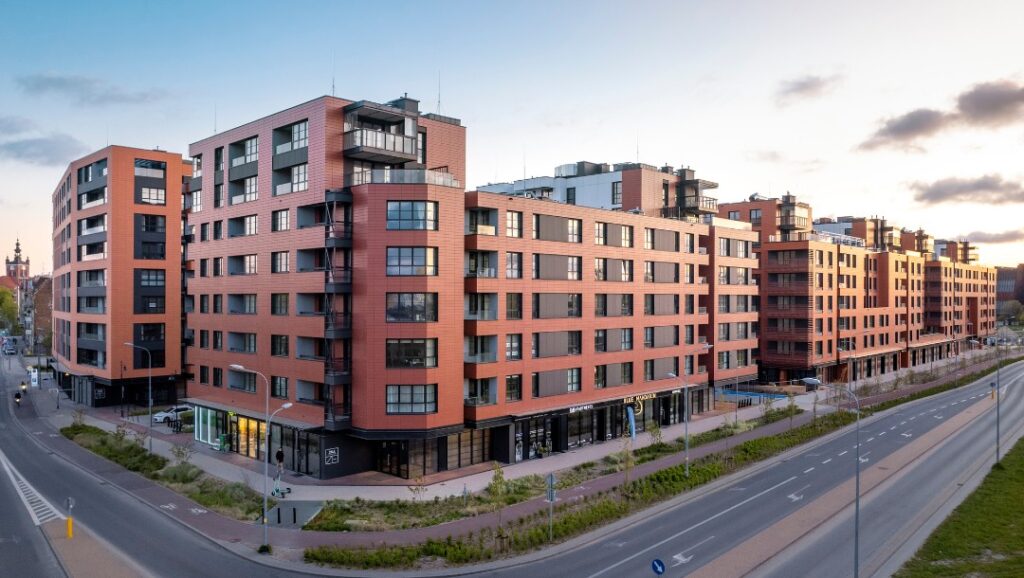
Modern architectural design is evolving rapidly, driven by technological advances, environmental consciousness, and changing human needs. Today’s architects are embracing innovative materials, sustainable practices, and design philosophies that prioritize both aesthetic appeal and functional performance.
These emerging trends reflect a fundamental shift toward more responsible, human-centered architecture that responds to contemporary challenges while creating spaces that enhance quality of life. Understanding these developments helps property owners, developers, and design professionals make informed decisions about their building projects.
What are the biggest architectural design trends in 2024?
The biggest architectural design trends in 2024 focus on sustainability, wellness, and technological integration. Architects are prioritizing climate-responsive design, biophilic elements, adaptive reuse of existing structures, and smart building systems that optimize energy performance and occupant comfort.
Minimalist aesthetics continue to dominate, but with warmer, more human-centered approaches. Natural materials like timber, stone, and advanced ceramics are gaining prominence over cold, industrial finishes. Mixed-use developments that combine residential, commercial, and recreational spaces within single projects are becoming increasingly popular as communities seek more integrated living environments.
Flexibility and adaptability have become essential design principles. Architects are creating spaces that can easily transform to meet changing needs, whether for remote work, multigenerational living, or evolving business requirements. This trend reflects lessons learned during recent global disruptions and the need for resilient built environments.
How are sustainable materials changing modern building design?
Sustainable materials are fundamentally transforming building design by enabling architects to create structures with significantly reduced environmental impact while maintaining superior performance and aesthetic quality. These materials are driving innovation in construction methods, building systems, and long-term maintenance strategies.
Recycled and upcycled materials are being integrated into high-end architectural projects, challenging traditional notions of luxury and quality. Cross-laminated timber is revolutionizing mid-rise construction, offering a renewable alternative to concrete and steel while providing excellent structural performance and carbon sequestration benefits.
Advanced ceramic materials are particularly noteworthy for their combination of sustainability and performance. These materials offer exceptional durability, require minimal maintenance over their life cycle, and can be fully recycled at the end of their useful life. Their production processes have also become more energy-efficient, further reducing their environmental footprint.
What role do facade systems play in contemporary architecture?
Facade systems serve as the critical interface between interior and exterior environments, functioning as both protective barriers and aesthetic statements that define a building’s character. Modern facade systems integrate thermal performance, weather protection, and architectural expression into unified design solutions.
Contemporary facade systems are increasingly sophisticated, incorporating features like integrated shading, natural ventilation, and energy-generation capabilities. They must balance multiple performance requirements, including thermal efficiency, moisture management, seismic resistance, and fire safety, while supporting the architect’s design vision.
The trend toward lightweight, high-performance facade systems is enabling more creative architectural expressions while reducing structural loads. These systems often feature modular components that simplify installation and future maintenance, making them particularly attractive for both new construction and renovation projects. Terracotta facade systems exemplify this approach with their combination of traditional material properties and modern manufacturing precision.
How is technology influencing architectural design today?
Technology is revolutionizing architectural design through advanced modeling software, artificial intelligence, and smart building systems that optimize performance and user experience. Digital design tools enable architects to simulate complex environmental conditions, test multiple design iterations, and collaborate more effectively with engineering teams.
Building Information Modeling has become the industry standard, allowing architects to create detailed virtual buildings before construction begins. This technology reduces errors, improves coordination between trades, and enables more precise material calculations and waste reduction.
Internet of Things sensors and smart building systems are being integrated into architectural designs from the earliest planning stages. These systems provide real-time data about building performance, occupant behavior, and environmental conditions, enabling continuous optimization of energy use and comfort levels.
Why are architects focusing more on wellness and biophilic design?
Architects are prioritizing wellness and biophilic design because research consistently demonstrates that connection to nature and thoughtful environmental design significantly improve human health, productivity, and psychological well-being. This focus addresses growing awareness of how built environments directly impact physical and mental health.
Biophilic design principles incorporate natural elements like plants, water features, natural light, and organic forms into architectural spaces. These elements help reduce stress, improve air quality, and create more engaging environments that support human flourishing. The approach extends beyond simple decoration to fundamental design strategies that maximize daylight, optimize air circulation, and create visual connections to outdoor spaces.
The wellness trend also encompasses material selection, with architects choosing products that contribute to healthy indoor environments. This includes materials with low volatile organic compound emissions, natural antimicrobial properties, and surfaces that support easy cleaning and maintenance without harsh chemicals.
How TONALITY® Ceramic Facades Support Modern Architectural Design Trends
TONALITY® ceramic facade systems directly address the key architectural design trends shaping today’s built environment through innovative material technology and sustainable manufacturing processes. Our ceramic elements support the growing demand for high-performance, environmentally responsible building solutions while enabling unlimited creative expression.
Key advantages for contemporary architectural projects include:
- Complete recyclability and minimal environmental impact throughout the product life cycle
- Class A1 fire resistance supporting timber construction and sustainable building methods
- Maintenance-free performance with permanent color stability and integrated graffiti protection
- Lightweight design reducing structural requirements and enabling innovative facade applications
- Precision manufacturing allowing custom formats from 150 x 300 mm to 400 x 1,600 mm
- Simple installation systems that reduce construction time and labor requirements
Our ceramic facades combine the natural beauty and performance that modern architecture demands with the sustainability credentials that responsible design requires. You can explore our completed projects to see how these systems perform in real-world applications, or request samples to experience the material quality firsthand. Contact our technical team to explore how TONALITY® ceramic systems can enhance your next architectural project while supporting your environmental and performance objectives.