

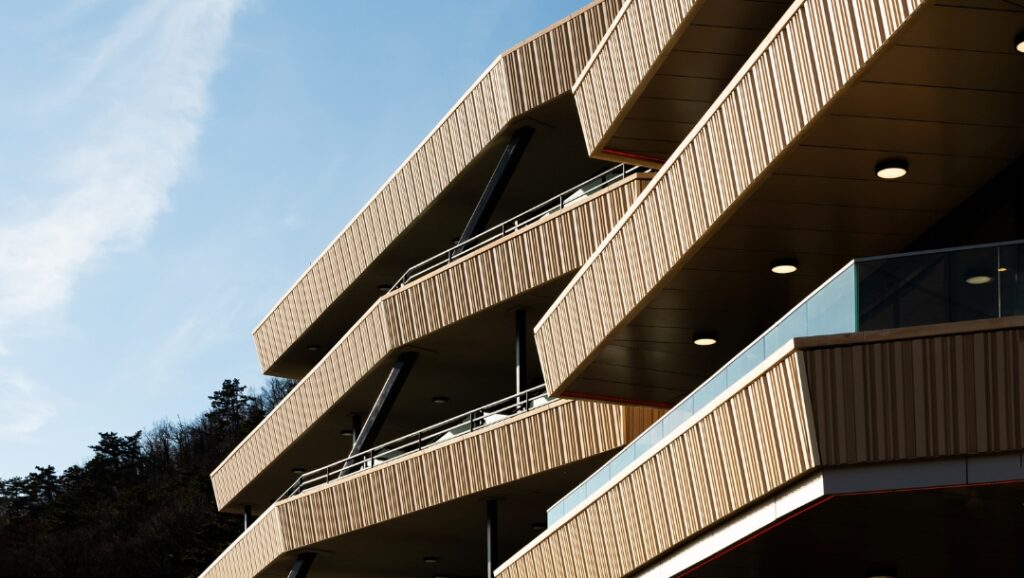
When planning construction projects today, architects and builders face the challenge of selecting materials that deliver both exceptional durability and environmental responsibility. Sustainable building materials have evolved far beyond basic eco-friendly options to include high-performance solutions that can withstand decades of use while minimizing environmental impact.
The key to successful sustainable construction lies in understanding which materials offer the best combination of longevity, performance, and environmental benefits. This comprehensive guide explores the most durable sustainable building materials available and helps you make informed decisions for your next project.
What makes a building material both durable and sustainable?
A building material achieves both durability and sustainability when it combines long-lasting performance with minimal environmental impact throughout its entire life cycle. This means the material must resist weathering, maintain structural integrity over decades, be produced using environmentally responsible methods, and remain recyclable at the end of its life.
Several key factors define truly sustainable and durable materials. The production process should use renewable or abundant raw materials with minimal energy consumption and emissions. The material must demonstrate resistance to environmental stressors, including UV radiation, temperature fluctuations, moisture, and chemical exposure. Additionally, sustainable materials should require minimal maintenance over their lifespan, reducing the need for replacement products and associated environmental costs.
Recyclability cannot be overlooked in sustainable material selection. Materials that can be fully recycled or repurposed at the end of their service life contribute to circular economy principles and reduce waste streams. This whole-life approach distinguishes truly sustainable materials from those that simply appear environmentally friendly during production.
Which sustainable materials offer the longest lifespan?
The most durable sustainable building materials include high-fired ceramics, natural stone, responsibly sourced timber, recycled steel, and advanced concrete alternatives, with lifespans ranging from 50 to more than 100 years when properly installed and maintained.
High-fired ceramic materials lead the durability category due to their exceptional resistance to weathering and virtually maintenance-free performance. These materials undergo firing processes at extremely high temperatures, creating dense, non-porous surfaces that resist moisture penetration, UV degradation, and thermal cycling. Their lifespan often exceeds 75 years with minimal performance degradation.
Natural stone materials such as granite, slate, and responsibly sourced limestone offer exceptional longevity, often lasting more than a century. However, their sustainability depends heavily on quarrying practices and transportation distances. Responsibly harvested timber, particularly hardwoods and engineered wood products, can provide lifespans of 50 to 100 years when properly treated and protected from moisture and pests.
Recycled steel and aluminum retain their structural properties through multiple recycling cycles, offering the potential for indefinite reuse. Advanced concrete alternatives incorporating recycled aggregates and supplementary cementitious materials can achieve lifespans of 75 to 100 years while reducing environmental impact compared with traditional concrete.
How do ceramic facade materials compare to traditional options?
Ceramic facade materials significantly outperform traditional options in durability, maintenance requirements, and environmental impact. Unlike vinyl, wood, or standard concrete panels, ceramic facades resist fading, cracking, and weathering while maintaining their appearance for decades without requiring refinishing or replacement.
Traditional facade materials often require regular maintenance cycles that increase long-term environmental impact and life-cycle costs. Wood siding needs periodic staining or painting, vinyl can become brittle and discolored, and metal panels may suffer from corrosion or thermal expansion issues. These maintenance requirements consume additional resources and generate waste over the building’s lifetime.
Ceramic facade systems offer superior thermal performance and fire resistance compared with many traditional alternatives. The high-temperature manufacturing process creates materials classified as non-combustible, providing enhanced fire safety compared with polymer-based or organic materials. Additionally, ceramic facades typically weigh less than natural stone or concrete panels, reducing structural load requirements and enabling more efficient building designs.
The precision manufacturing of ceramic elements allows for consistent quality and dimensional accuracy that traditional materials often cannot match. This precision reduces installation time and waste while ensuring optimal building-envelope performance throughout the structure’s lifespan.
What are the fire safety benefits of sustainable building materials?
Sustainable building materials often provide superior fire safety performance, with many achieving non-combustible classifications that enhance occupant safety and reduce the risk of property damage. Materials such as ceramics, natural stone, and recycled steel offer inherent fire resistance without requiring chemical treatments that may compromise sustainability.
Non-combustible sustainable materials contribute no fuel to fires and do not release toxic gases when heated, unlike many synthetic materials. This characteristic is particularly valuable in high-risk applications or buildings with stringent fire safety requirements. The stable performance of these materials under extreme temperatures helps maintain structural integrity longer during fire events.
Many sustainable materials also resist the spread of flames across building surfaces, providing additional time for occupant evacuation and firefighting efforts. This performance advantage often allows for more flexible building designs and can contribute to achieving higher fire safety ratings without compromising environmental goals.
The durability of fire-resistant sustainable materials means their protective properties remain consistent throughout the building’s lifespan, unlike some treatments that may degrade over time and require renewal to maintain effectiveness.
How do you choose the right durable material for your project?
Selecting the right durable sustainable material requires evaluating your specific climate conditions, building performance requirements, aesthetic goals, and long-term maintenance capabilities. Consider factors including local weather patterns, seismic activity, building codes, and the intended lifespan of your structure.
Begin your selection process by analyzing the environmental stressors your building will face. Coastal locations require materials with superior salt-spray resistance, while areas with extreme temperature variations need materials that can handle thermal cycling without degradation. UV exposure levels, precipitation patterns, and wind loads all influence material performance over time.
Evaluate total life-cycle performance rather than focusing solely on initial characteristics. Consider maintenance requirements, expected replacement intervals, and end-of-life disposal options. Materials requiring frequent maintenance may have a lower upfront environmental impact but higher long-term resource consumption.
Compatibility with your building system and installation methods affects both performance and sustainability. Materials that integrate efficiently with your structural system and can be installed with minimal waste contribute to overall project sustainability while ensuring optimal long-term performance. To explore material options and request samples for evaluation, consult with material specialists who can guide your selection process.
How TONALITY® Delivers Durable Sustainable Building Solutions
TONALITY® ceramic facade systems exemplify the perfect balance of durability and sustainability for modern construction projects. Our ceramic elements undergo specialized sinter firing at temperatures exceeding 1,200 degrees Celsius, creating exceptionally dense, smooth surfaces that deliver maintenance-free performance for decades while achieving an A1 non-combustible classification for superior fire safety.
Key advantages of TONALITY® ceramic facades include:
- 100% recyclable ceramic elements that support circular economy principles
- Low surface weight of approximately 40 kilograms per square meter, reducing structural requirements
- Integrated graffiti protection and permanent UV resistance, eliminating maintenance needs
- Precision manufacturing within a one-millimeter tolerance for optimal building-envelope performance
- Quick installation system with interlocking aluminum profiles, minimizing construction waste
Our ceramic facade systems are particularly valuable for timber construction projects, providing excellent fire protection while maintaining the sustainability benefits of wood framing. The lightweight design reduces substructure requirements while delivering the longevity and performance that modern sustainable construction demands. Explore our successful project implementations to see how TONALITY® ceramic facades enhance sustainable building performance, or contact our technical team to discover how these solutions can benefit your next sustainable building project.
Related Articles
- How does ceramic cladding compare to high-pressure laminate panels for commercial buildings?
- What are the benefits of terracotta facades?
- How easy is it to clean graffiti from terracotta facades?
- Terracotta vs HPL Panels: Technical Performance Comparison
- 5 Stunning Examples of Terracotta Combined with Glass, Steel, and Wood