

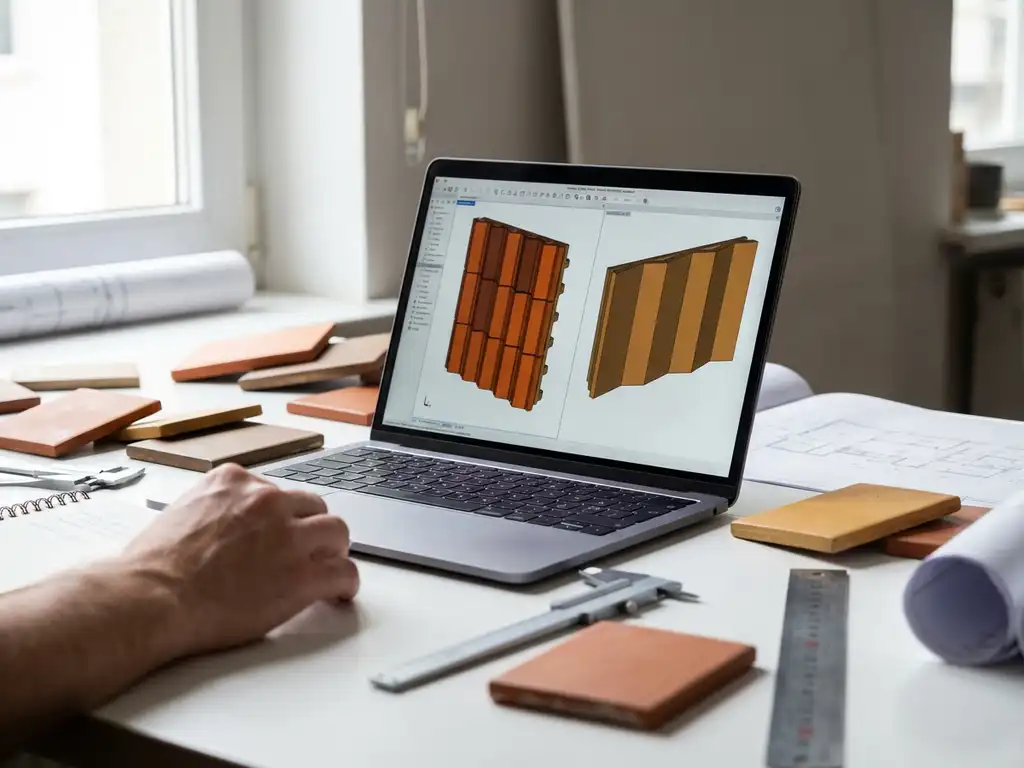
BIM objects for terracotta façades are digital representations of ceramic façade elements that contain geometric, material, and installation data for building information modelling software. These objects enable architects to accurately specify ceramic façade systems, coordinate with other building components, and streamline the design process. High-quality BIM objects are available from manufacturer libraries, third-party platforms, and industry databases, and contain essential information for successful terracotta façade specification.
What are BIM objects and why do terracotta façades need them?
BIM objects are intelligent digital models that represent real building components within building information modelling software. They contain geometric data, material properties, and metadata that enable accurate visualisation, coordination, and specification throughout the design and construction process.
For terracotta façade specification, BIM objects serve several critical functions. They provide accurate dimensional data for ceramic façade elements, enabling precise coordination with structural systems, windows, and other building components. This coordination capability helps prevent costly clashes during construction and ensures proper integration of the ceramic façade systems with the overall building design.
The objects also facilitate accurate material representation, showing how terracotta façades will appear in the finished building. This visual accuracy helps architects communicate design intent to clients and stakeholders while ensuring the specified ceramic elements meet project requirements. Additionally, BIM objects streamline the specification process by embedding technical data directly into the design model, reducing errors and improving documentation quality.
Where can architects find BIM objects for terracotta façade systems?
Architects can access terracotta façade BIM objects through several primary sources. Manufacturer libraries are the most reliable source, offering objects created specifically for their ceramic façade products with accurate specifications and current product information.
Third-party BIM platforms provide comprehensive libraries from multiple manufacturers. These platforms often offer standardised formats and quality control measures, ensuring compatibility across different design software packages. Popular platforms include manufacturer-neutral databases that aggregate objects from various ceramic façade suppliers.
Industry-specific databases maintained by professional organisations and software companies also provide access to terracotta BIM models. These sources typically focus on commonly specified products and maintain quality standards for object accuracy and completeness.
When selecting BIM objects, architects should verify compatibility with their façade design software, check for recent updates reflecting current product specifications, and ensure the objects contain sufficient detail for their project requirements. High-quality objects should work seamlessly across major BIM platforms, including Revit, Archicad, and Vectorworks.
What information should quality terracotta façade BIM objects contain?
High-quality ceramic façade BIM objects must include comprehensive geometric accuracy reflecting actual product dimensions, tolerances, and installation requirements. The objects should contain precise 3D geometry that represents both visible surfaces and back-profiling details necessary for proper installation coordination.
Material properties form another essential component, including surface finishes, colour information, thermal characteristics, and fire rating classifications. This data enables accurate rendering and performance analysis within the BIM environment while supporting specification and procurement processes.
Installation details should be embedded within the objects, showing mounting systems, joint details, and connection methods. This information helps architects coordinate with structural elements and understand installation requirements during design development.
Essential metadata includes product codes, manufacturer information, performance characteristics, and maintenance requirements. High-quality objects also contain parametric capabilities, allowing architects to modify dimensions, colours, and configurations while maintaining accurate relationships between components. The BIM library objects should include sustainability data such as recyclability information and environmental product declarations to support green building certification processes.
How do you integrate terracotta façade BIM objects into design workflows?
Integration begins with importing verified ceramic façade BIM objects into your primary design software and establishing them within your project template library. This ensures consistent access and maintains quality control across project team members working on the façade specification.
The placement process involves positioning terracotta BIM models according to design intent while maintaining proper relationships with structural grids, floor levels, and other building systems. Establish clear naming conventions and organisation systems to manage different ceramic façade configurations and maintain model clarity.
Coordination with other building systems requires regular model checking to identify potential conflicts between ceramic façade elements and mechanical systems, structural components, or window installations. Use clash detection tools to identify issues early and resolve them through design adjustments rather than field changes.
Quality control procedures should include regular verification of object properties, dimensional accuracy, and specification data. Maintain model accuracy throughout project phases by updating objects when product selections change and ensuring all team members work with current versions.
Best practices include creating standardised details showing typical connections, maintaining separate models for different design phases, and establishing clear protocols for object modification and approval. Document any customisations to standard BIM objects to ensure accurate fabrication and installation information.
How does TONALITY® help with terracotta façade BIM specification?
TONALITY® provides comprehensive BIM support for ceramic façade specification through detailed digital objects that accurately represent their complete product range. Their BIM library includes precise geometric data for all standard formats from 150 × 300 mm up to 400 × 1,600 mm, complete with back-profiling details and installation specifications.
TONALITY® BIM objects contain essential technical data, including:
- Accurate surface weight specifications (approximately 40 kg per square metre)
- Complete colour and surface finish options with realistic material representation
- Detailed mounting system geometry showing aluminium retaining profiles
- Fire classification data (A1 non-combustible rating) for compliance verification
- Thermal performance characteristics and sustainability information
The objects integrate seamlessly with major BIM platforms and include parametric capabilities for easy customisation. TONALITY® provides ongoing technical support to help architects implement their ceramic façade systems effectively within digital design workflows, ensuring accurate specification and successful project delivery.
Access TONALITY® BIM objects and technical support to streamline your next terracotta façade project with accurate digital specification tools.